Türkçe
1 çevrimiçi · 1 bugün
Günün resmi →

sayfa 8 — Pictavera

 
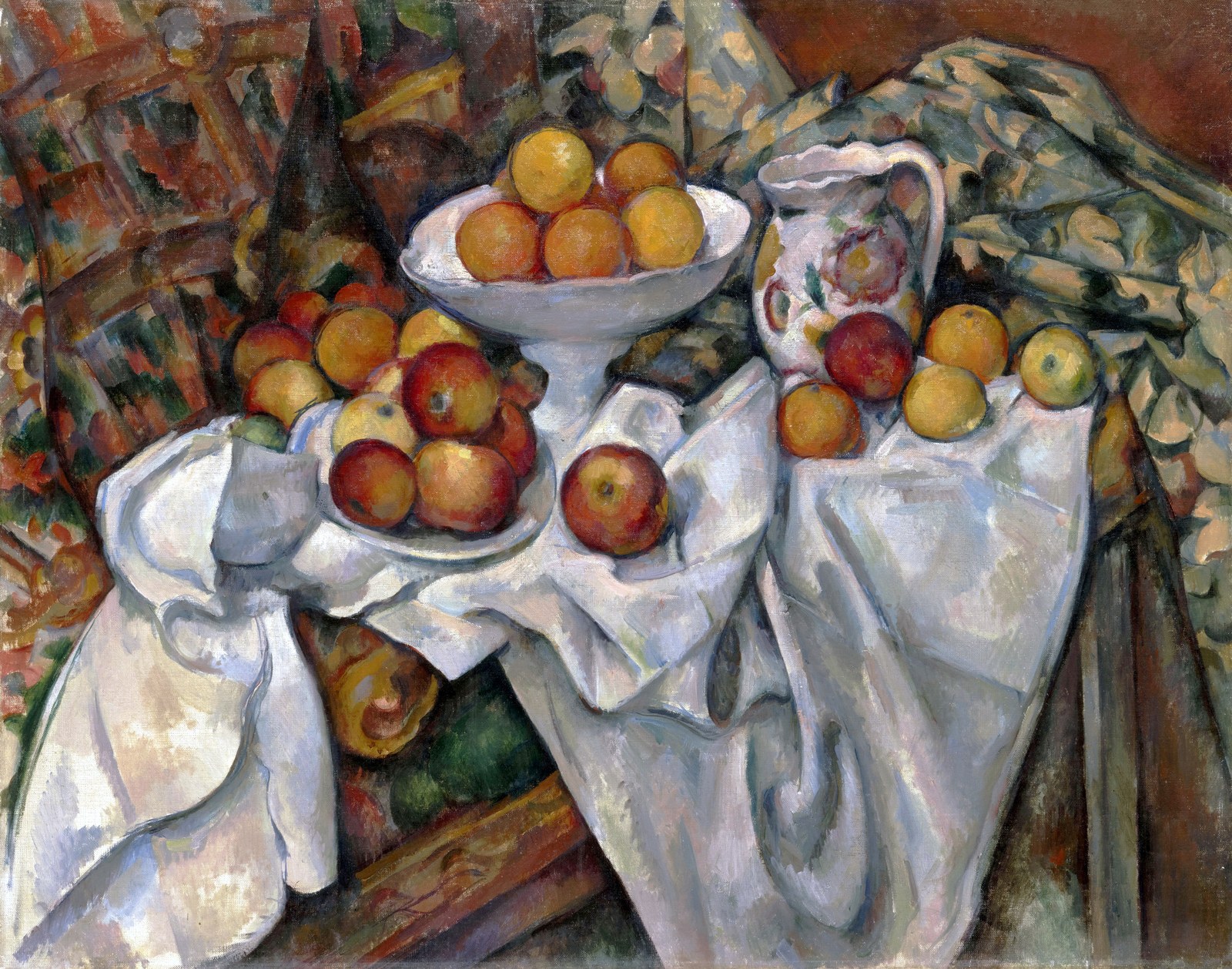
Elmalar ve Portakallar — Paul Cézanne

Elmalar ve Portakallar

Paul Cézanne

“Apples and Oranges” was painted around 1899 in the Paris studio of [[artist:1290|Paul Cézanne]]. He arranged the objects for a very long time – cloths, jugs, a fruit bowl and fruit – before he began to paint. In “Apples and Oranges” we see a white cloth gathered into folds lik…

Hikâyeyi oku →
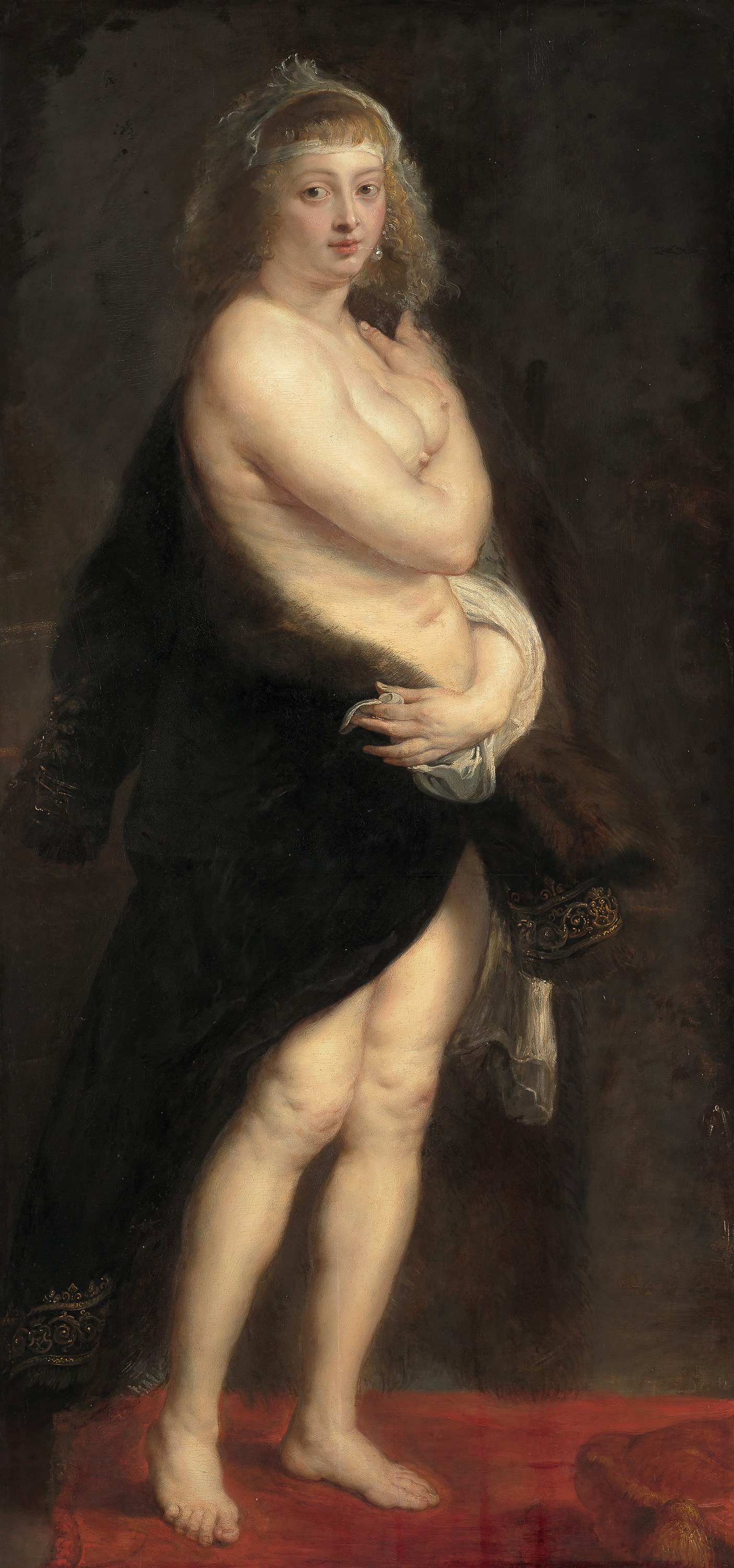
Kürklü Helena Fourment — Peter Paul Rubens

Kürklü Helena Fourment

Peter Paul Rubens

“Helena Fourment in a Fur Wrap” was painted around 1636–1638. [[artist:2476|Peter Paul Rubens]] painted his young wife Helena, wrapped only in a dark fur cloak. The artist himself calls it “The Little Fur” in his will. In “Helena Fourment in a Fur Wrap” Helena stands upright on…

Hikâyeyi oku →
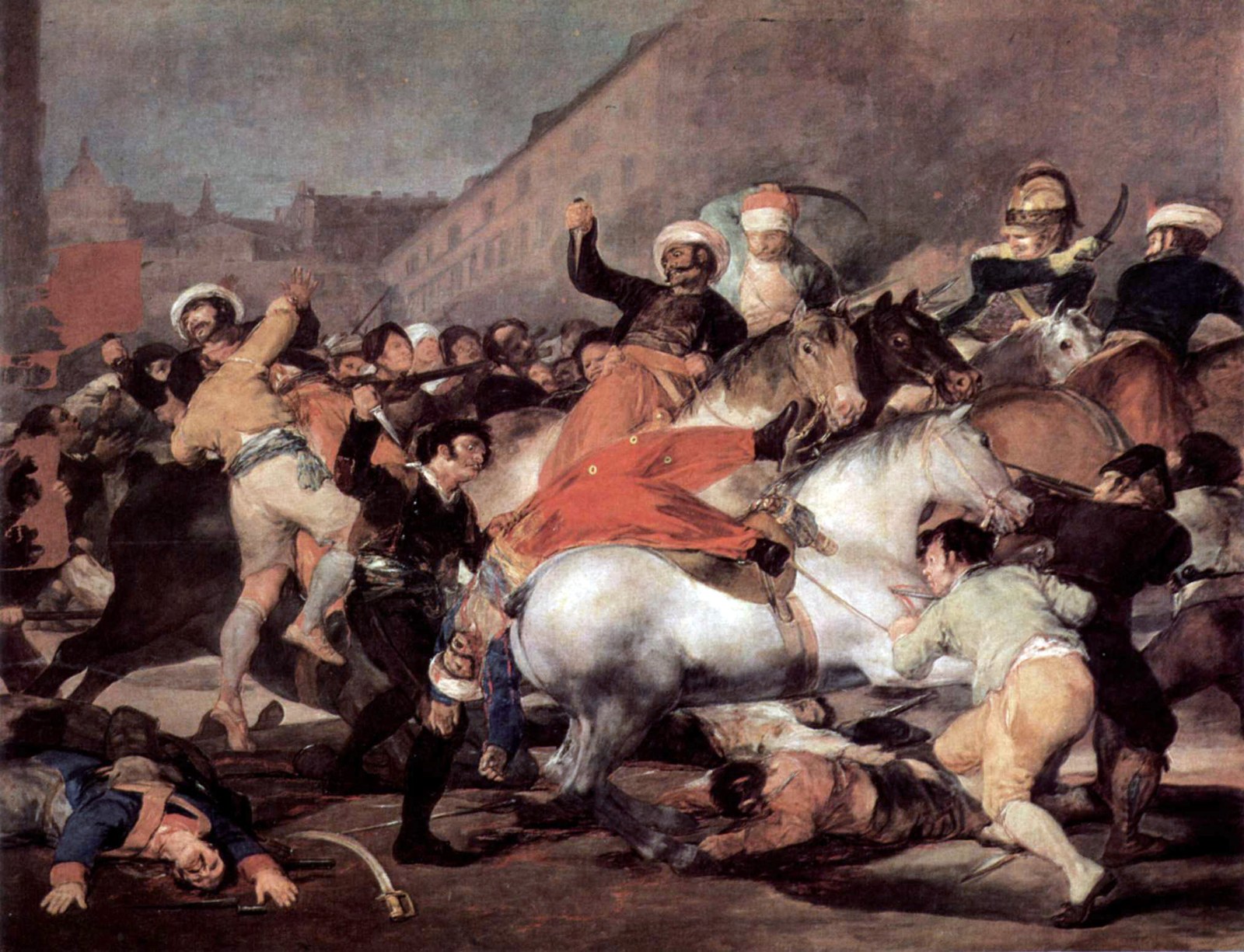
2 Mayıs 1808 — Francisco Goya

2 Mayıs 1808

Francisco Goya

“The Second of May 1808” was painted in 1814. The government commissioned two paintings from [[artist:521|Francisco de Goya]] of the uprising of the people of Madrid against Napoleon's army. In “The Second of May 1808” a battle rages in a street in the centre of Madrid. Horseme…

Hikâyeyi oku →
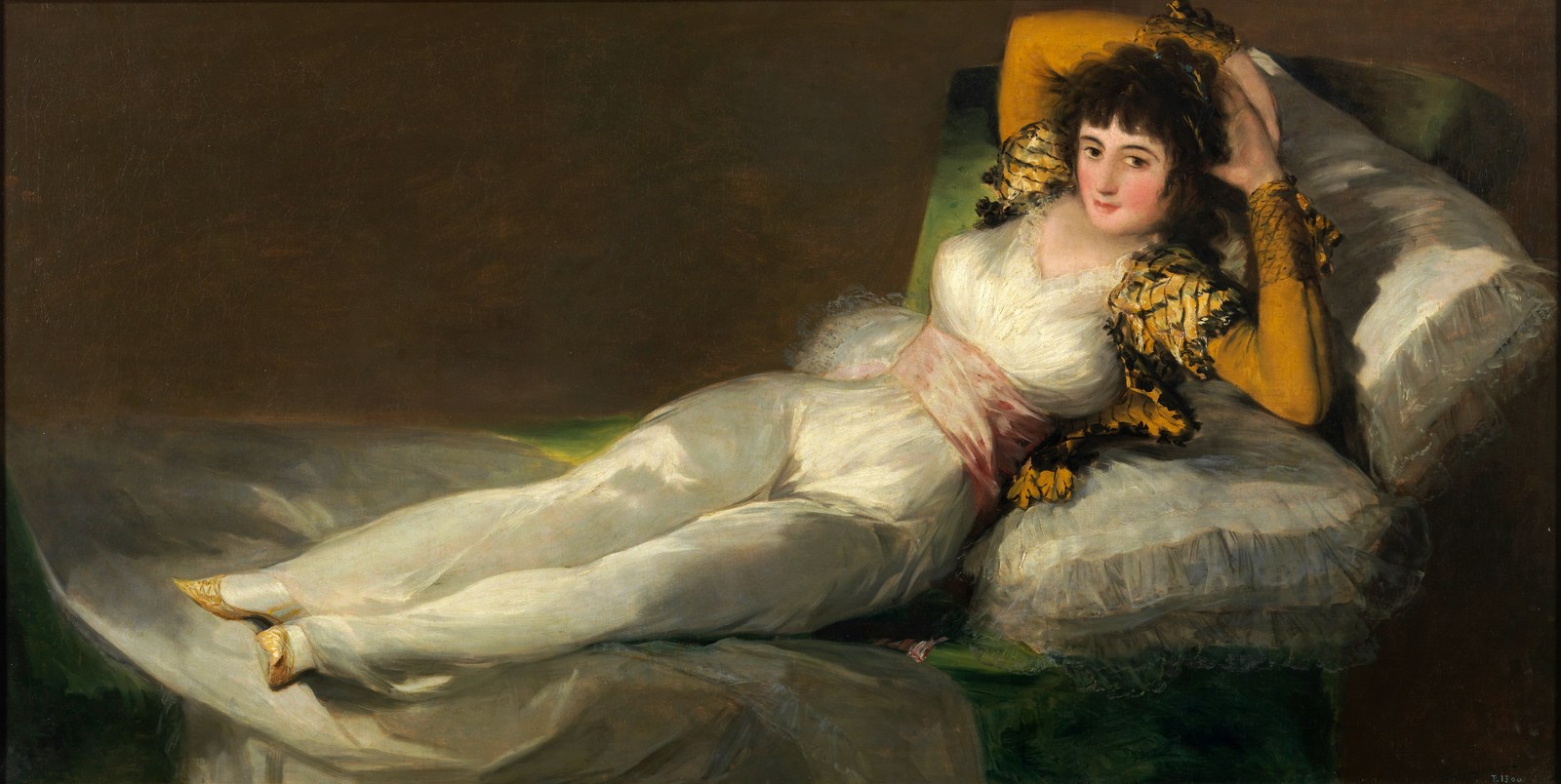
Giyinik Maja — Francisco Goya

Giyinik Maja

Francisco Goya

“The Clothed Maja” was painted between 1800 and 1807. It is the pair of another painting by [[artist:521|Francisco de Goya]], in which the same woman is nude. In “The Clothed Maja” a young woman lies on a green couch with white cushions. Her hands are behind her head, and she l…

Hikâyeyi oku →
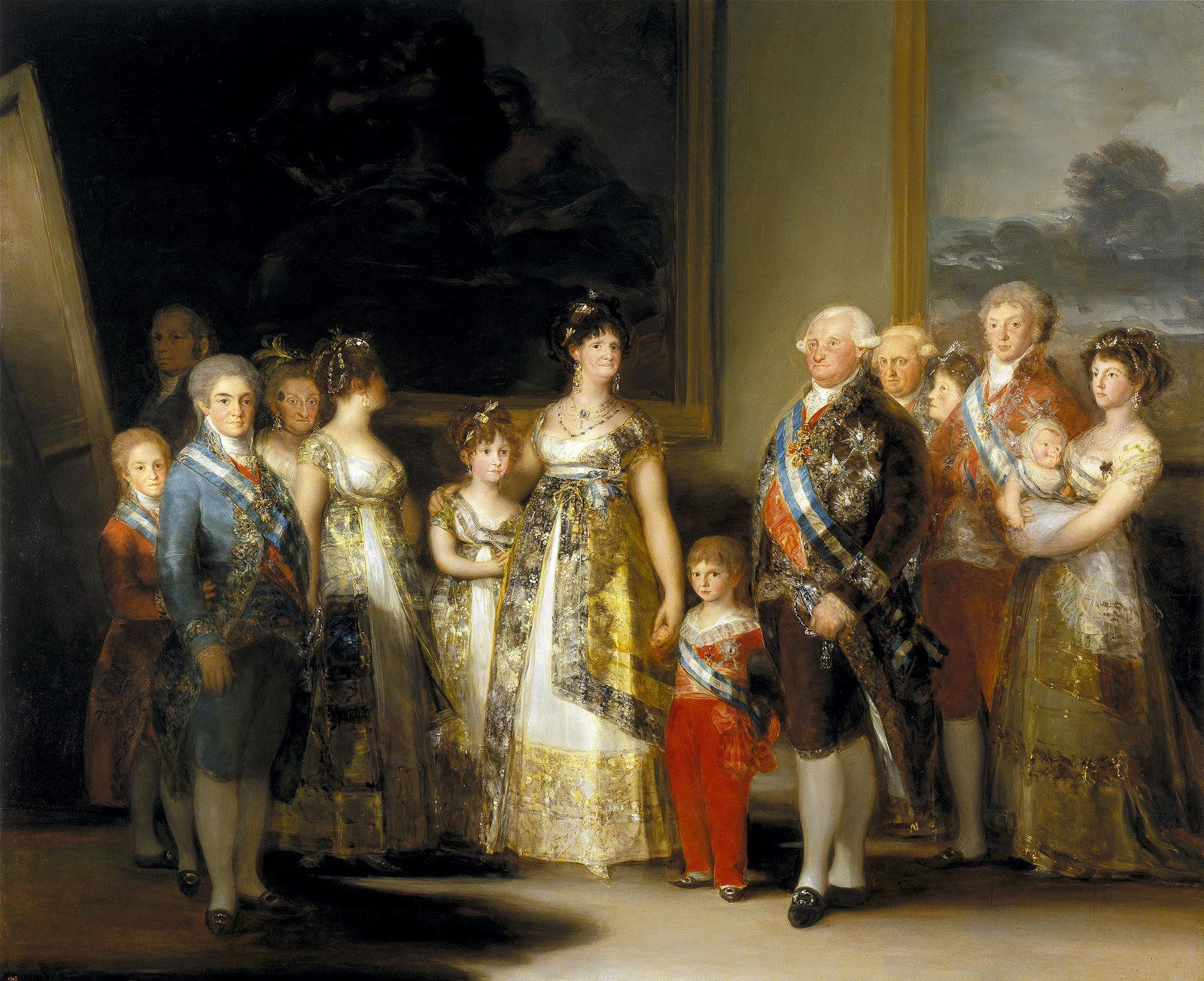
IV. Carlos'un Ailesi — Francisco Goya

IV. Carlos'un Ailesi

Francisco Goya

“The Family of Charles IV” was painted in 1800–1801. Shortly before, [[artist:521|Francisco de Goya]] had been appointed First Court Painter. In “The Family of Charles IV” the king, the queen and their relatives stand in a row, dressed in silk, gold and orders. In the centre is…

Hikâyeyi oku →
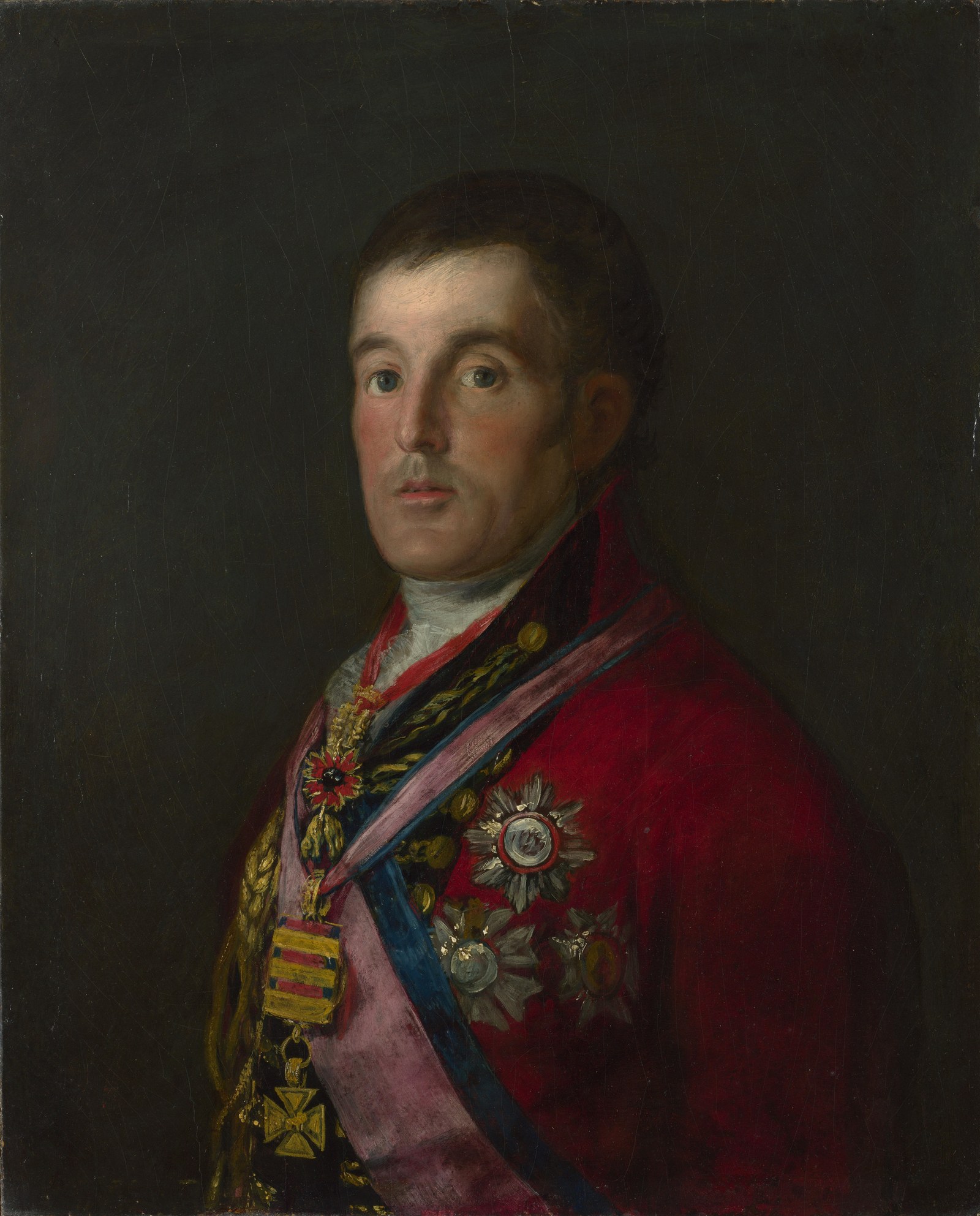
Wellington Dükü — Francisco Goya

Wellington Dükü

Francisco Goya

“The Duke of Wellington” was painted in 1812–1814. The British general Wellington entered Madrid in 1812 after defeating the French army. [[artist:521|Francisco de Goya]] painted his portrait and later changed it. In “The Duke of Wellington” we see the general to the waist, in …

Hikâyeyi oku →
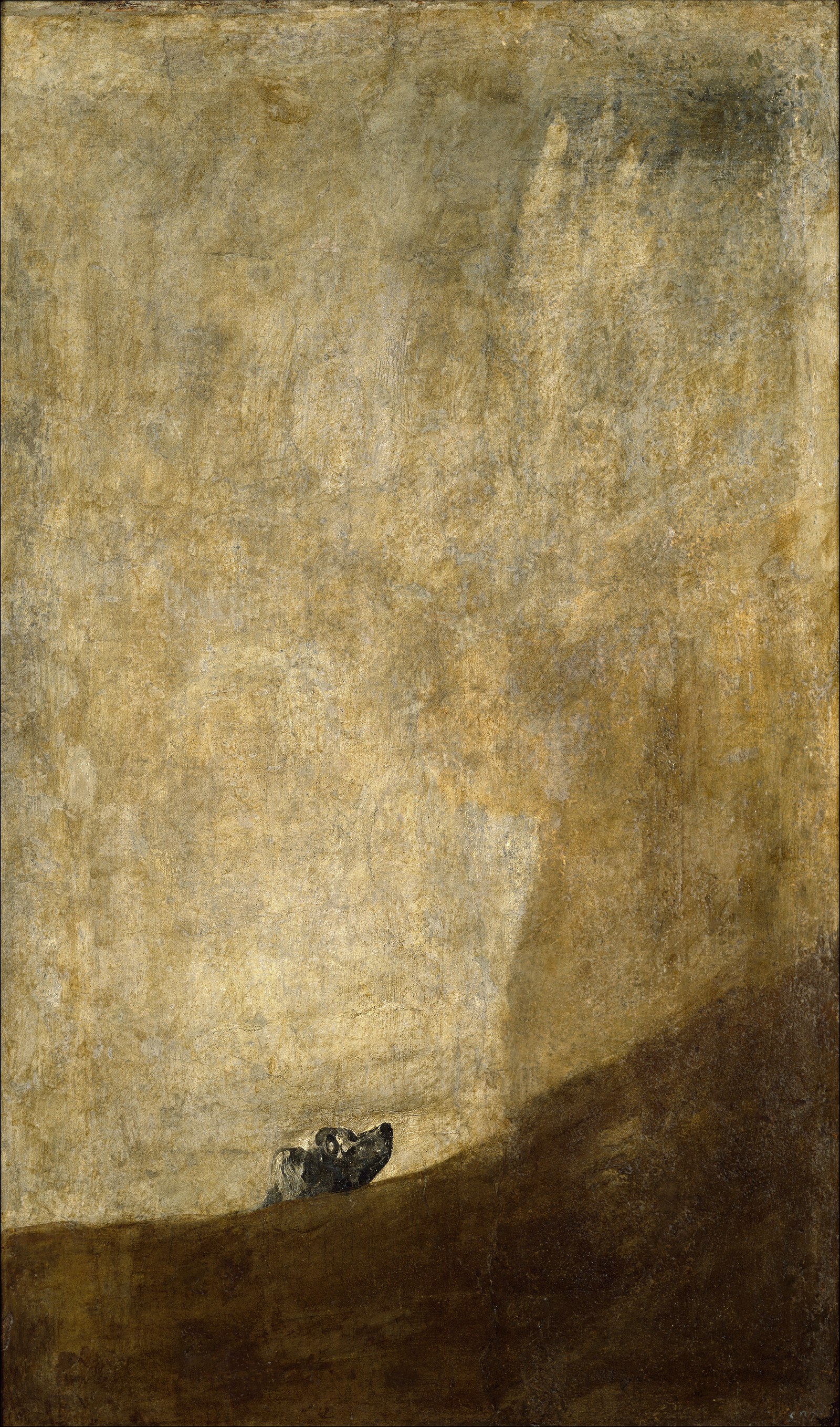
Köpek — Francisco Goya

Köpek

Francisco Goya

“The Dog” was painted around 1819–1823. It is one of the 14 “Black Paintings” that [[artist:521|Francisco de Goya]] painted directly on the walls of his house near Madrid. In “The Dog” almost everything is empty. Below there is a dark mass like sand or earth. Only the head of a…

Hikâyeyi oku →
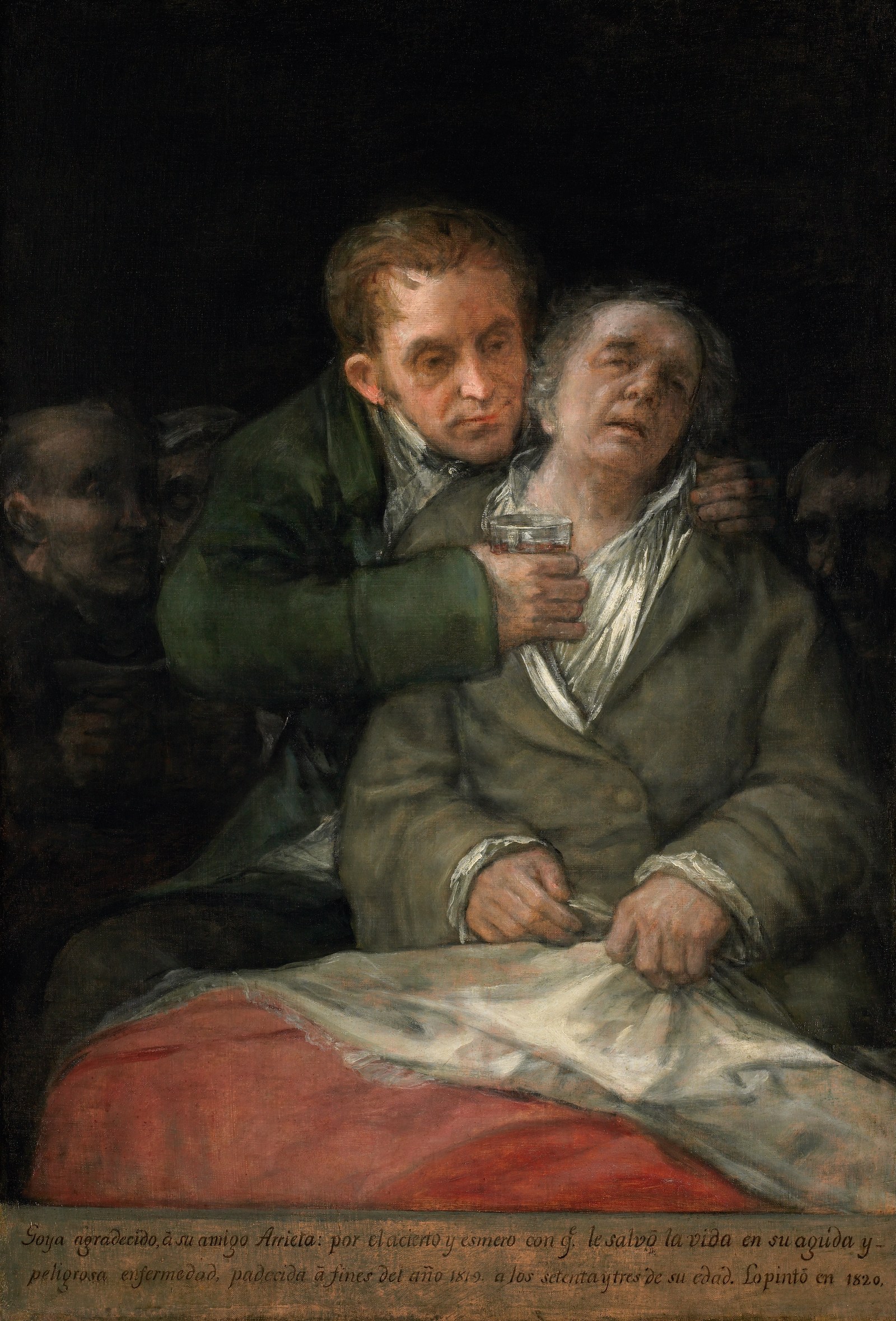
Doktor Arrieta ile Otoportre — Francisco Goya

Doktor Arrieta ile Otoportre

Francisco Goya

“Self-Portrait with Dr Arrieta” was painted in 1820. At the end of 1819 [[artist:521|Francisco de Goya]] fell seriously ill, and his friend, the doctor Eugenio Arrieta, saved him. In “Self-Portrait with Dr Arrieta” Goya sits in bed, pale and exhausted, clutching the sheet. Behi…

Hikâyeyi oku →
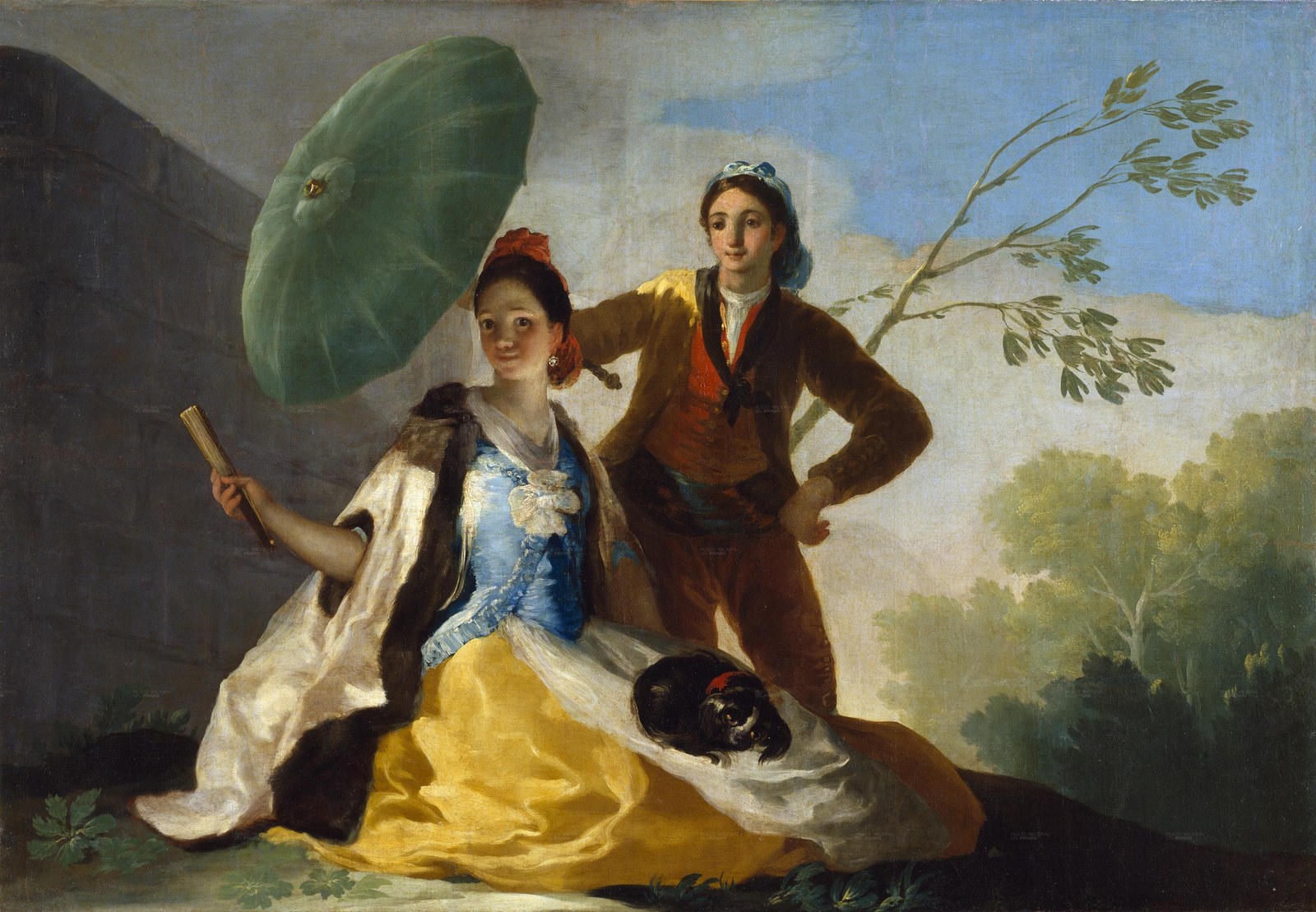
Şemsiye — Francisco Goya

Şemsiye

Francisco Goya

“The Parasol” was painted around 1777. It is a cartoon by [[artist:521|Francisco de Goya]] – a large painting from which the weavers made a tapestry for the dining room of the Prince and Princess of Asturias in the palace of El Pardo. In “The Parasol” a young lady sits on the g…

Hikâyeyi oku →
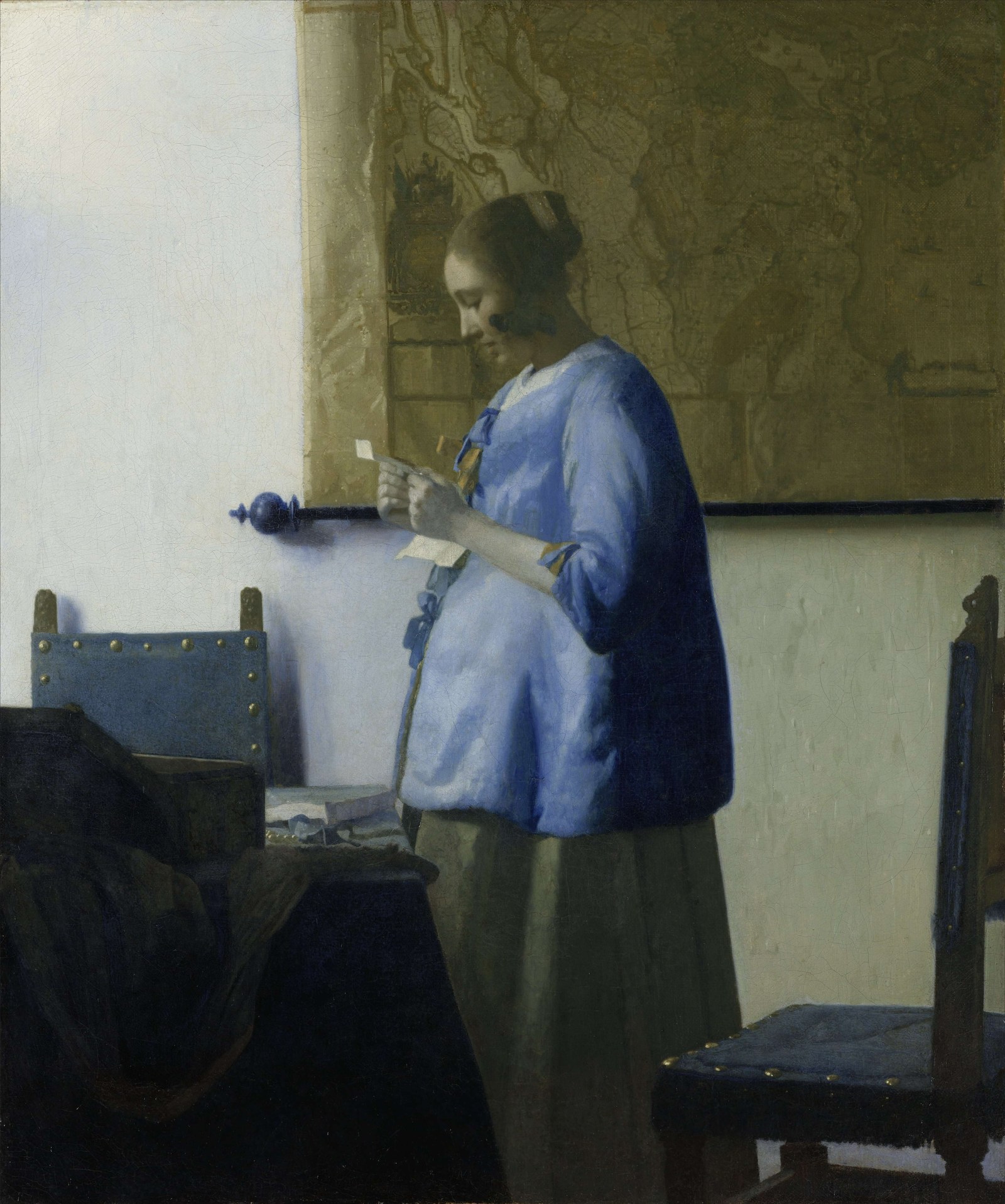
Mavili Mektup Okuyan Kadın — Johannes Vermeer

Mavili Mektup Okuyan Kadın

Johannes Vermeer

“Woman in Blue Reading a Letter” was painted around 1663 in Delft. [[artist:1786|Johannes Vermeer]] once again painted a young woman alone in a room with a letter in her hands. But this time everything is immersed in blue. In “Woman in Blue Reading a Letter” the woman stands in…

Hikâyeyi oku →