Edgar Degas
French, 1834–1917, Impressionism
Life story
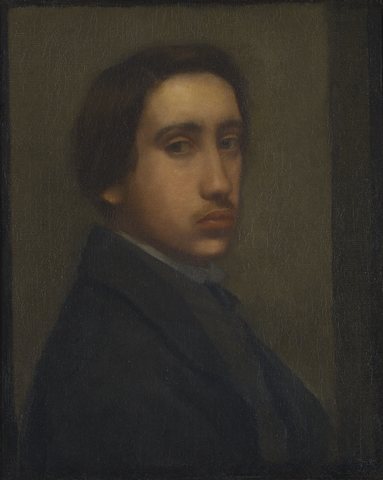
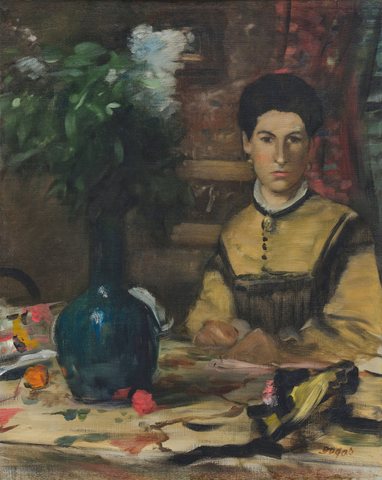
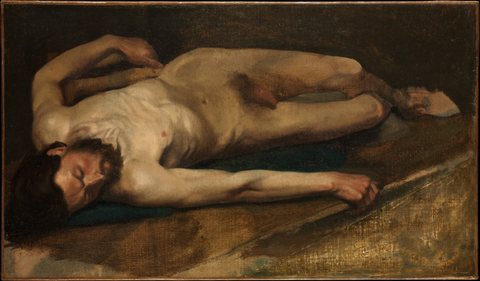
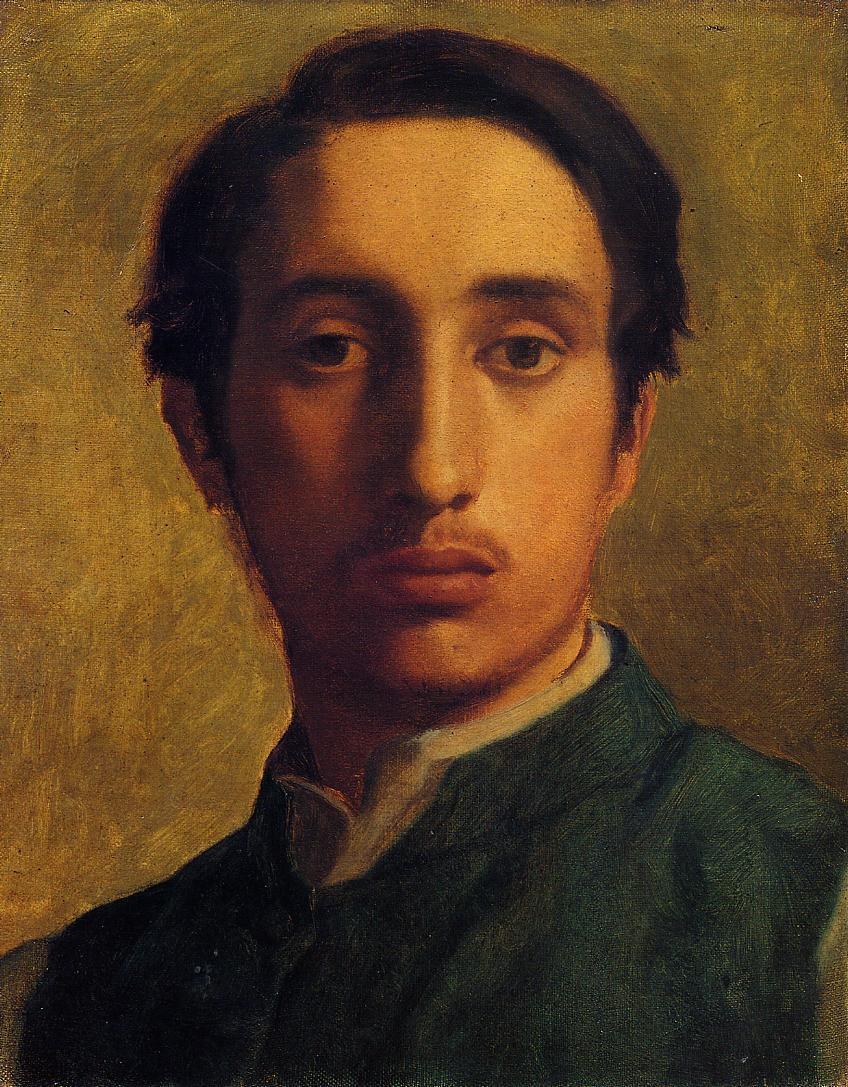
Edgar Degas was born on 19 July 1834 in Paris, into a family of bankers. His father loved music and art and took his son to museums and concerts. His mother was born in New Orleans, in America, and died when the boy was 13 years old. After school he began to study law, but soon gave it up. In 1853 he registered as a copyist at the Louvre and spent whole days there drawing the paintings of the old masters.
In 1855 the young Edgar Degas met the famous Jean Auguste Dominique Ingres. The old master told him to draw lines, many lines, from memory and from nature. Degas remembered this advice all his life. That same year he entered the School of Fine Arts, but soon left for Italy, where he spent three years in Naples, Rome and Florence, copying the Renaissance masters.
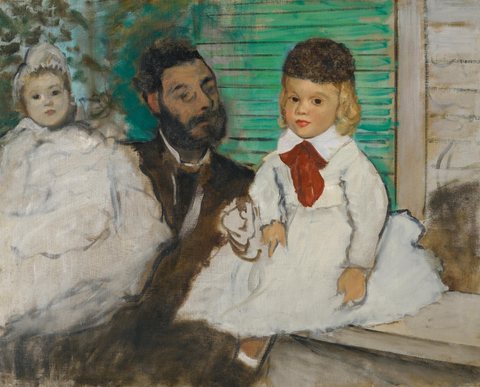
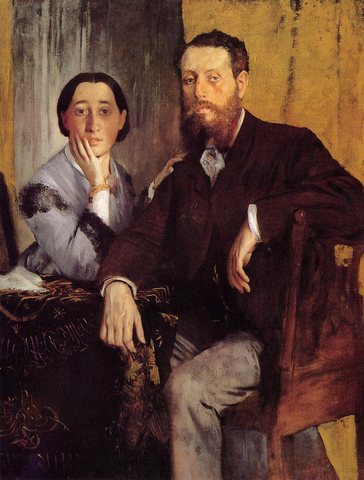
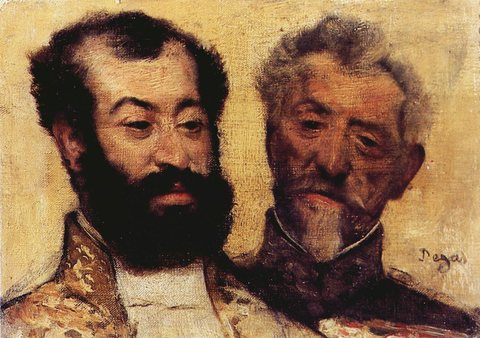
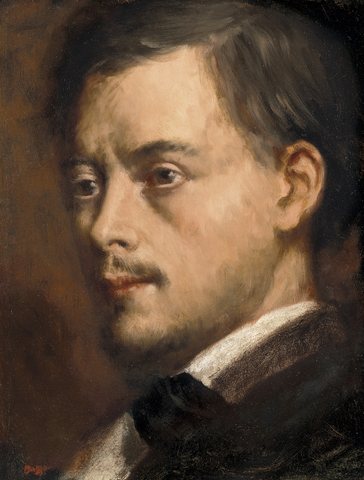
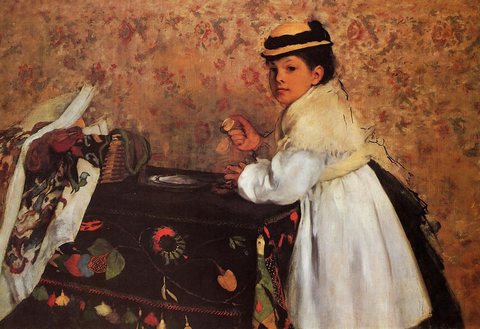
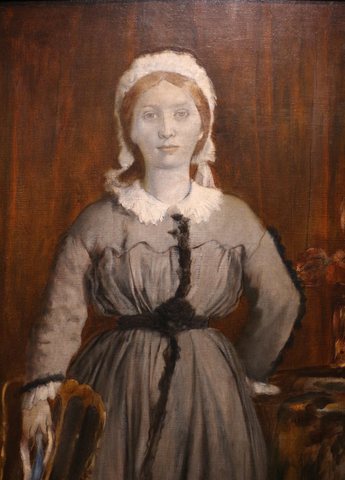
In Florence he stayed with his aunt Laura and began a large painting of her family: The Bellelli Family. Back in Paris he painted historical scenes and portraits of people close to him. In 1862, while copying a painting in the Louvre, he met Edouard Manet. The two became friends and rivals, and Manet brought him into the circle of young artists who gathered in the cafés of Paris.
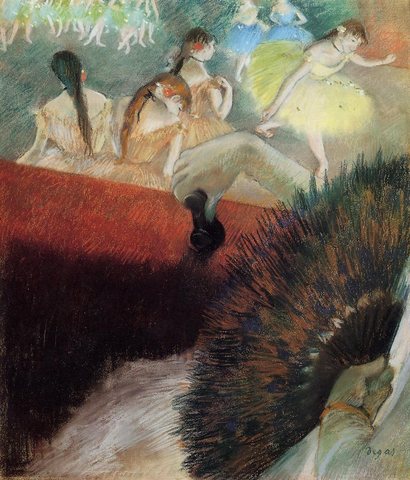
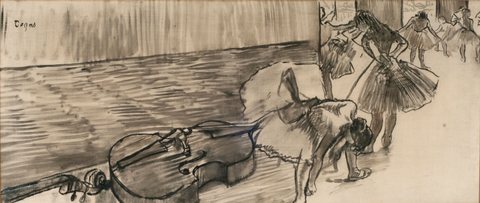
In 1870, during the war with Prussia, Edgar Degas served in the artillery. It was then that he discovered that his eyes were weak and could not bear strong light. This would trouble him for the rest of his life. He began to paint something new: the orchestra and the ballet of the Paris Opera. In The Orchestra at the Opera the musicians are in front, and the dancers are only coloured skirts and legs above them.
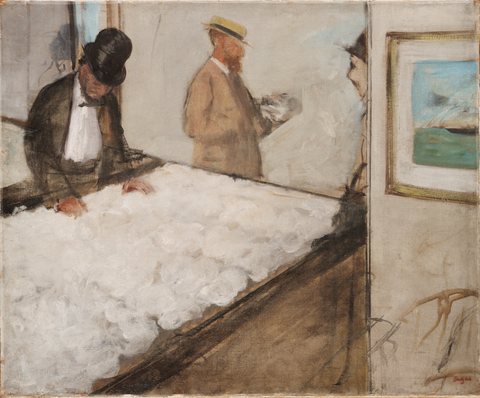
In 1872 Degas travelled to New Orleans, his mother's home town, to visit his brothers and his uncle. There he painted A Cotton Office in New Orleans, a painting that a little later became his first work bought by a museum. Soon after his return, in 1874, his father died, and it turned out that the family had large debts. Edgar Degas gave a large part of his money to pay them off, and from then on he lived from his paintings.
In 1874 Edgar Degas was among the founders of the first Impressionist exhibition together with Claude Monet, Pierre-Auguste Renoir and Camille Pissarro. He took part in seven of their eight exhibitions, but he did not like the word “Impressionist” and called himself a realist. He did not paint outdoors but in the studio, from memory and from drawings. He also invited the American Mary Cassatt into the group, and she became a close friend.
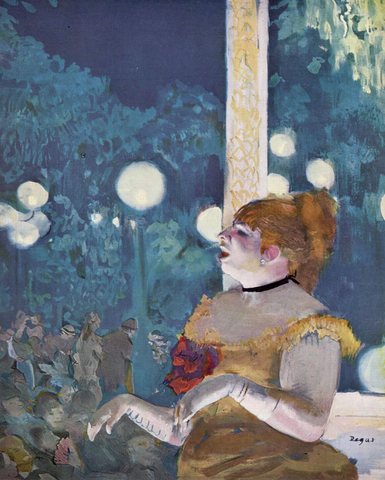
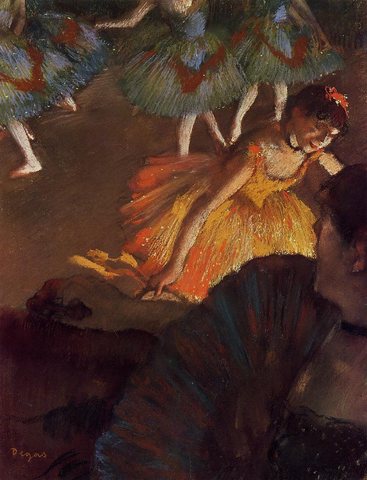
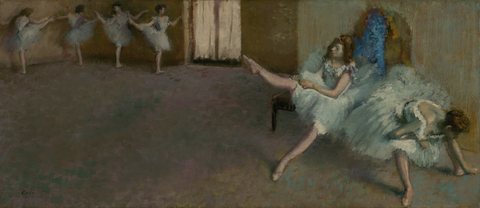
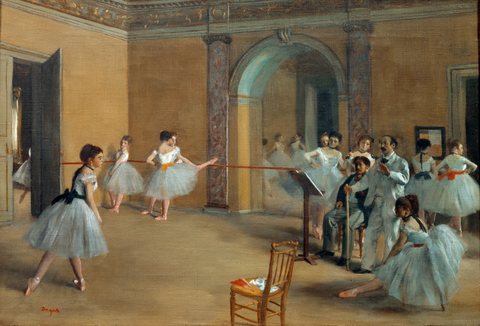
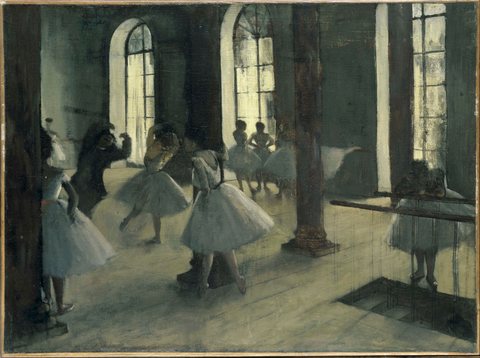
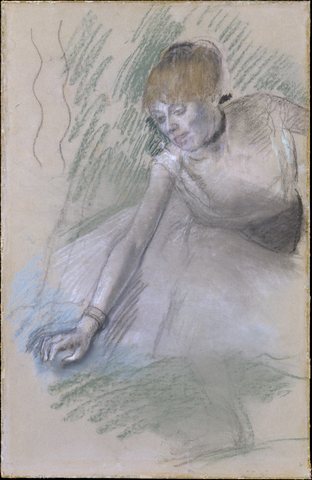
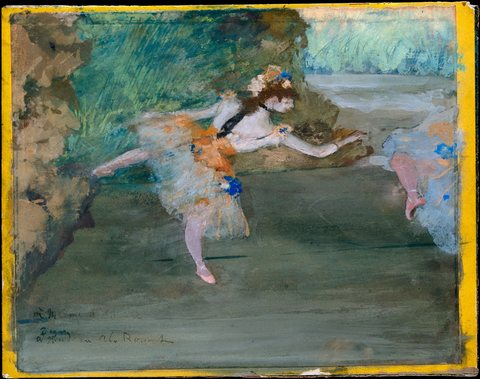
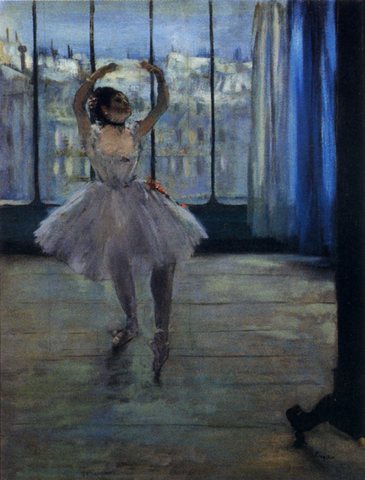
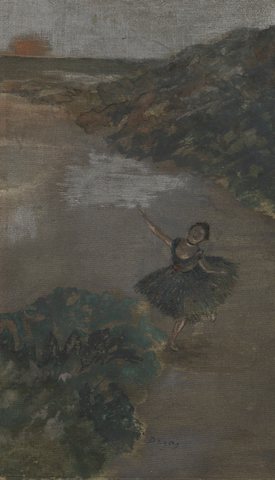
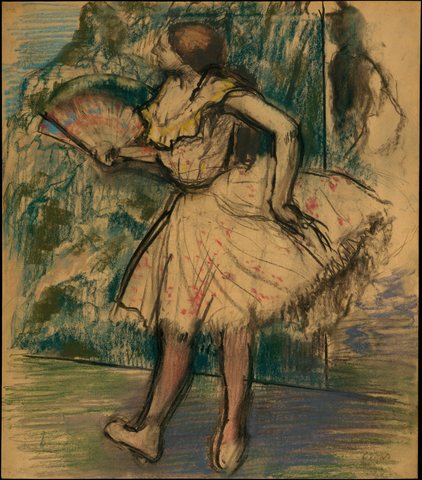
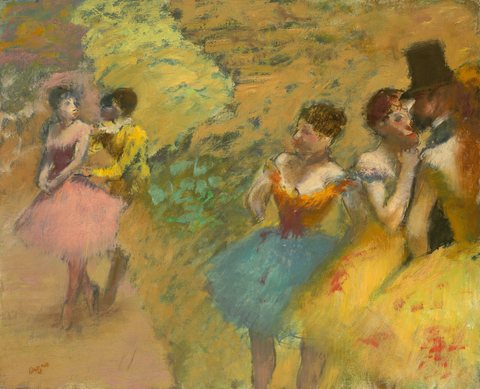
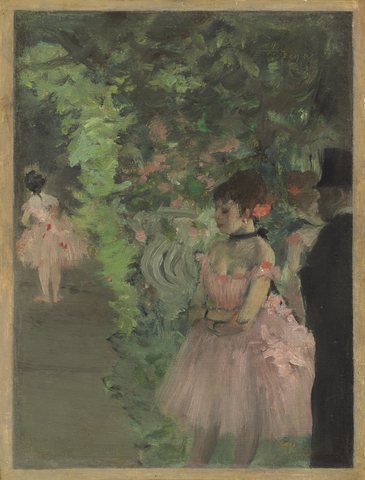
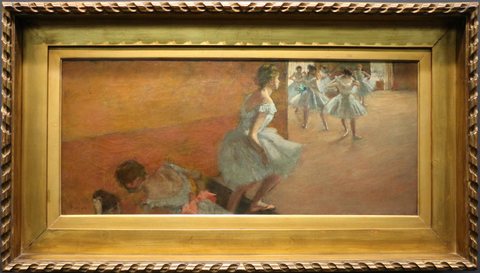
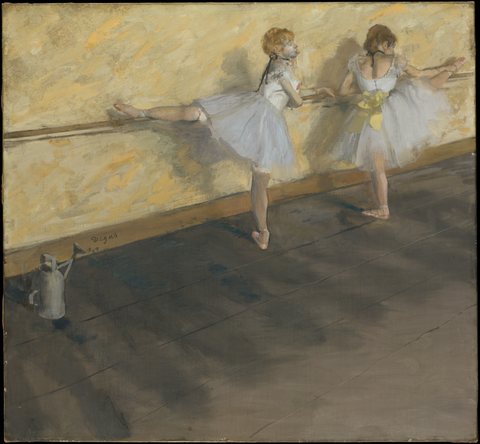
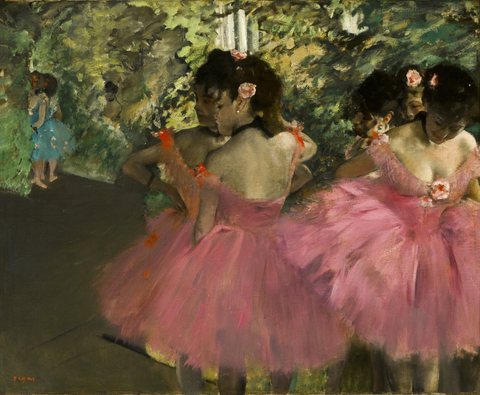
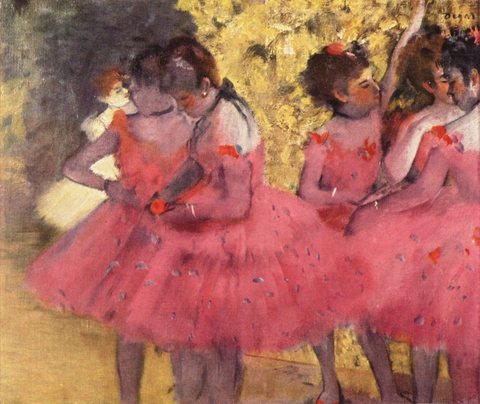
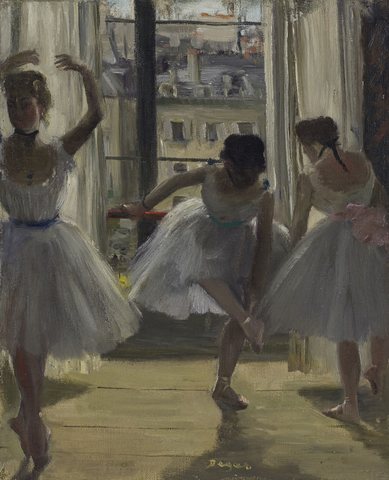
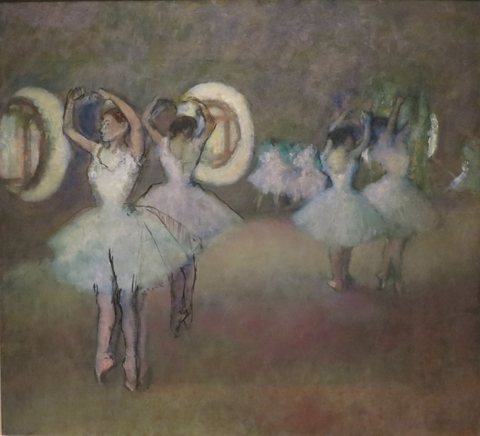
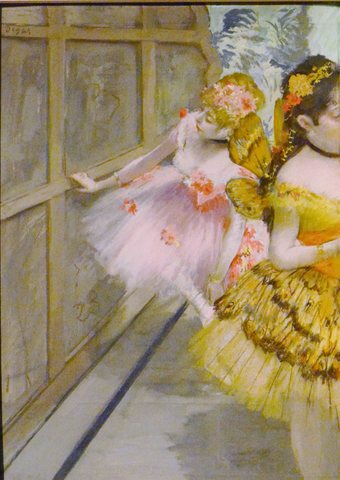
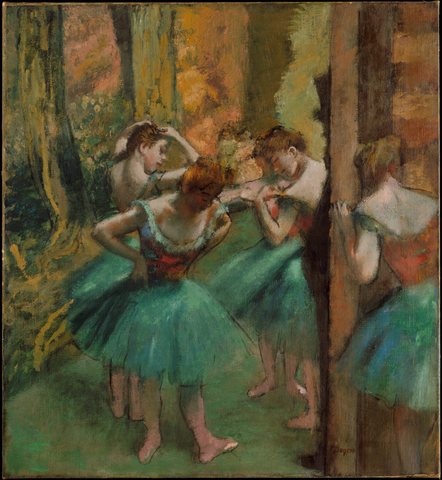
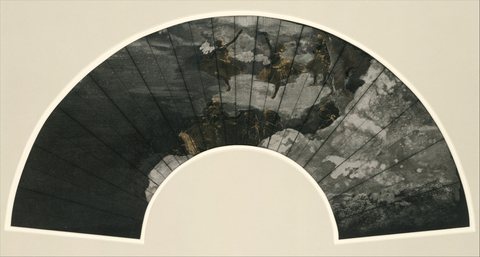
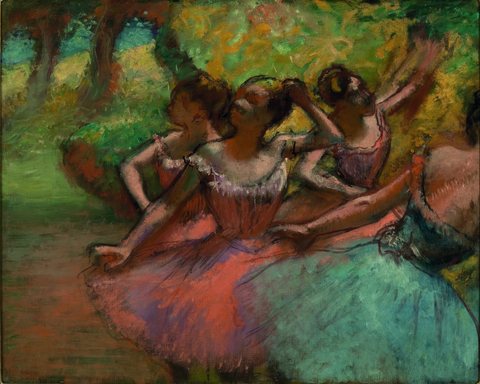
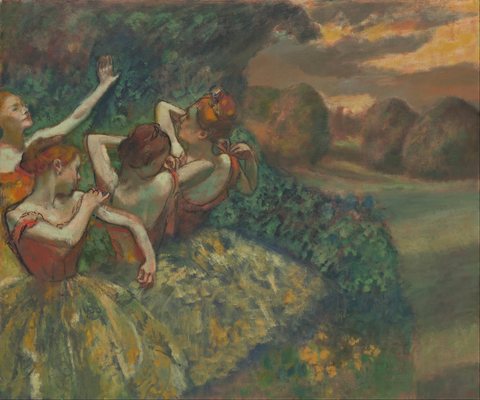
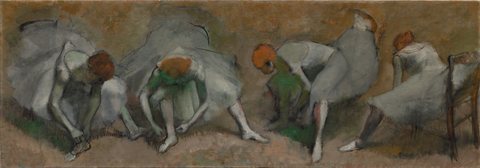
Ballet was his greatest subject. Degas painted dancers on stage, in rehearsal, at rest, while they stretched, yawned or adjusted their shoes: more than a thousand works. The Ballet Class shows the old teacher surrounded by girls waiting for their turn. He also painted the streets of Paris, Place de la Concorde, the cafés, The Absinthe Drinker (L'Absinthe), and the circus, Miss La La at the Cirque Fernando.
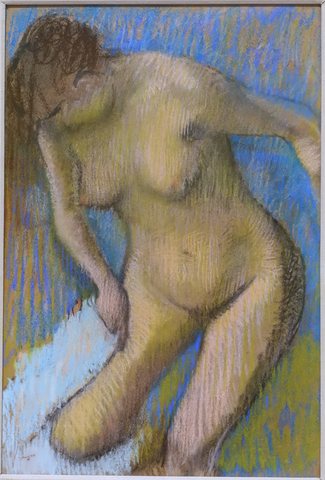
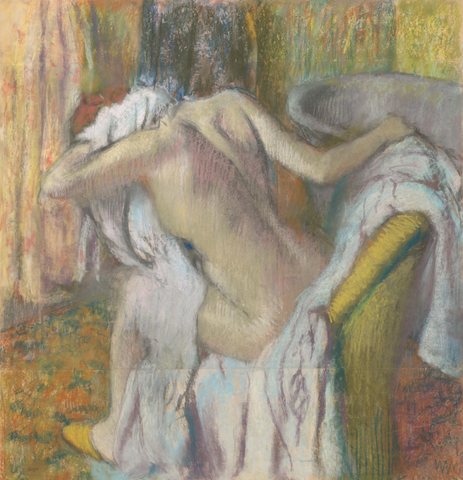
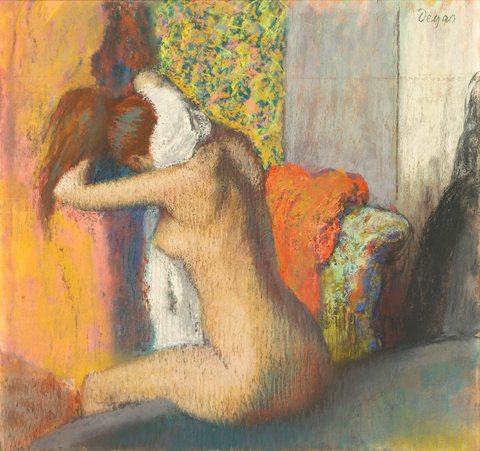
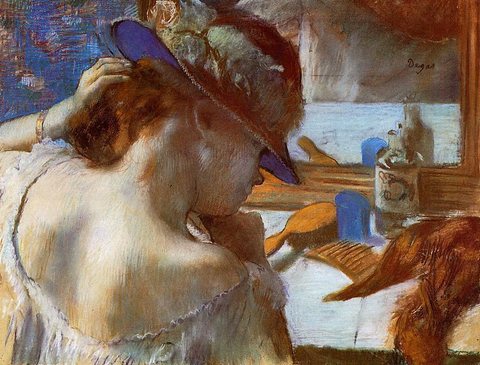
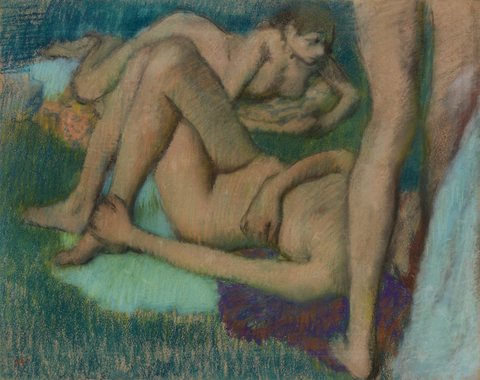
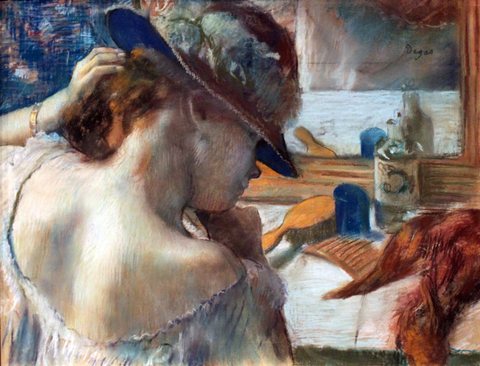
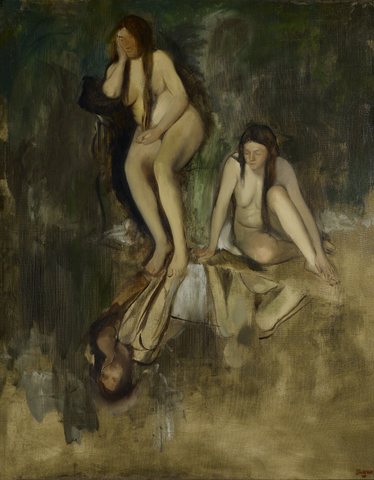
In 1881 Degas showed a wax sculpture of a little dancer dressed in a real tutu and with real hair. The public was shocked. More and more often he worked in pastel, which is quick and bright, and showed women bathing and combing their hair as if no one were watching them. The Tub is one of these pictures.
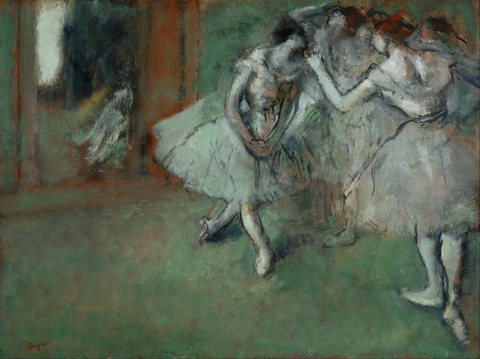
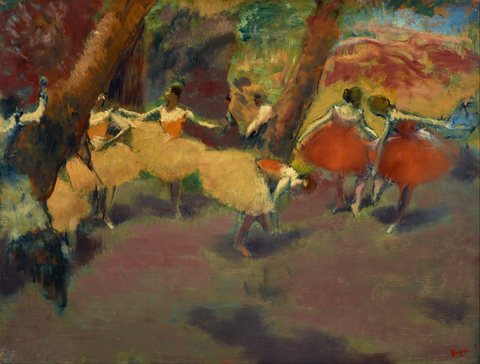
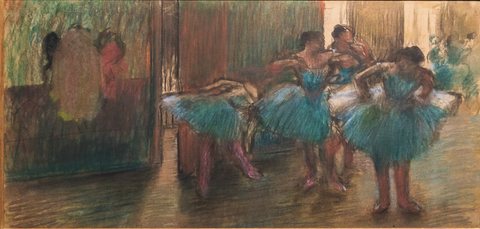
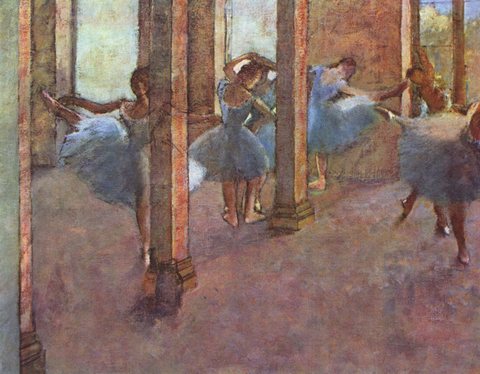
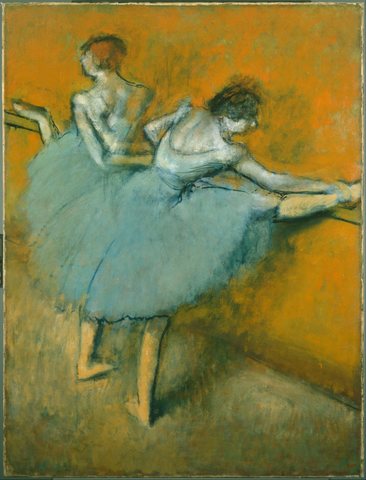
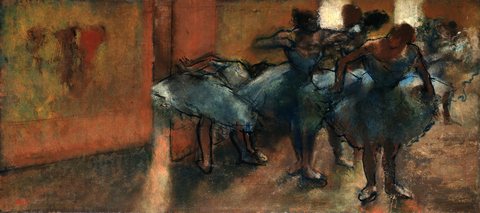
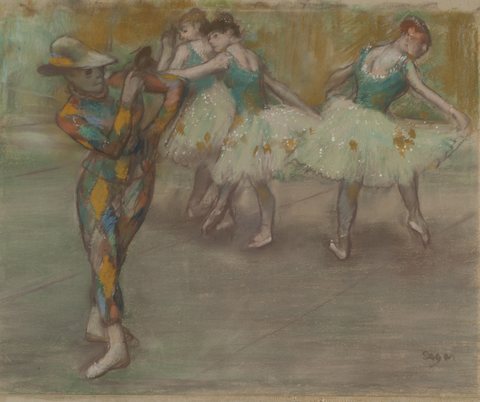
Over the years the eyesight of Edgar Degas grew weaker and weaker. He painted with broader movements and stronger colours, as in Blue Dancers. He bought paintings by his old friends and by younger artists such as Paul Gauguin, and at home he kept a whole collection of works by Ingres and Eugene Delacroix. His way of painting dancers and cafés inspired the young Henri de Toulouse-Lautrec.
Edgar Degas never married. He spent his last years almost blind and could no longer paint. He died on 27 September 1917 in Paris, at the age of 83. He asked that only one sentence be said at his funeral: that he had loved drawing very much.
Most famous works
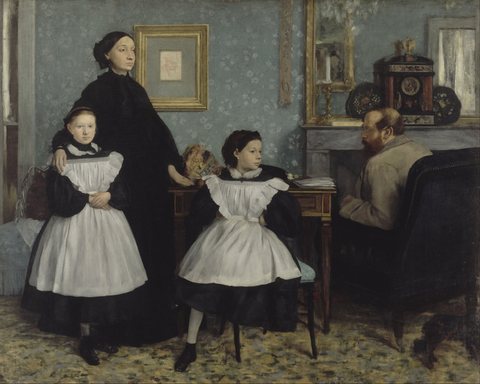 The Bellelli FamilyHis aunt's family in Florence, 1858–1867. Musée d'Orsay, Paris.
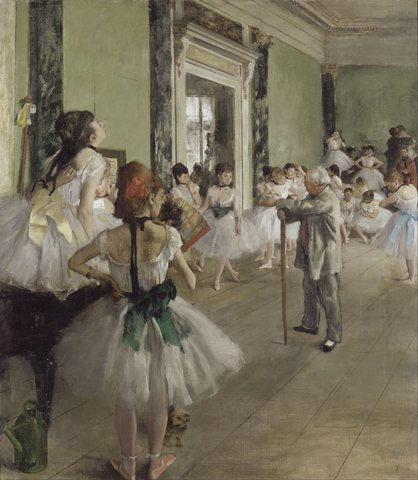 The Ballet ClassThe dancers wait for their turn before the old teacher, 1871–1874. Musée d'Orsay, Paris.
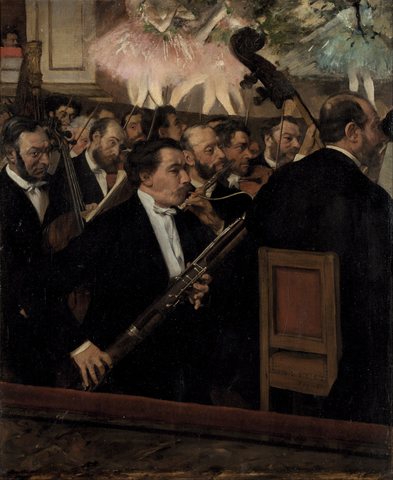 The Orchestra at the OperaThe orchestra in front, the ballet above, around 1870. Musée d'Orsay, Paris.
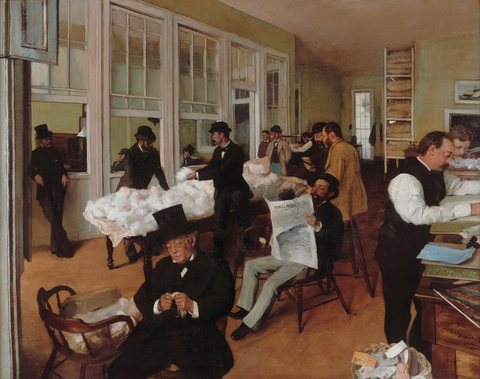 A Cotton Office in New OrleansThe family office in New Orleans, 1873. Musée des Beaux-Arts, Pau.
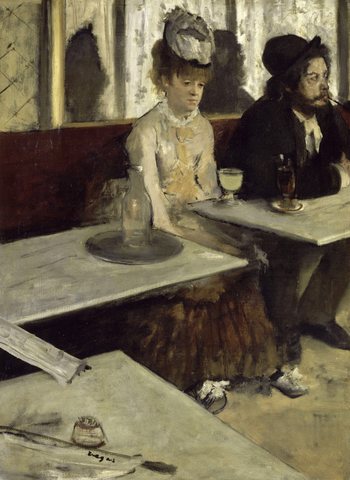 The Absinthe Drinker (L'Absinthe)Two people in a Paris café, 1875–1876. Musée d'Orsay, Paris.
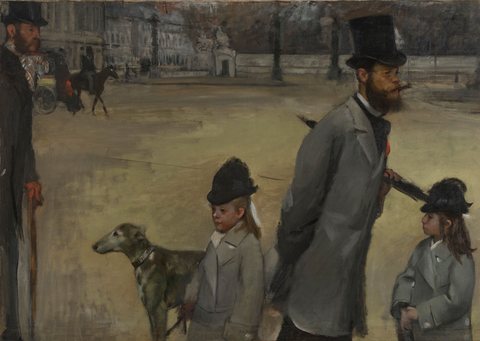 Place de la ConcordeA Paris street like a snapshot, 1875. Hermitage Museum, Saint Petersburg.
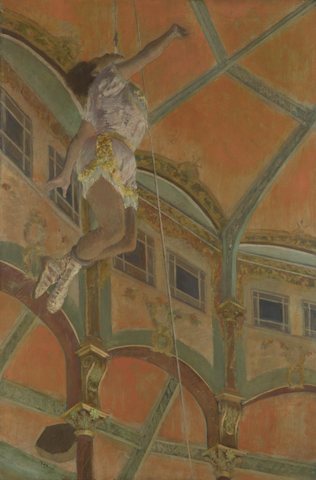 Miss La La at the Cirque FernandoAn acrobat beneath the circus dome, 1879. National Gallery, London.
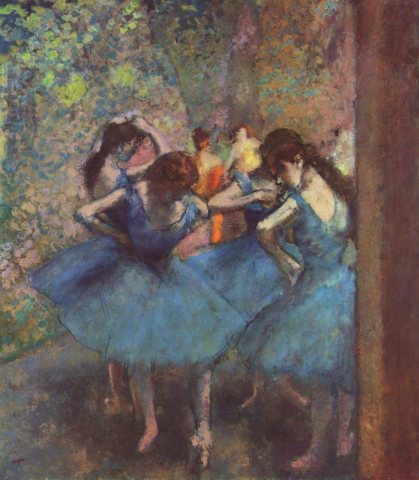 Blue DancersDancers in blue from the late years, around 1893. Musée d'Orsay, Paris.
Timeline
- 1834Born in Paris on 19 July
- 1855Meets Ingres; School of Fine Arts
- 1856Three years in Italy
- 1862Meets Manet at the Louvre
- 1870Serves in the war with Prussia
- 1872Journey to New Orleans
- 1874The first Impressionist exhibition
- 1881The wax sculpture of the little dancer
- 1886The last Impressionist exhibition
- 1917Dies in Paris on 27 September
Where to see them
Interesting facts
Edgar Degas made more than a thousand works with dancers: paintings, pastels and drawings.
Degas's mother was born in New Orleans, and in 1872–1873 he spent several months there.
“A Cotton Office in New Orleans” was his first painting bought by a museum, in 1878.
His wax sculpture of a 14-year-old dancer is dressed in a real tutu and has real hair.
Degas took part in seven of the eight Impressionist exhibitions, but preferred to be called a realist.