Português
1 online · 1 hoje
Pintura do dia →

página 4 — Pictavera

 
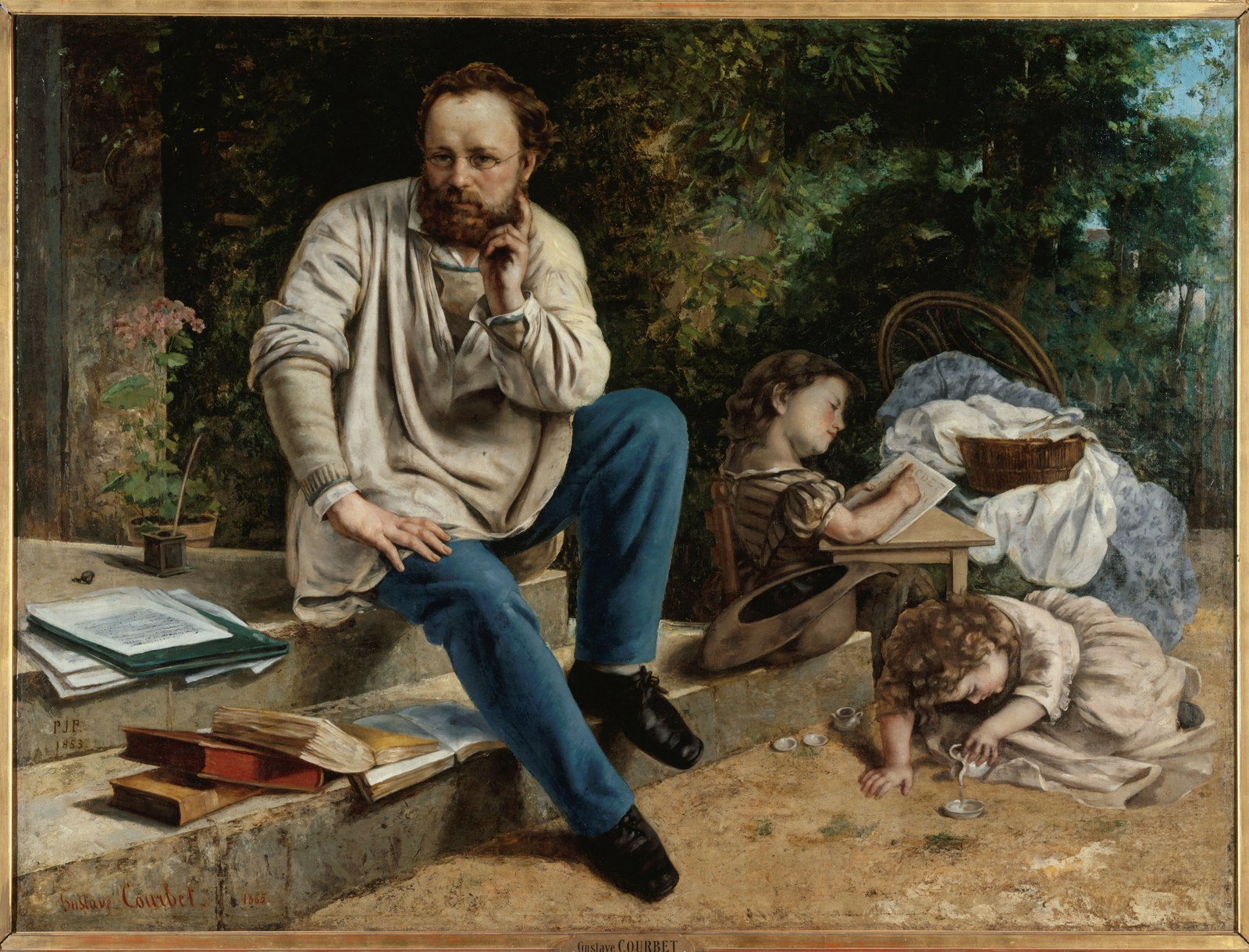
Proudhon e os Seus Filhos — Gustave Courbet

Proudhon e os Seus Filhos

Gustave Courbet

“Proudhon and His Children” was painted in 1865. The philosopher Pierre-Joseph Proudhon, a close friend of [[artist:713|Gustave Courbet]], died on 20 January that year. In “Proudhon and His Children” the philosopher sits on the stone steps in front of his home in Paris. He wear…

Ler a história →
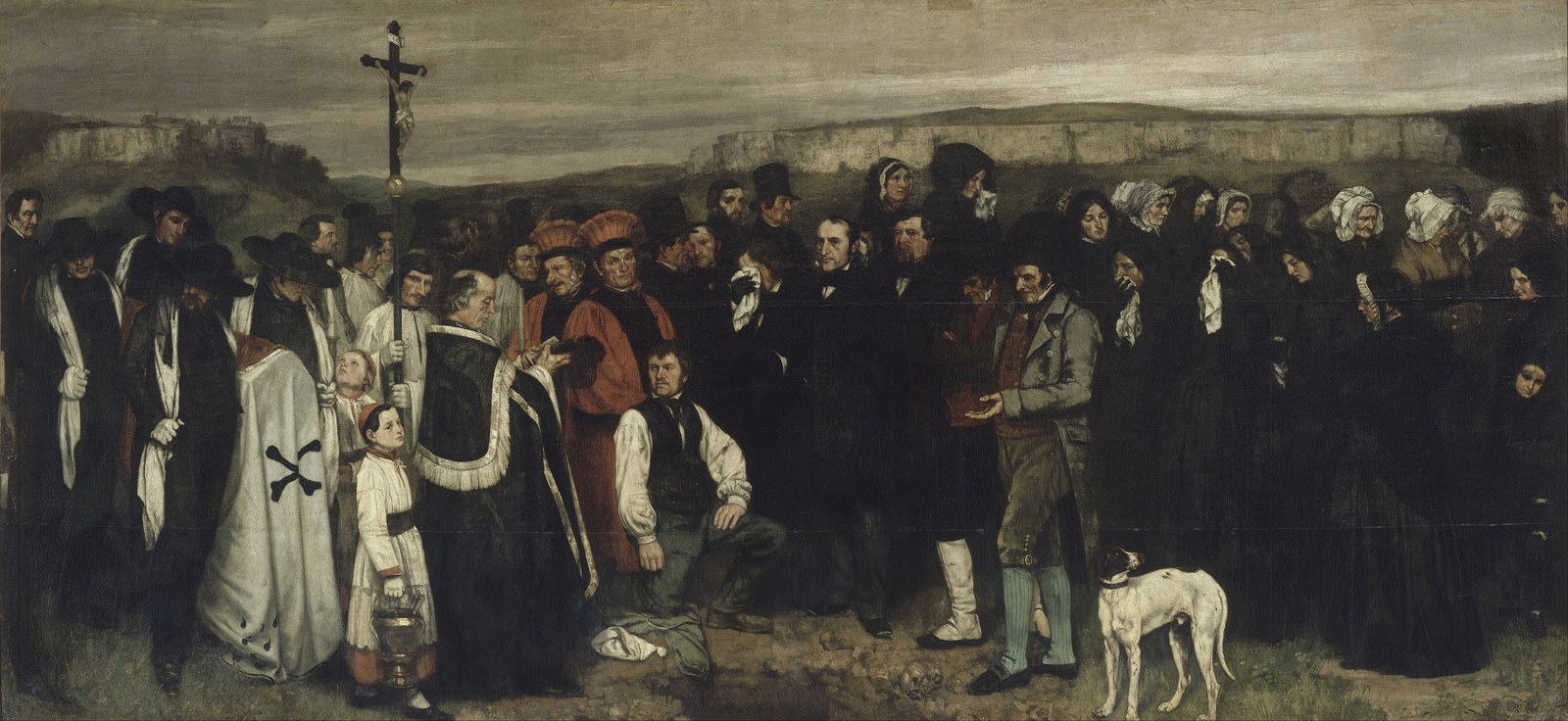
Um Enterro em Ornans — Gustave Courbet

Um Enterro em Ornans

Gustave Courbet

“A Burial at Ornans” was painted in 1849–1850. It shows the funeral of the great-uncle of [[artist:713|Gustave Courbet]] in his home town of Ornans in September 1848. In “A Burial at Ornans” dozens of people stand in a long row by the open grave. A priest reads a prayer, and ne…

Ler a história →
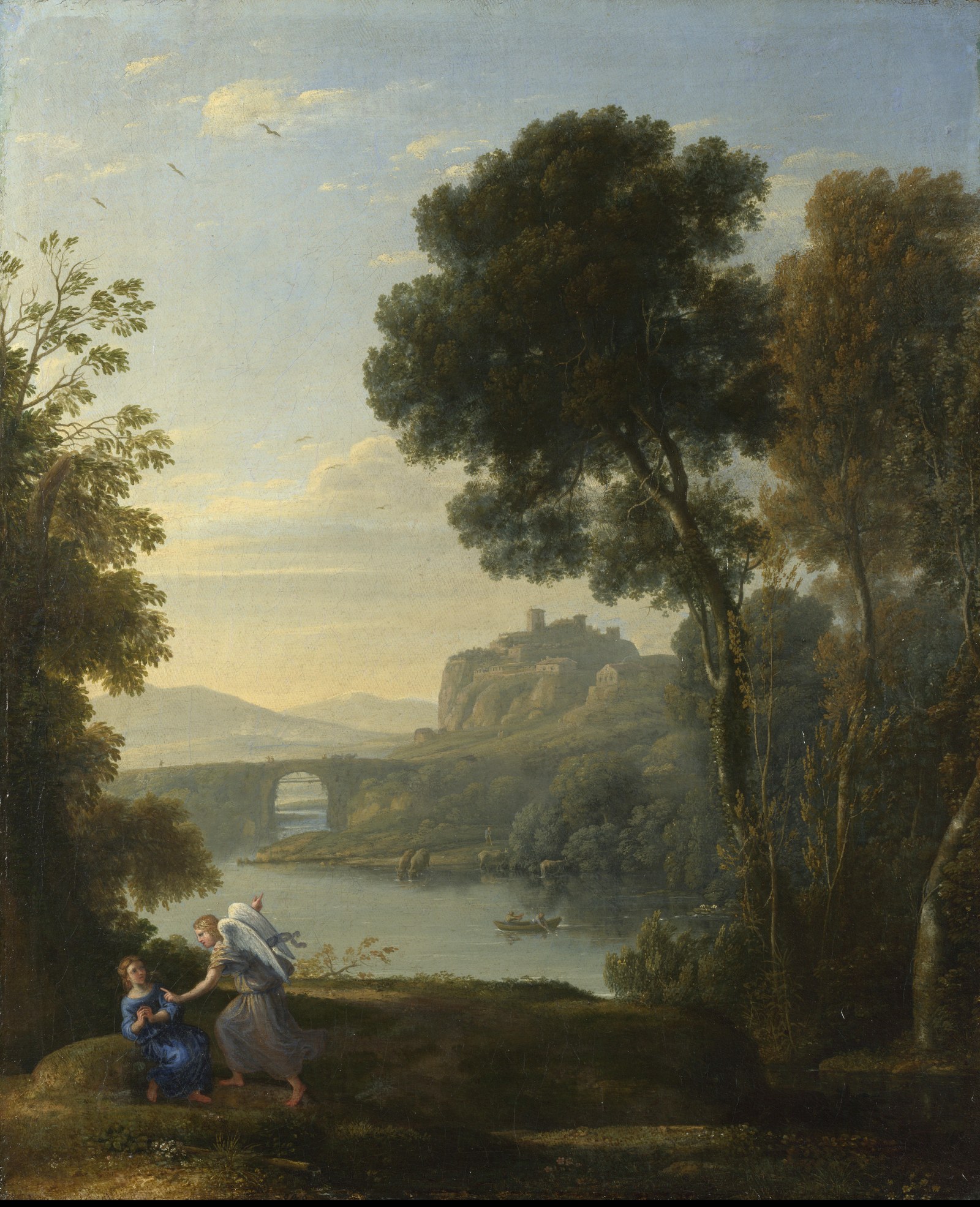
Paisagem com Agar e o Anjo — Claude Lorrain

Paisagem com Agar e o Anjo

Claude Lorrain

“Landscape with Hagar and the Angel” was painted in 1646. It is a small picture, but it has a large place in the history of English art. [[artist:2048|Claude Lorrain]] painted a biblical scene in a calm Italian landscape. In “Landscape with Hagar and the Angel” in the foregroun…

Ler a história →
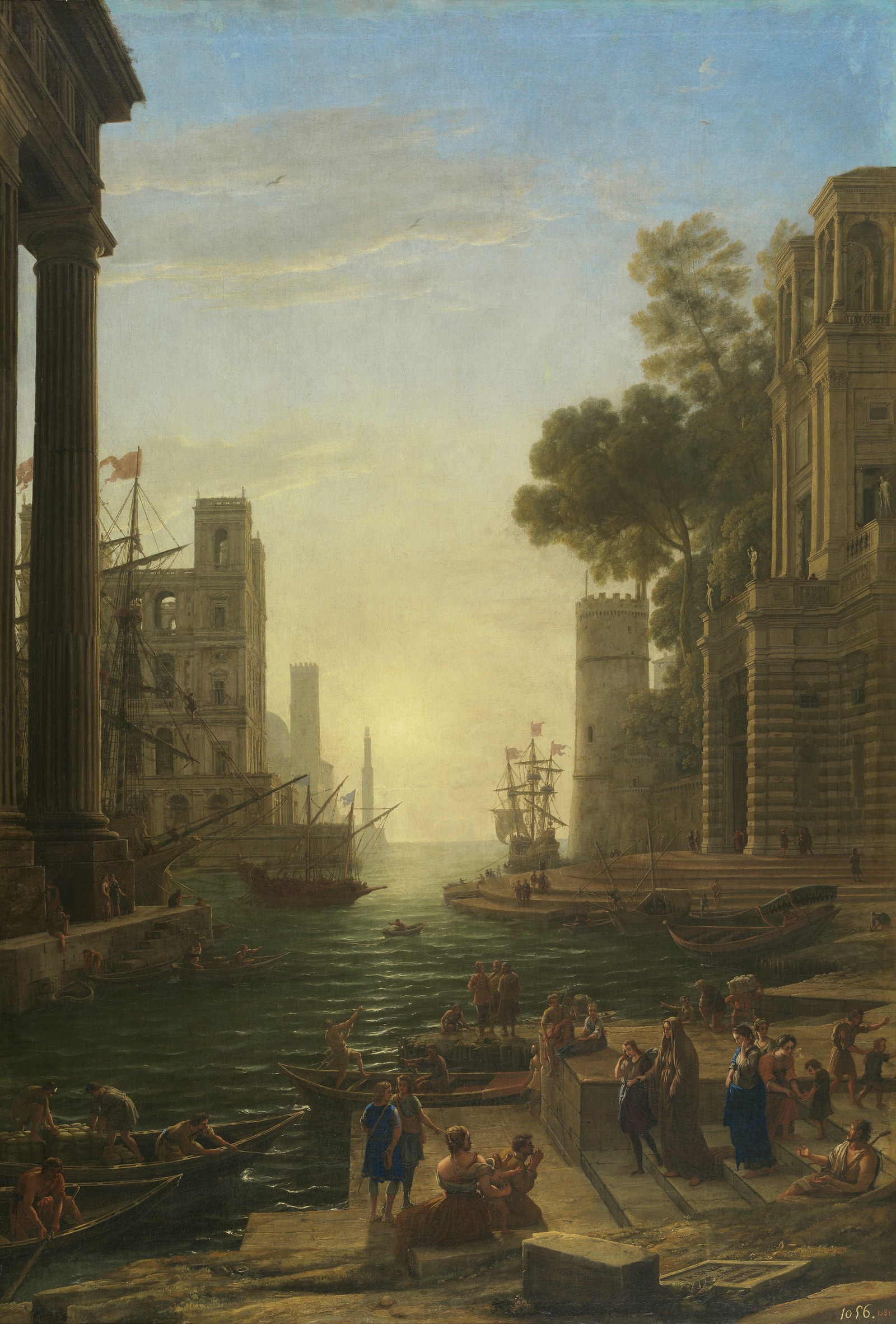
Porto ao Pôr do Sol — Claude Lorrain

Porto ao Pôr do Sol

Claude Lorrain

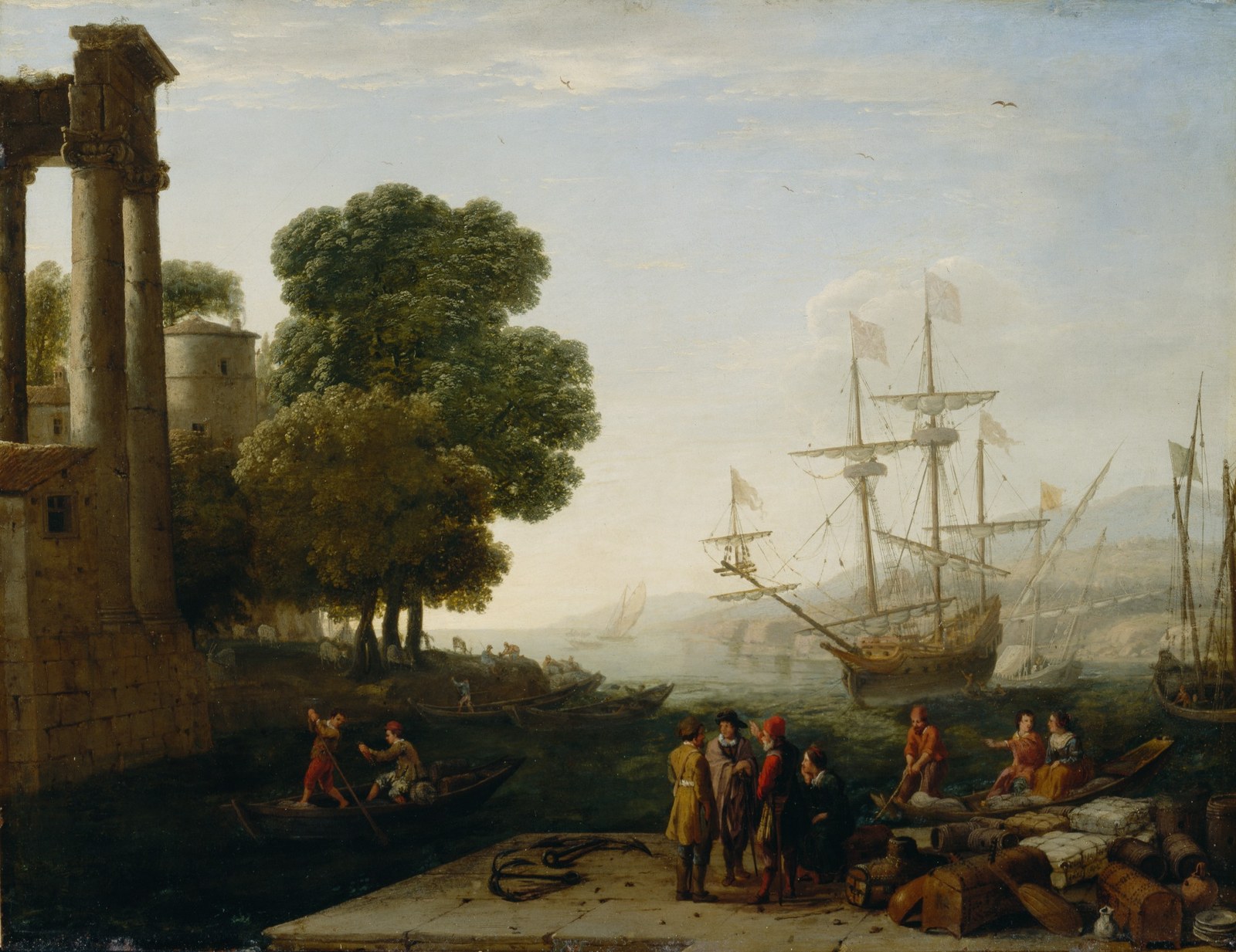
“A Seaport at Sunset” was painted in 1639 in Rome. [[artist:2048|Claude Lorrain]] painted many imaginary harbours, and this is one of the most beautiful. In “A Seaport at Sunset” on the left stand ancient columns and a tall tower. In the middle a large ship has dropped anchor, …

Ler a história →
Paisagem com Ácis e Galateia — Claude Lorrain

Paisagem com Ácis e Galateia

Claude Lorrain

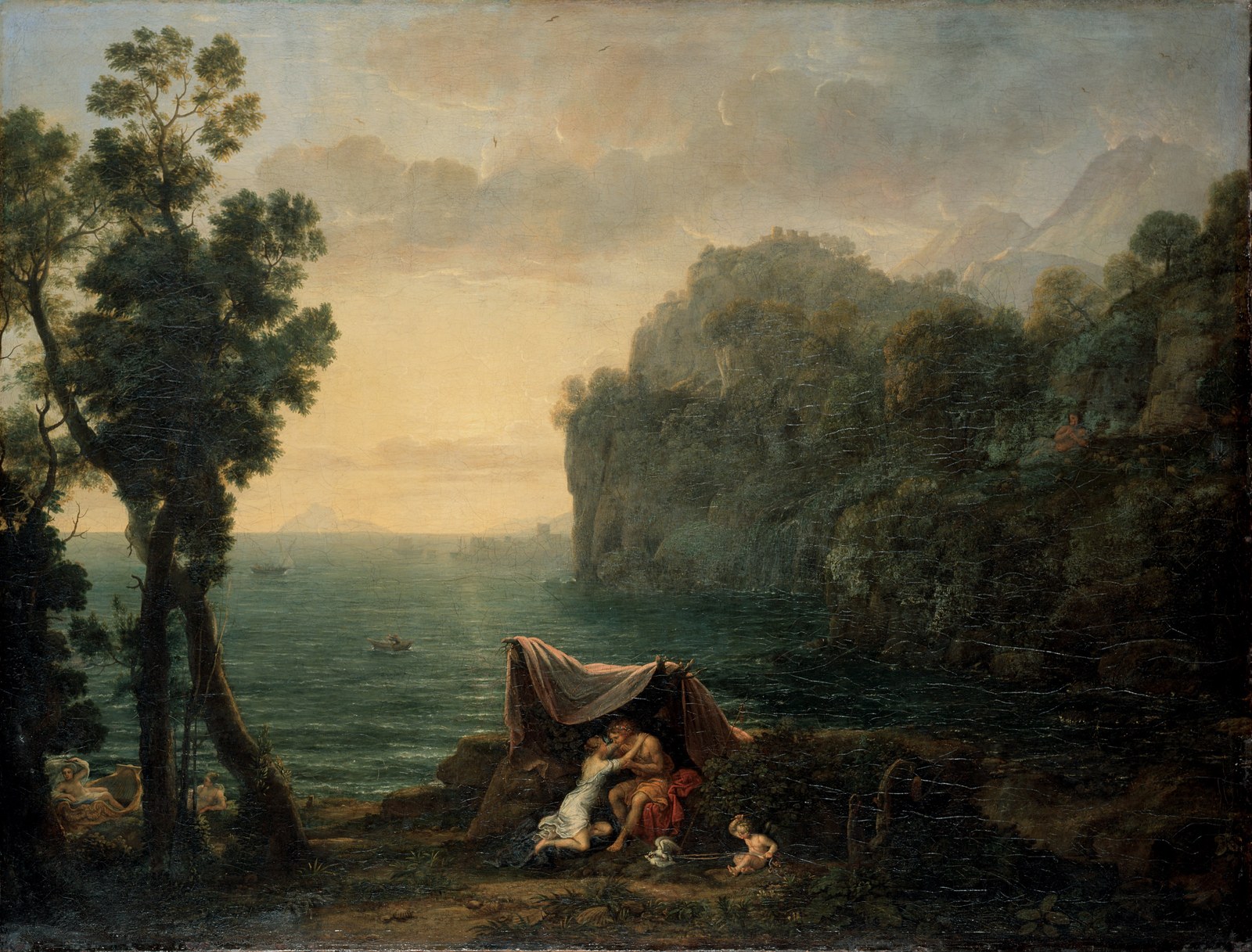
“Landscape with Acis and Galatea” was painted in 1657. The subject comes from an ancient myth: the sea nymph Galatea loves the shepherd Acis, but the giant Polyphemus is also in love with her. [[artist:2048|Claude Lorrain]] paints the lovers in moments of happiness. In “Landsca…

Ler a história →
Campo Vaccino — Claude Lorrain

Campo Vaccino

Claude Lorrain

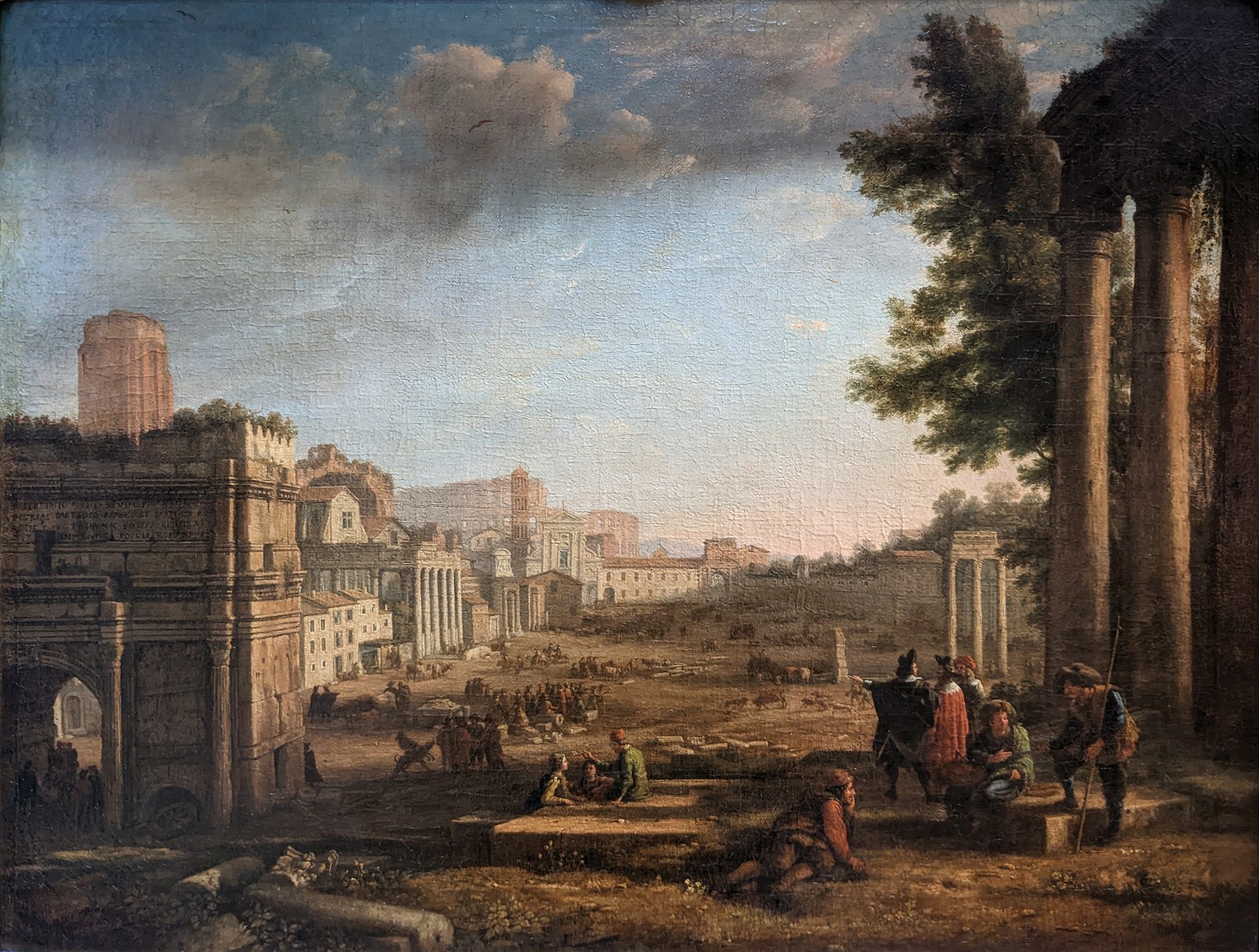
“Campo Vaccino” was painted in 1636 in Rome. “Campo Vaccino” means “cow field” – that is what the Romans of the time called the ancient Roman Forum, where cows grazed. [[artist:2048|Claude Lorrain]] painted the place as it was. In “Campo Vaccino” we look along the length of the…

Ler a história →
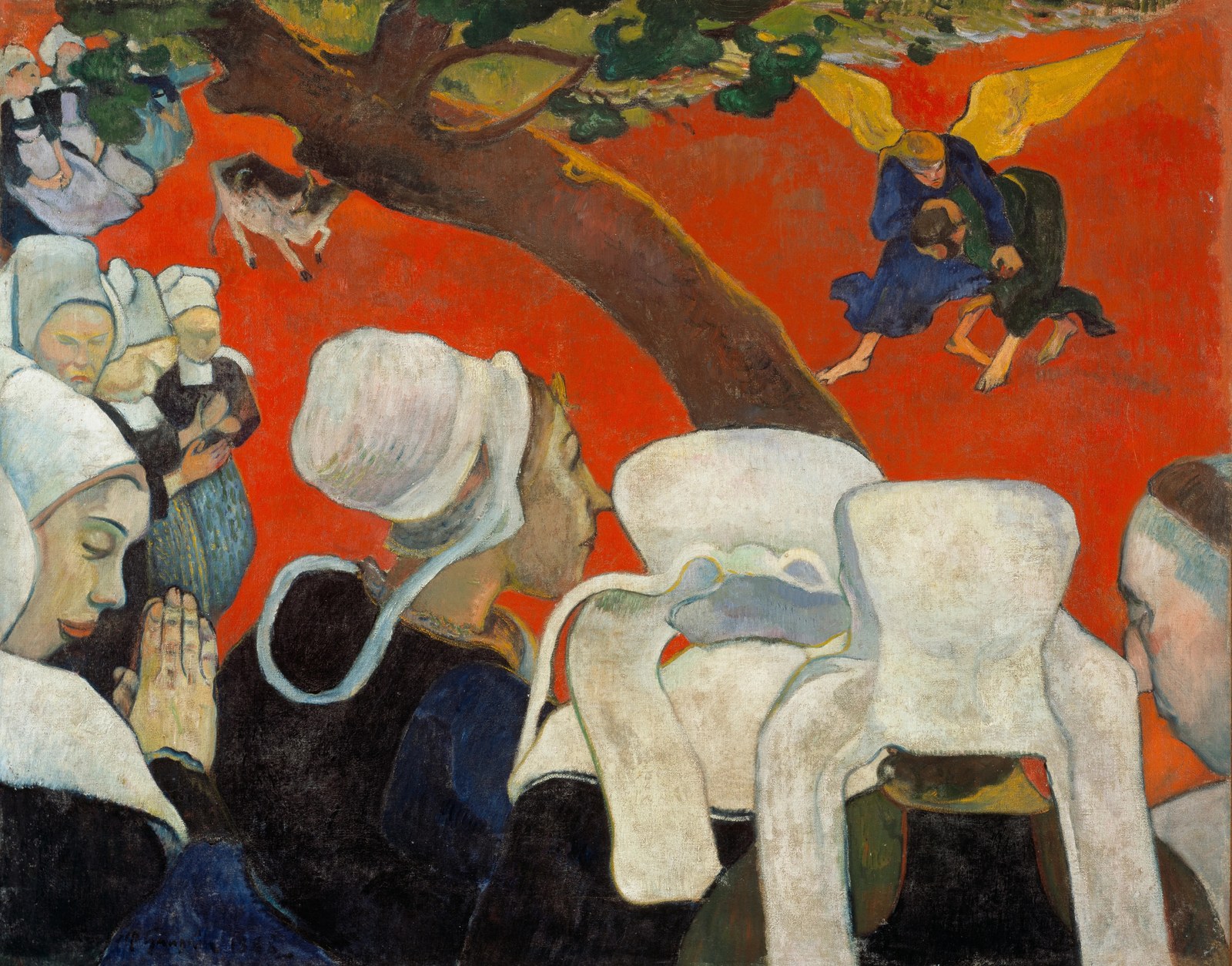
A Visão após o Sermão — Paul Gauguin

A Visão após o Sermão

Paul Gauguin

“Vision After the Sermon” was painted in the summer of 1888 in Pont-Aven, in Brittany. [[artist:2796|Paul Gauguin]] spent months there among the Breton peasant women with their white caps and black dresses. He wanted to paint not what the eye sees, but what people feel when they…

Ler a história →