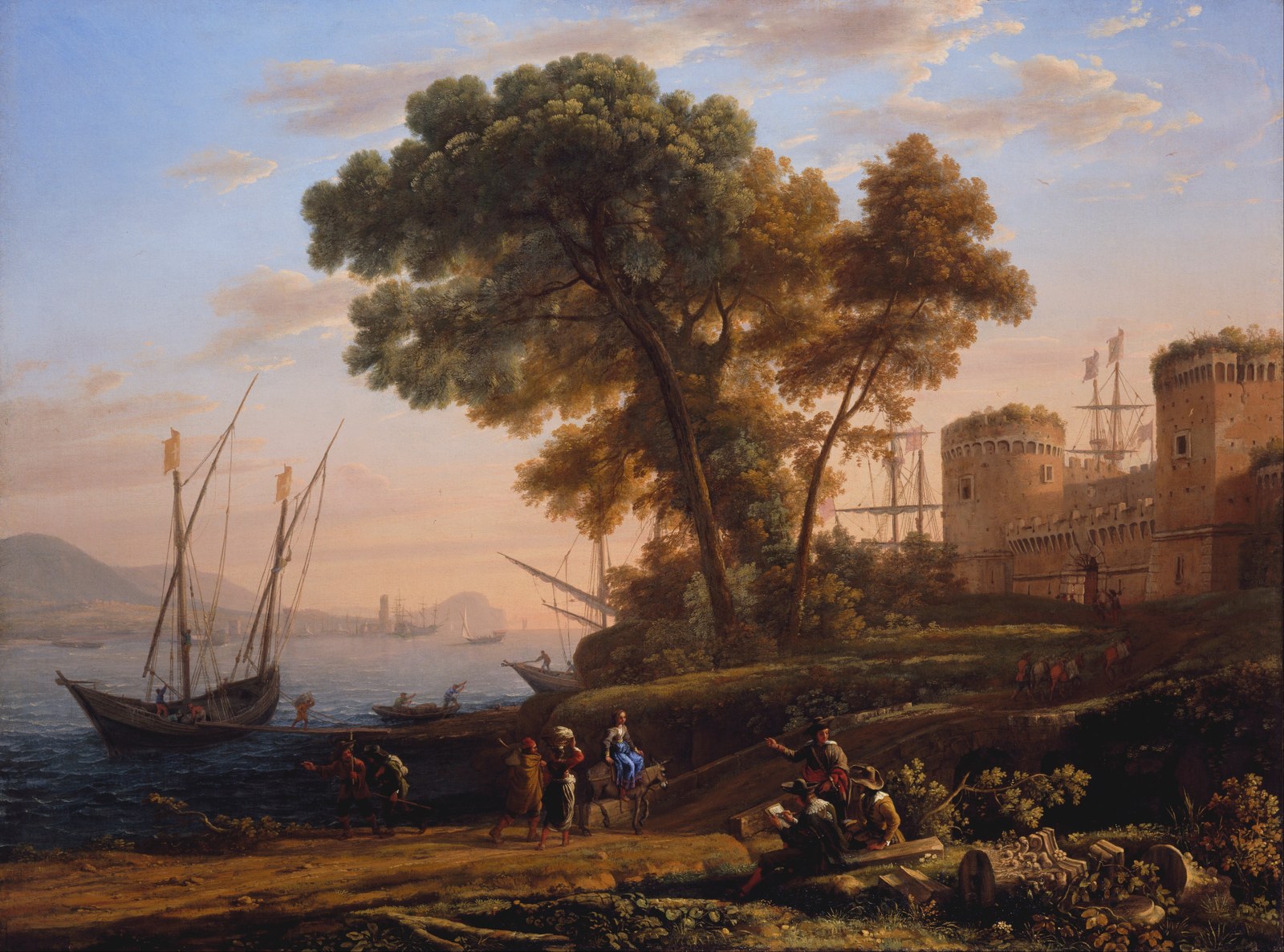
Claude Lorrain
French, 1600–1682, Neoclassicism
Life story
Claude Lorrain was born around 1600 in the village of Chamagne, in the Duchy of Lorraine. His real name is Claude Gellée, but the world knows him by the name of his native land – Lorrain, that is, Lorraine. The exact year of his birth is not known.
Claude was orphaned at the age of 12. As a young man he went to Rome, where he worked as a servant and assistant in the household of the painter Agostino Tassi. It is said that he was first a pastry cook and that this is how he came to the painters. There he learned to paint landscapes and wall decorations.
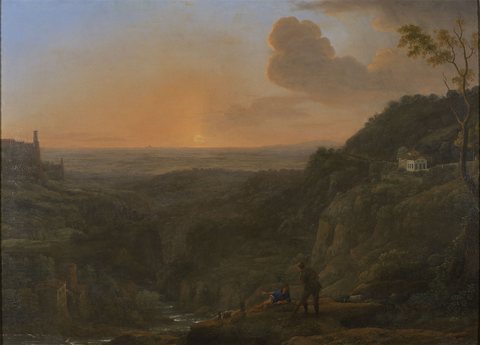
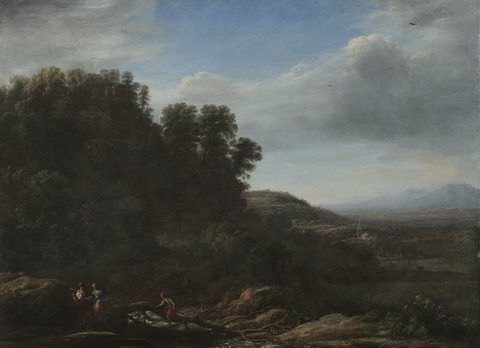
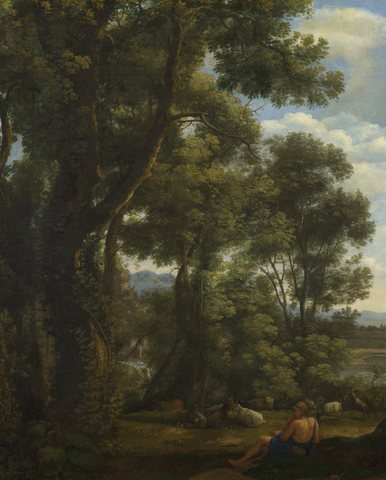
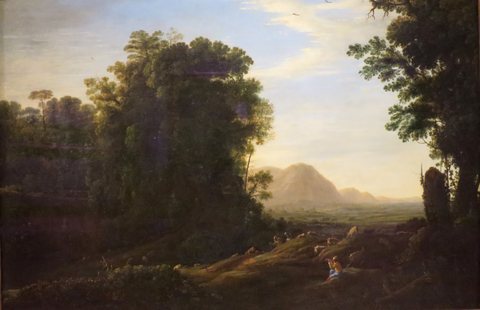
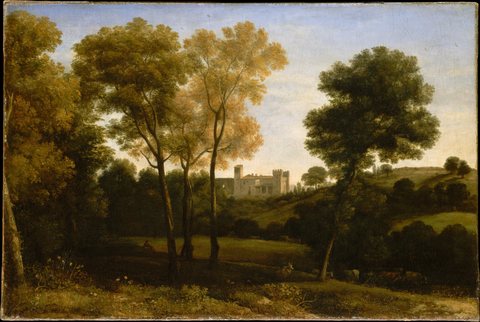
After a short return to Lorraine, in 1627 Claude Lorrain settled in Rome and stayed there for the rest of his life. He roamed the Roman Campagna – the fields, hills and ruins around the city. The painter Sandrart relates that Claude lay in the fields from dawn till dusk to watch how the light changed the colours.
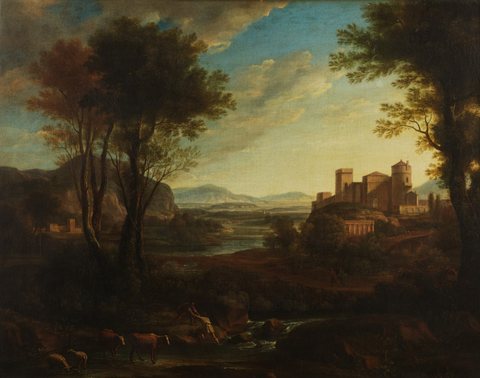
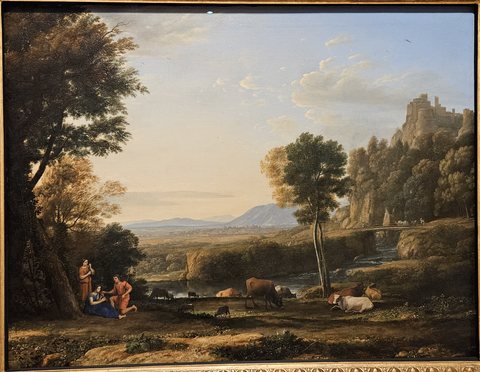
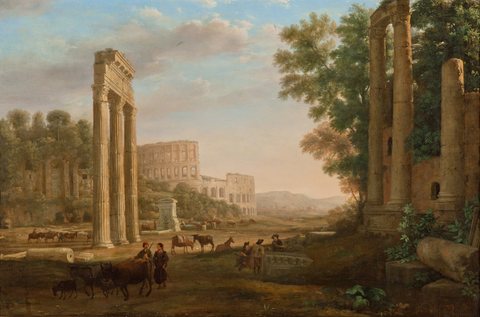
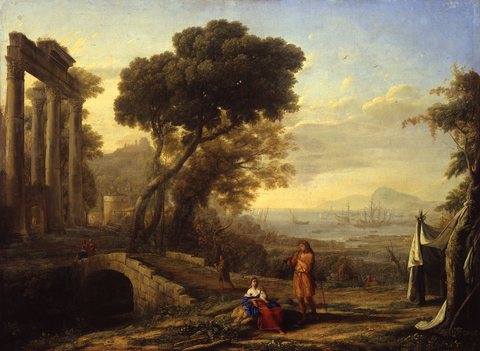
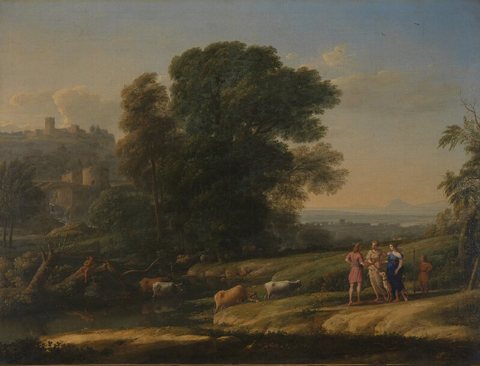
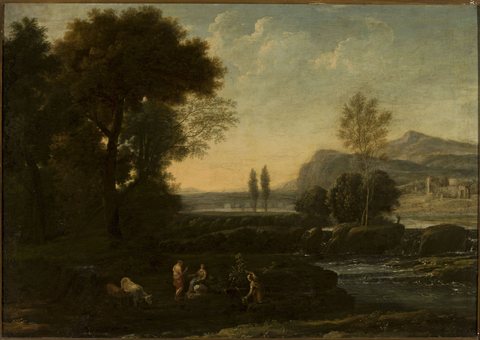
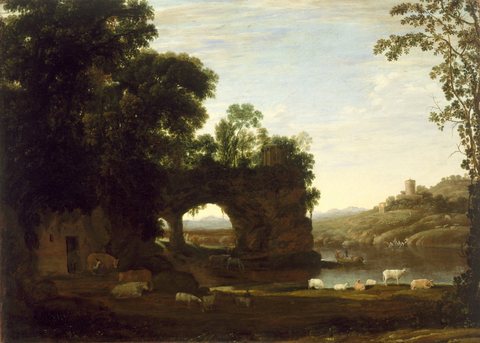
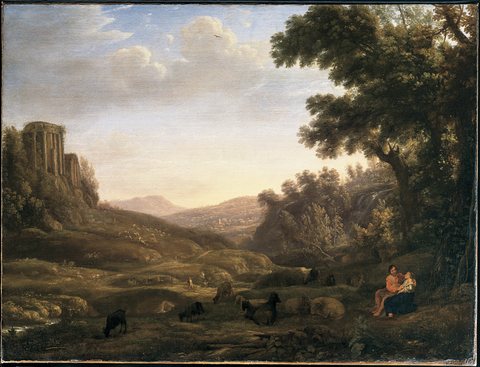
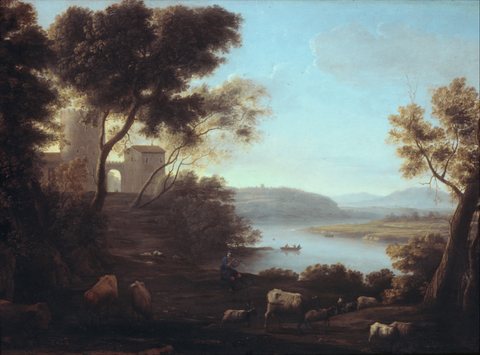
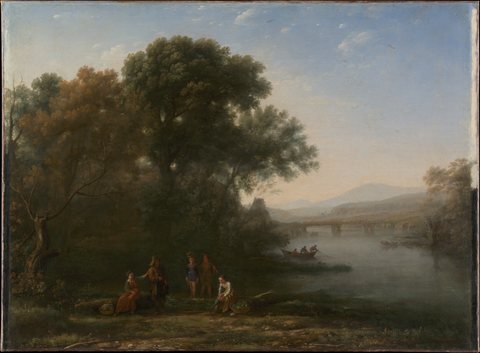
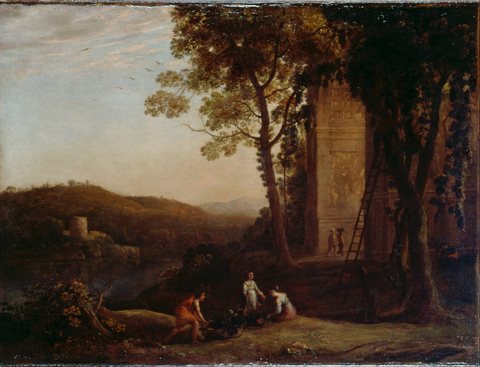
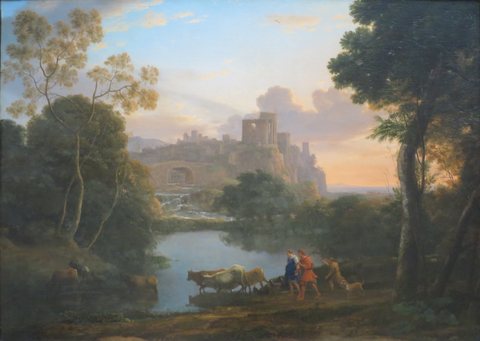
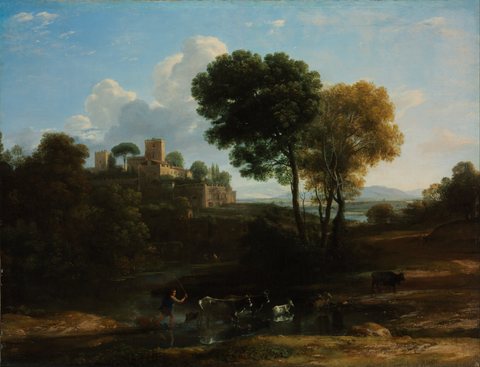
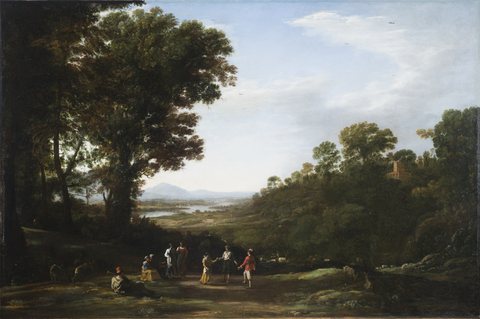
Claude painted Rome as he saw it. In Campo Vaccino the ancient Forum is a pasture for cows. But most often he painted imaginary landscapes – ideal, calm, lit by the rising or setting sun. In Rome he was a friend of another Frenchman, Nicolas Poussin.
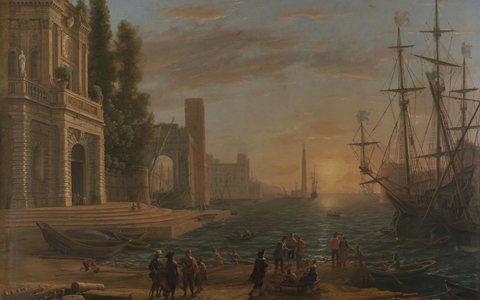
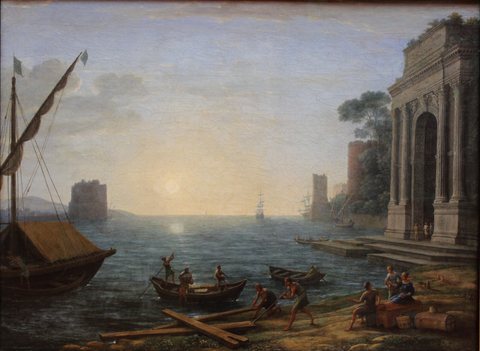
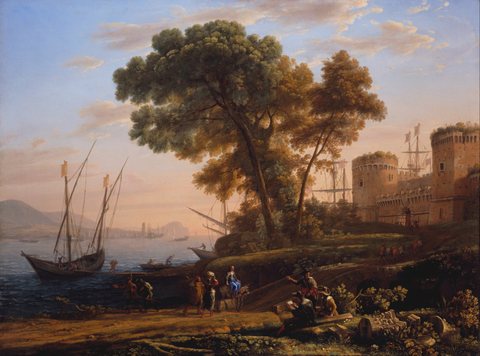
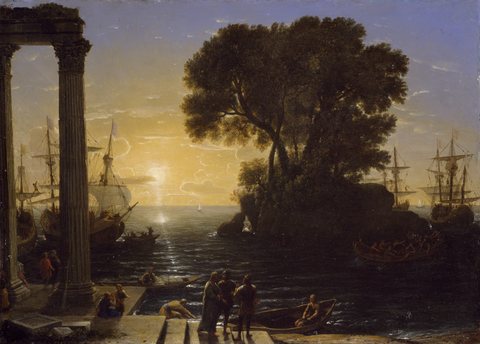
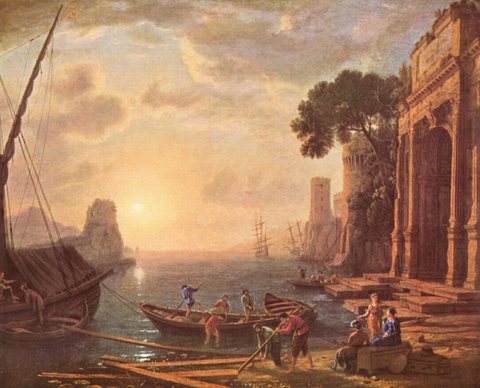
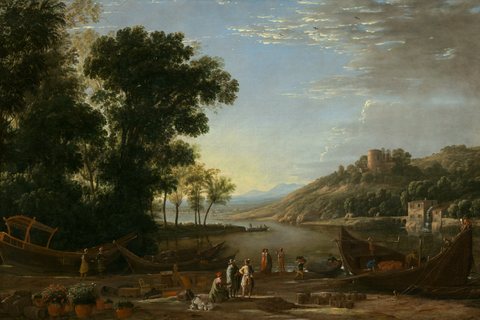
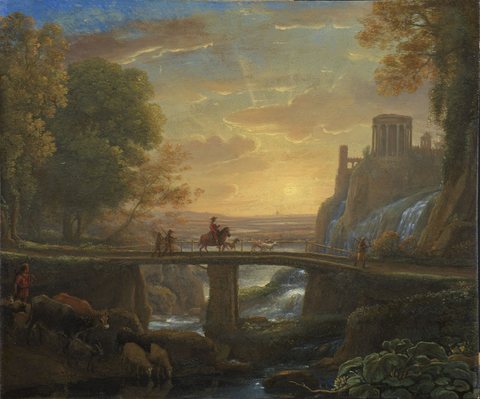
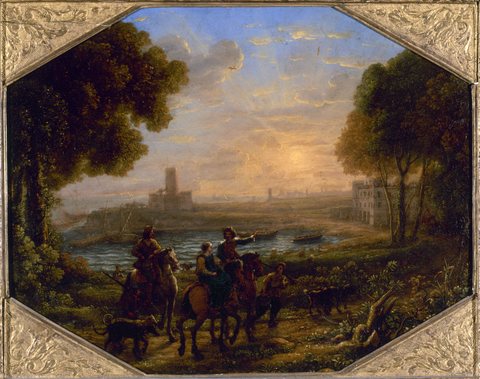
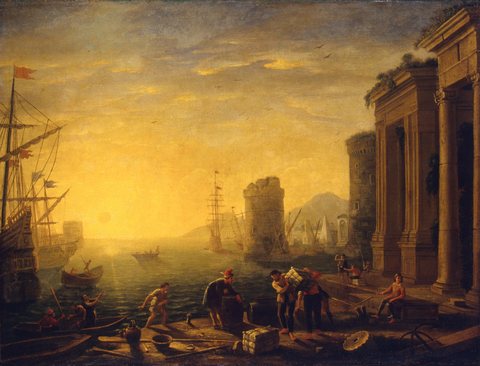
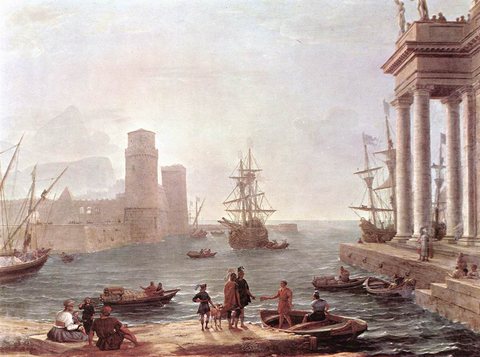
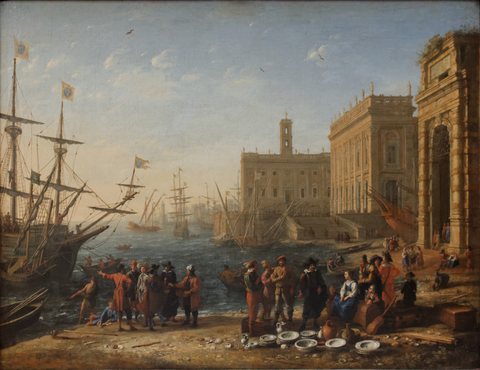
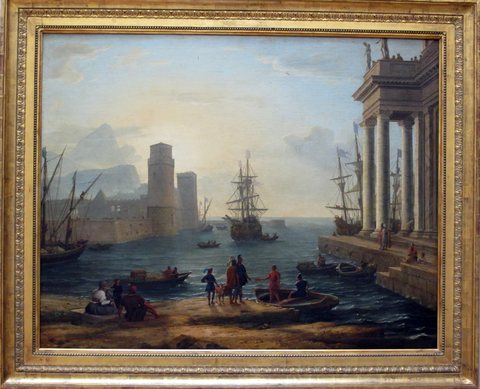
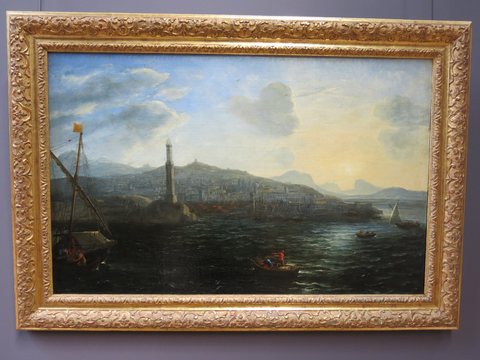
Above all he loved harbours at sunset, such as A Seaport at Sunset. The ships, palaces and people are in shadow, and the sun is right in front of us, gilding the sea. He was one of the first painters who dared to paint the sun itself.
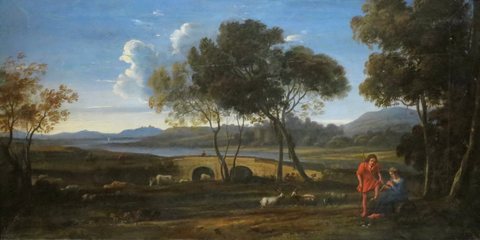
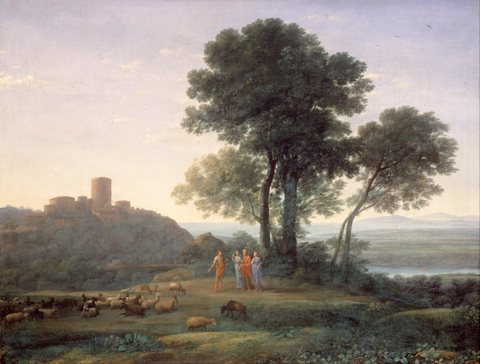
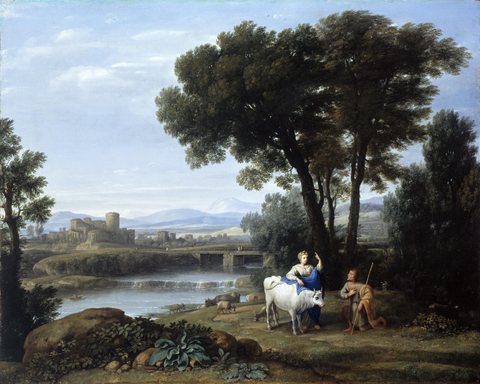
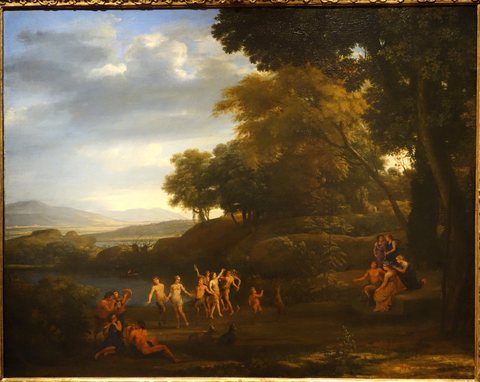
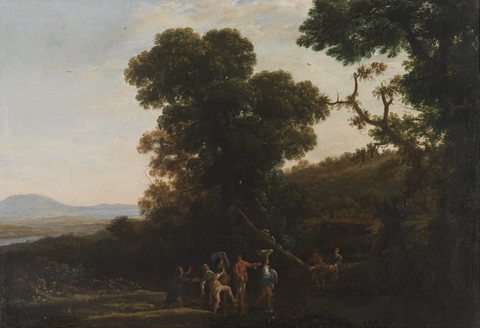
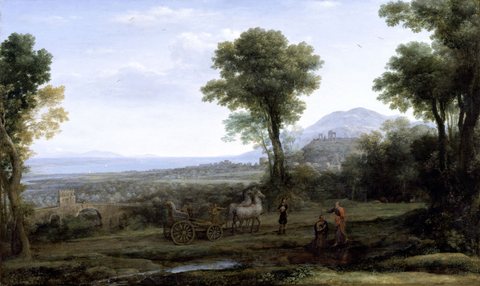
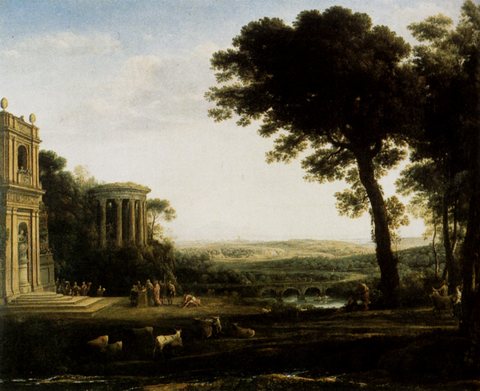
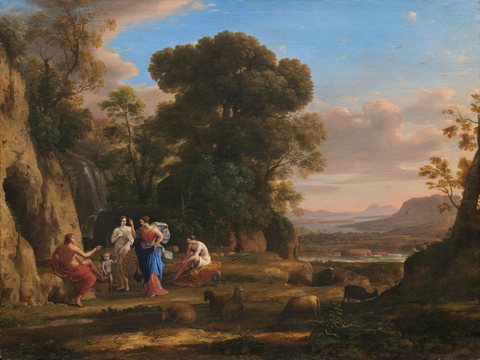
There are always small figures in his pictures – biblical heroes, gods, shepherds. But they are only a pretext. The figures are often considered his weak point. It is said that Claude Lorrain used to joke that he sold the landscape and gave the figures away for free.
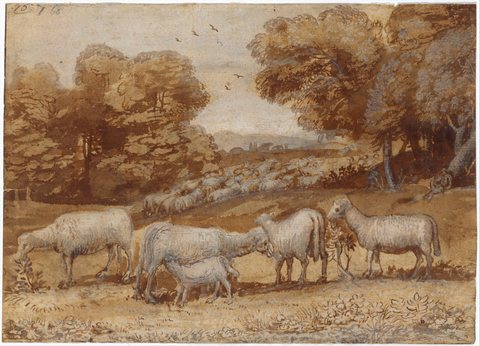
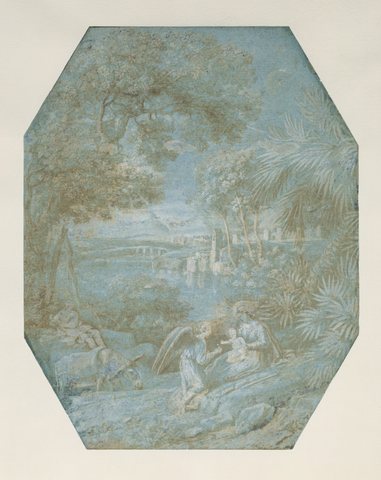
His paintings became so sought after that forgeries soon appeared. So around 1635 Claude began a book of drawings – copies of each of his finished paintings. He called it the “Book of Truth”. It contains about 200 drawings and is today in the British Museum.
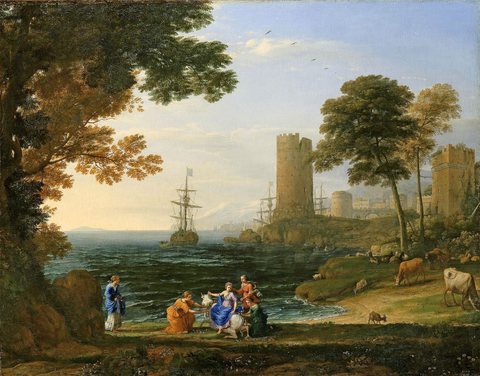
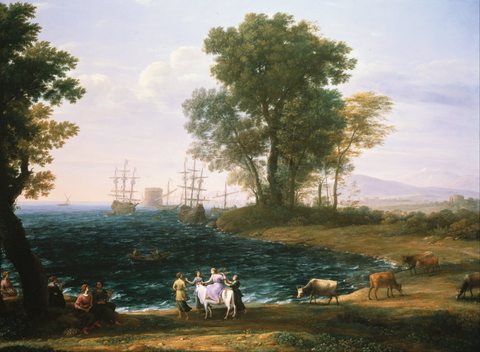
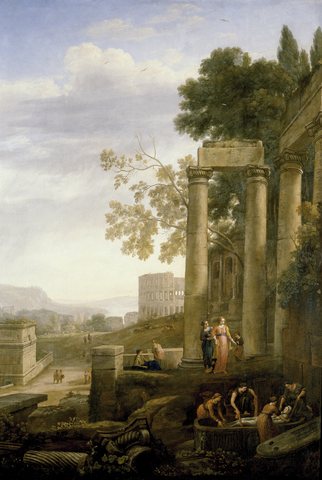
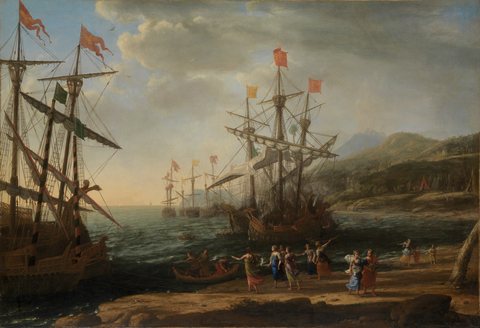
His clients were popes, cardinals and kings. King Philip IV of Spain ordered a whole series of paintings for his palace in Madrid, among them Landscape with the Embarkation of Saint Paula Romana at Ostia. Claude never married and lived modestly, devoted to his work.
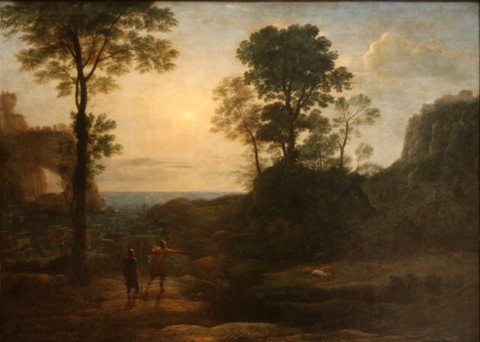
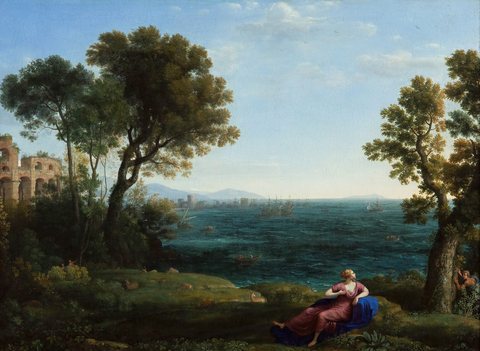
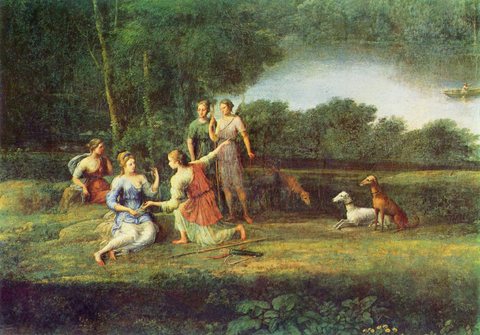
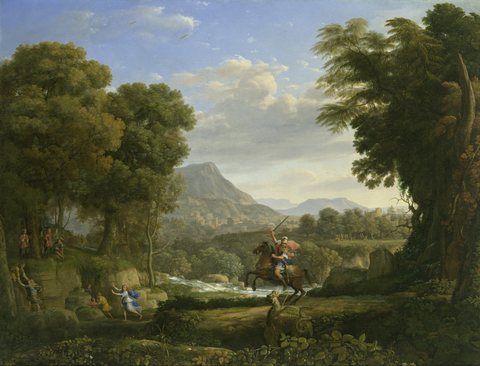
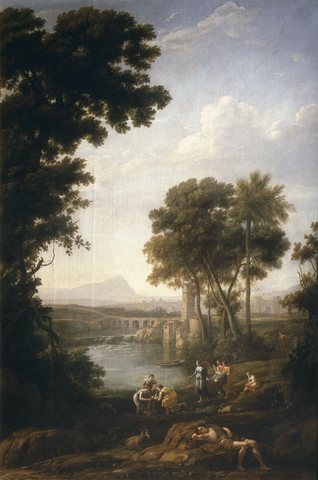
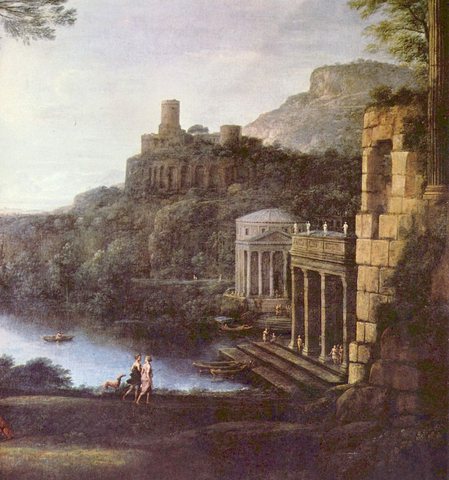
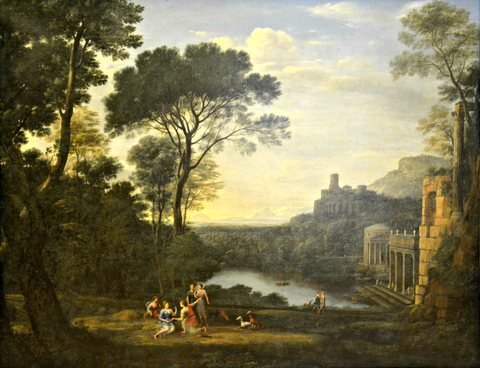
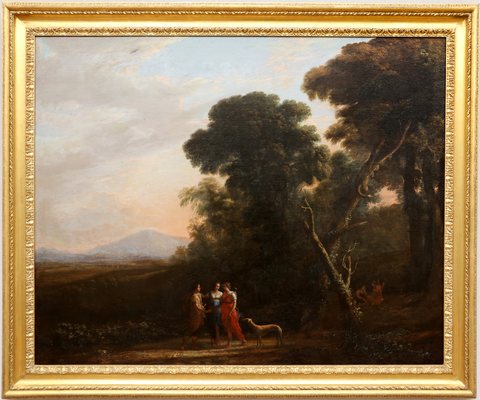
He also painted ancient myths. In Landscape with Acis and Galatea the lovers embrace by the sea, and Landscape with Narcissus and Echo tells of the youth who fell in love with his own reflection.
Claude Lorrain died in Rome on 23 November 1682. He was buried in the church of Trinità dei Monti, and later his tomb was moved to San Luigi dei Francesi.
After his death England literally fell in love with his paintings. Rich Englishmen bought them and laid out the parks of their estates after them. The mirror in which travellers looked at the landscape in warm tones was given the name “Claude glass”.
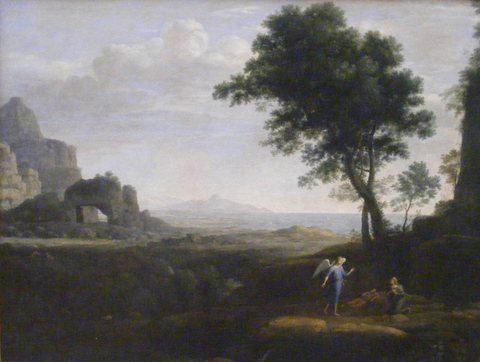
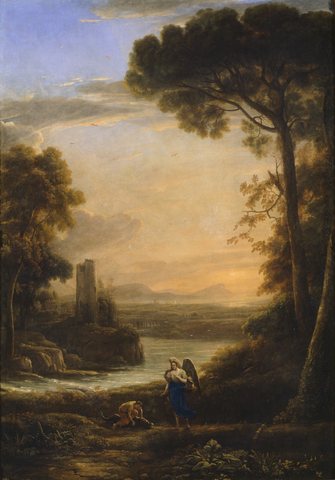
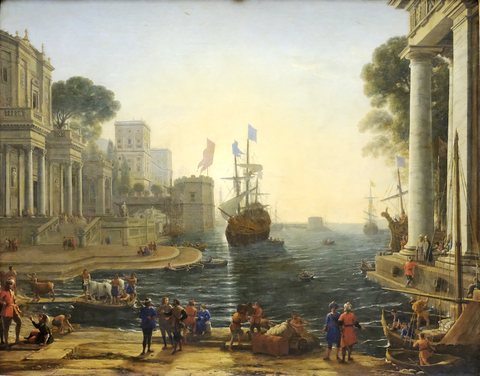
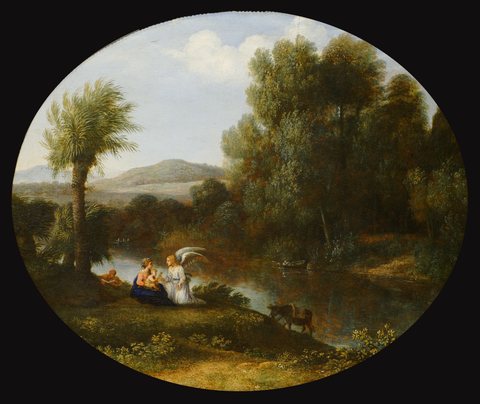
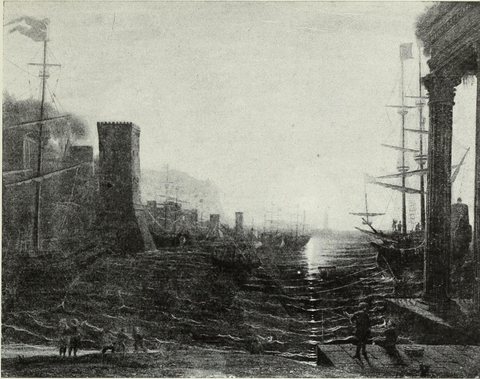
English painters idolised him. It is said that Joseph Mallord William Turner burst into tears in front of Seaport with the Embarkation of the Queen of Sheba, because he would never be able to paint like that. John Constable, for his part, considered his encounter with Landscape with Hagar and the Angel an important moment in his life.
Most famous works
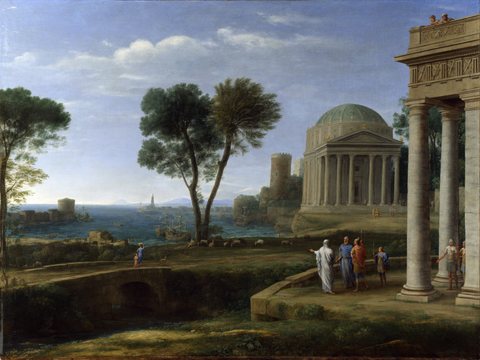
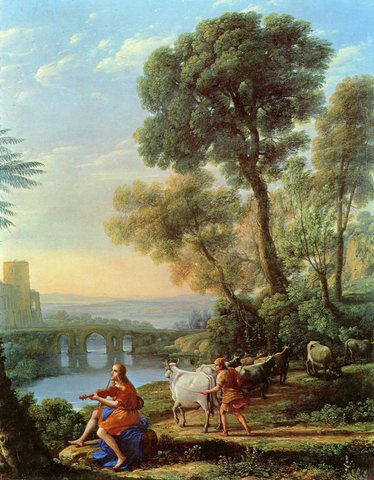
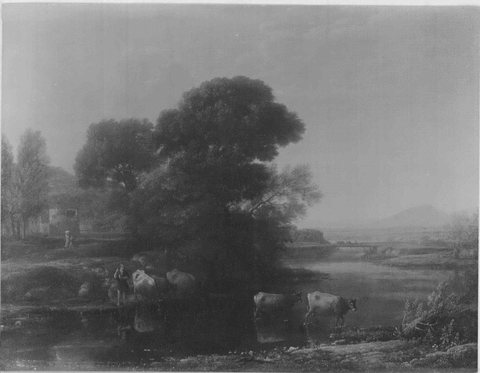
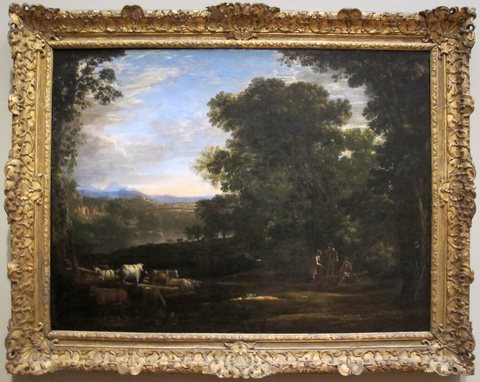
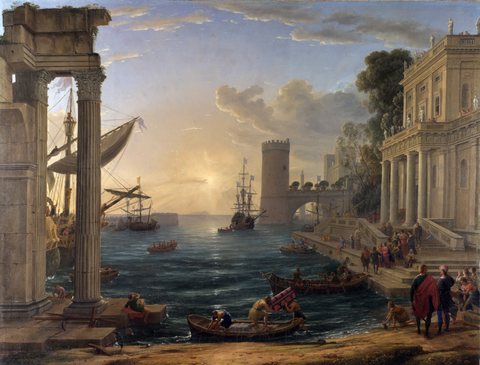 Seaport with the Embarkation of the Queen of ShebaThe sun over the harbour and a queen, 1648. National Gallery, London.Wikimedia Commons
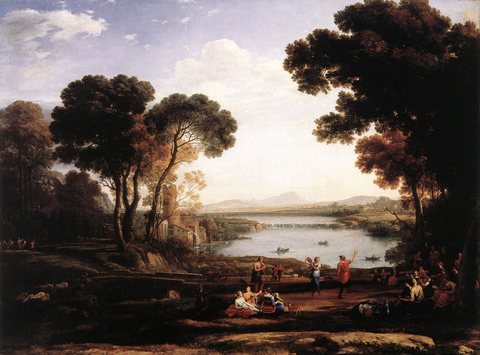
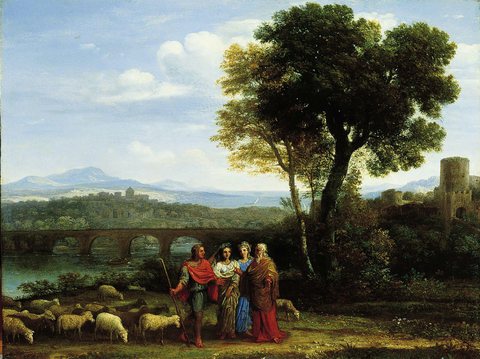
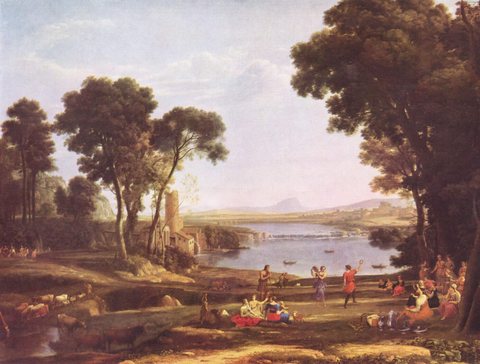
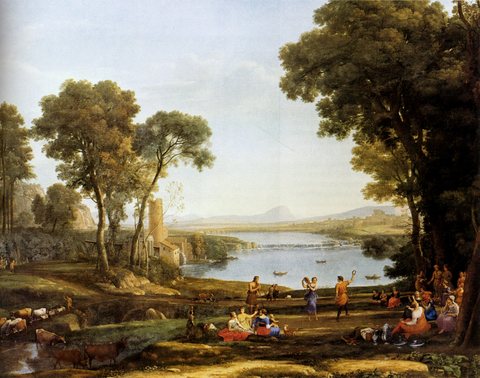
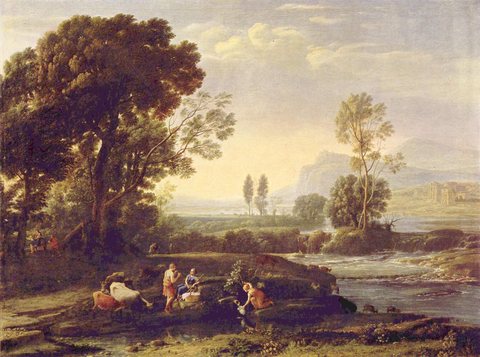
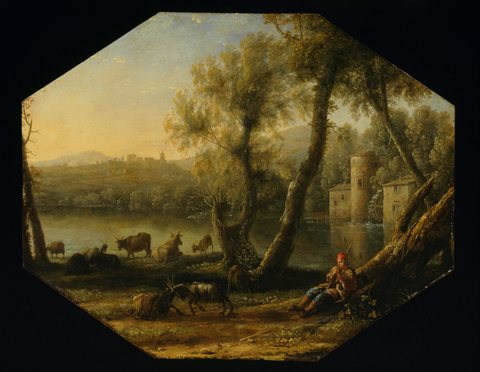
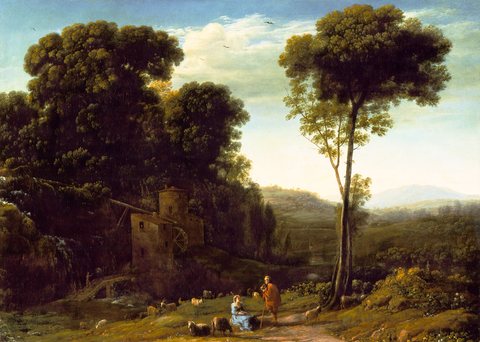
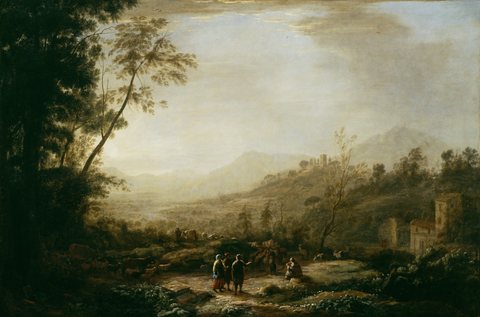
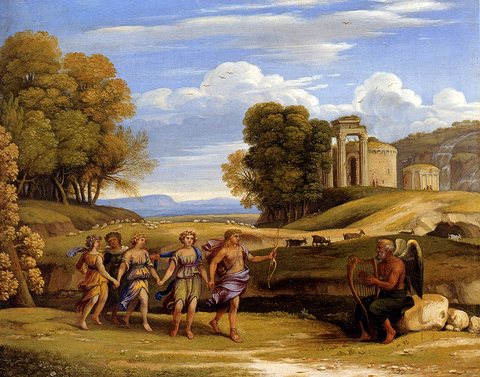
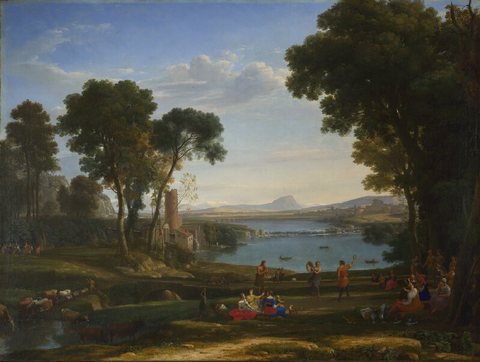 The Mill, or Landscape with the Marriage of Isaac and RebeccaA wedding, a dance and a mill in golden light, 1648. National Gallery, London.Wikimedia Commons
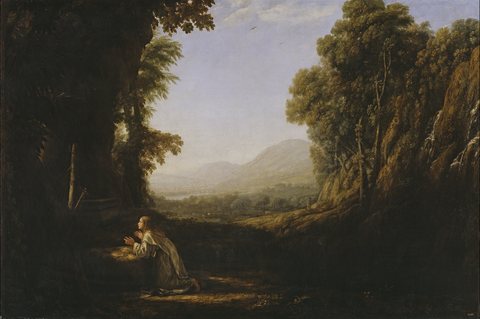
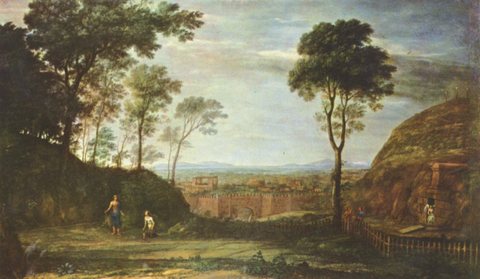
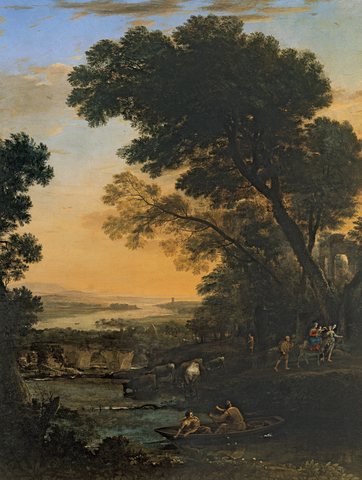
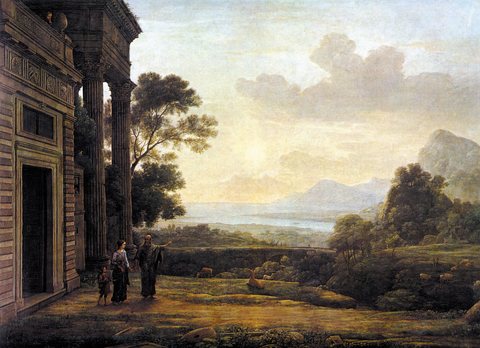
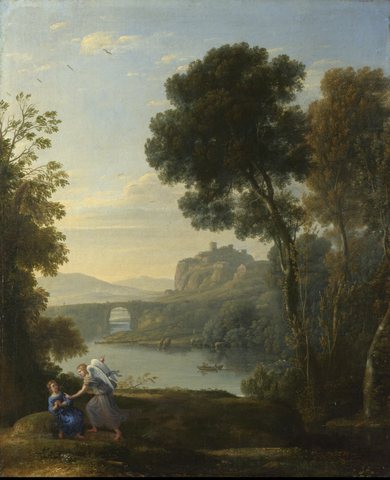 Landscape with Hagar and the AngelThe small picture loved by Constable, 1646. National Gallery, London.
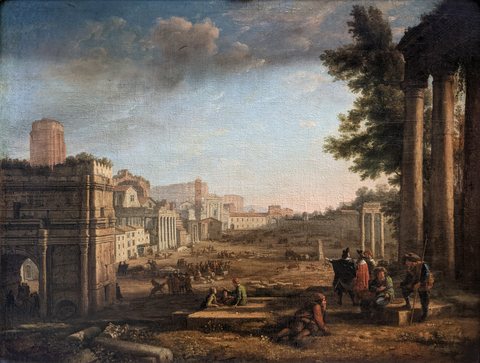 Campo VaccinoThe ancient Forum as a cow pasture, 1636. Louvre, Paris.
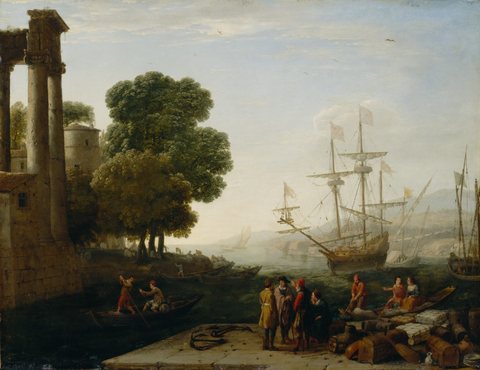 A Seaport at SunsetA harbour gilded by the sunset, 1639. Louvre, Paris.
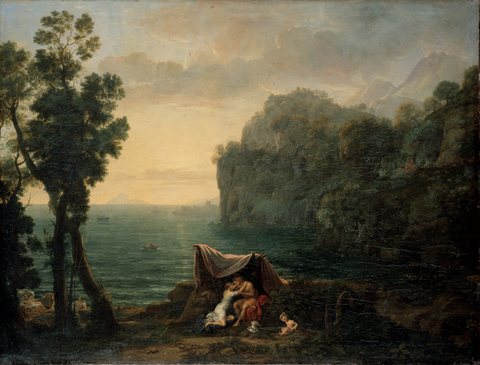 Landscape with Acis and GalateaLovers by the sea and the giant's shadow, 1657. Dresden.
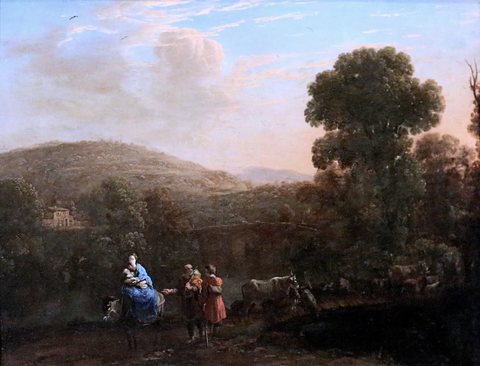
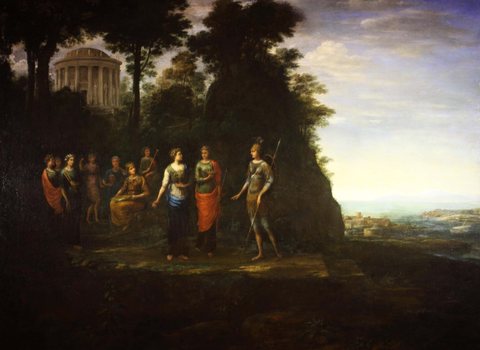
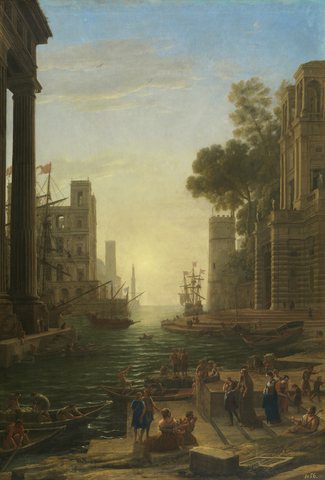 Landscape with the Embarkation of Saint Paula Romana at OstiaA commission from the King of Spain, around 1639–1640. Museo del Prado, Madrid.
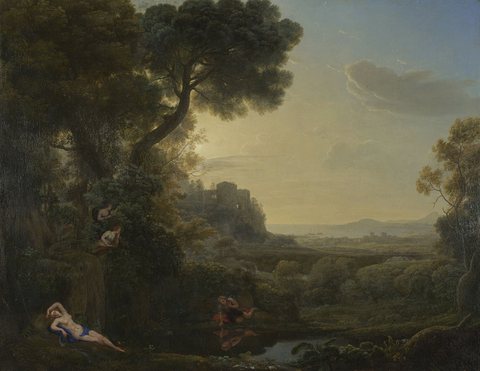 Landscape with Narcissus and EchoThe youth in love with his reflection, 1644. National Gallery, London.Wikimedia Commons
Timeline
- 1600Born around this year in Chamagne, Lorraine
- 1612Orphaned at the age of 12
- 1627Settles permanently in Rome
- 1635Begins the “Book of Truth”
- 1636“Campo Vaccino”
- 1639Commissions for King Philip IV of Spain
- 1644“Landscape with Narcissus and Echo”
- 1648“Seaport with the Embarkation of the Queen of Sheba”
- 1657“Landscape with Acis and Galatea”
- 1682Dies in Rome on 23 November
Where to see them
Interesting facts
The real name of Claude Lorrain is Claude Gellée.
Claude drew copies of his paintings in the “Book of Truth” to protect himself from forgeries.
King Philip IV of Spain ordered a whole series of paintings from Claude.
In his will Turner made it a condition that two of his paintings should hang beside two paintings by Claude.
The mirror with which travellers looked at landscapes in warm tones is called the “Claude glass”.