English
1 online · 2 today
Painting of the Day →

page 8 — Pictavera

 
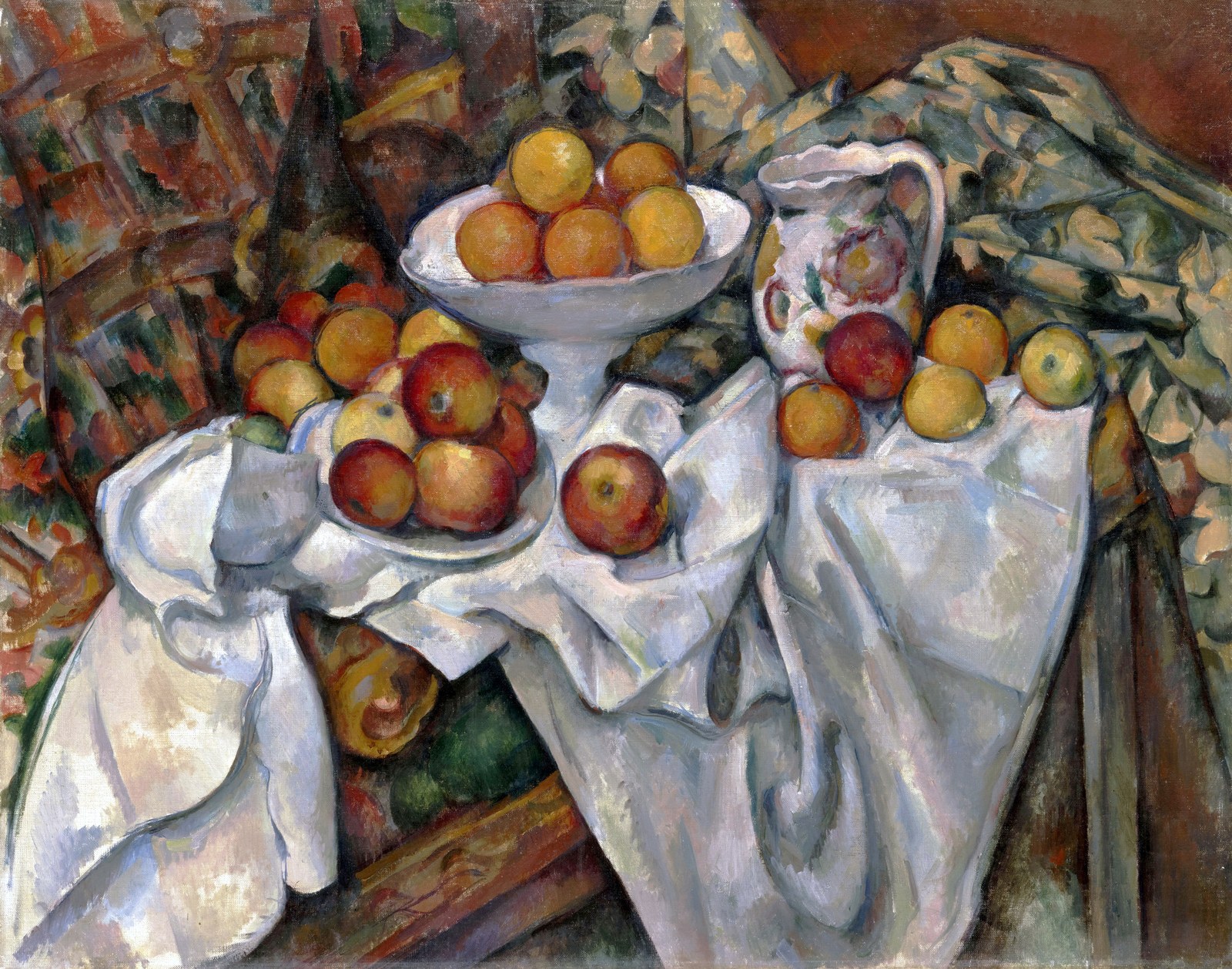
Apples and Oranges — Paul Cézanne

Apples and Oranges

Paul Cézanne

“Apples and Oranges” was painted around 1899 in the Paris studio of [[artist:1290|Paul Cézanne]]. He arranged the objects for a very long time – cloths, jugs, a fruit bowl and fruit – before he began to paint. In “Apples and Oranges” we see a white cloth gathered into folds lik…

Read the story →
Helena Fourment in a Fur Wrap — Peter Paul Rubens

Helena Fourment in a Fur Wrap

Peter Paul Rubens

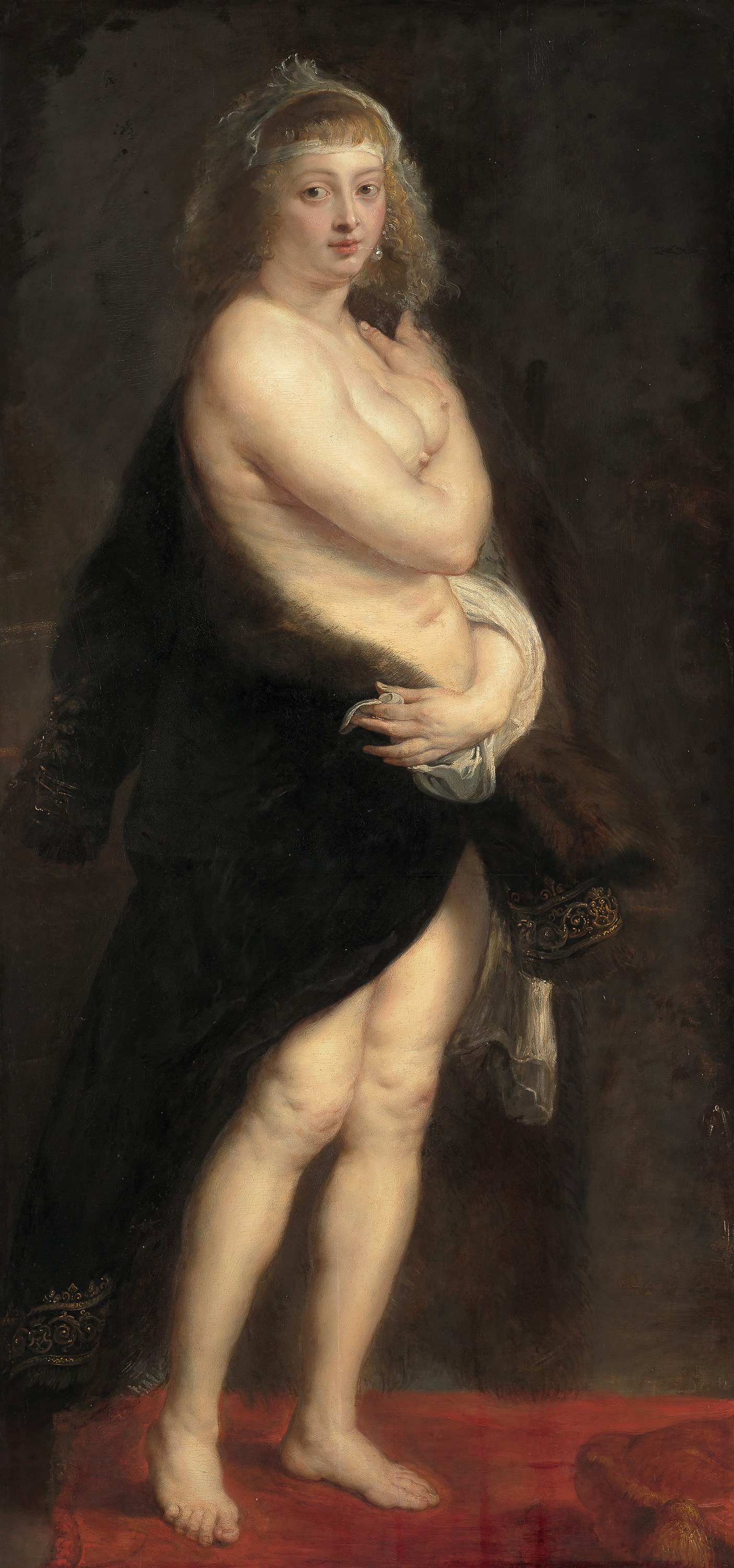
“Helena Fourment in a Fur Wrap” was painted around 1636–1638. [[artist:2476|Peter Paul Rubens]] painted his young wife Helena, wrapped only in a dark fur cloak. The artist himself calls it “The Little Fur” in his will. In “Helena Fourment in a Fur Wrap” Helena stands upright on…

Read the story →
The Second of May 1808 — Francisco de Goya

The Second of May 1808

Francisco de Goya

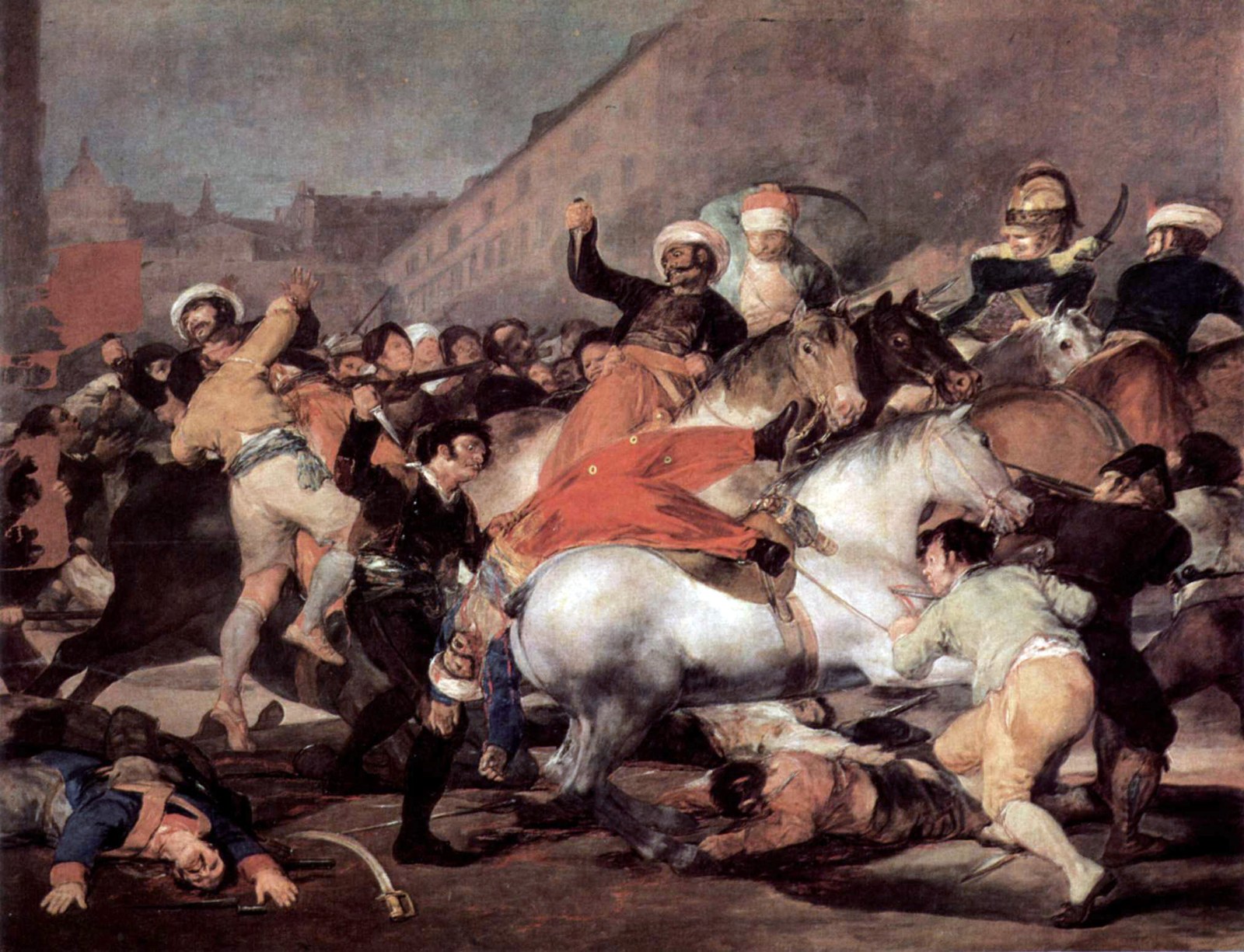
“The Second of May 1808” was painted in 1814. The government commissioned two paintings from [[artist:521|Francisco de Goya]] of the uprising of the people of Madrid against Napoleon's army. In “The Second of May 1808” a battle rages in a street in the centre of Madrid. Horseme…

Read the story →
The Clothed Maja — Francisco de Goya

The Clothed Maja

Francisco de Goya

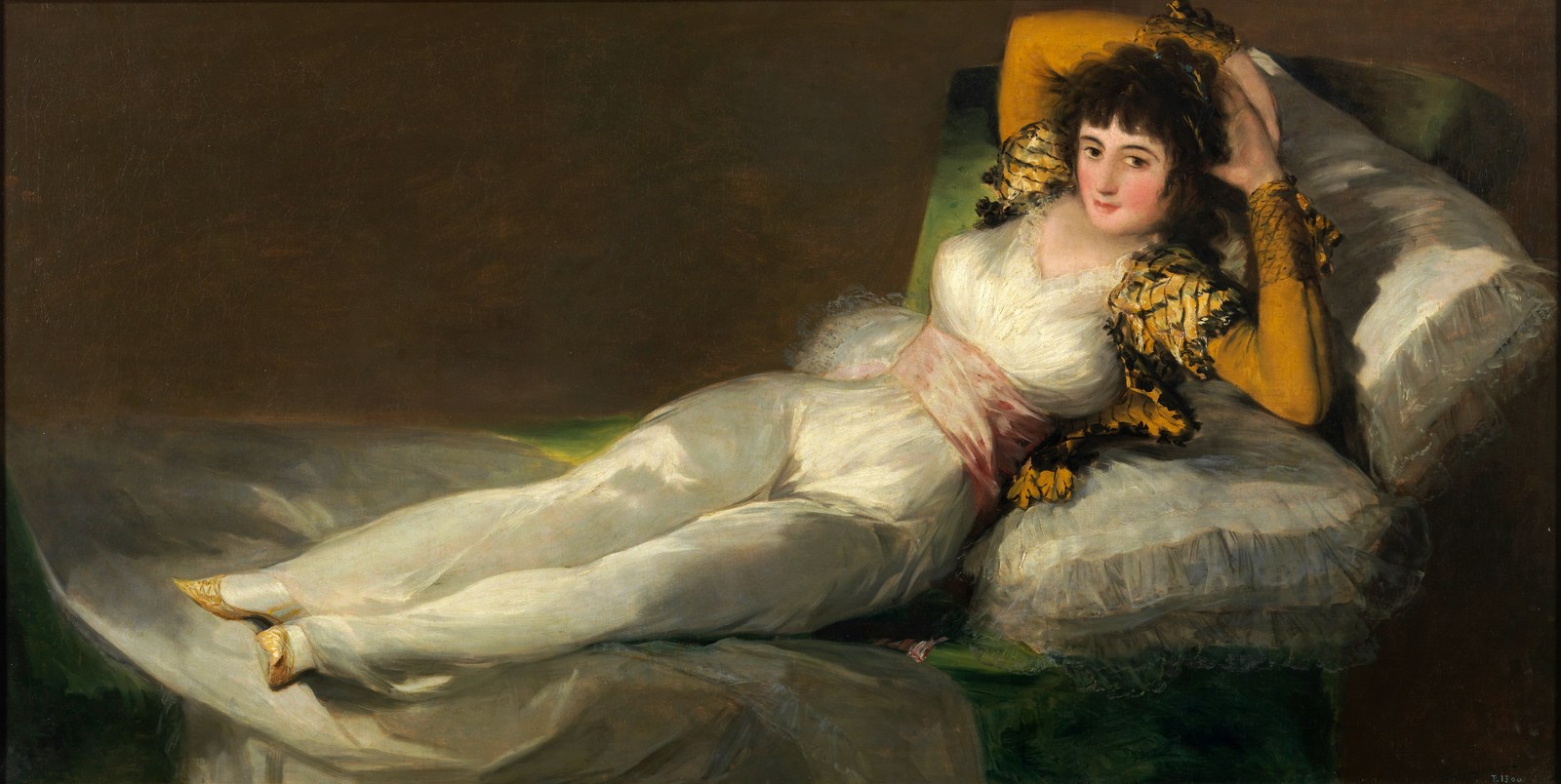
“The Clothed Maja” was painted between 1800 and 1807. It is the pair of another painting by [[artist:521|Francisco de Goya]], in which the same woman is nude. In “The Clothed Maja” a young woman lies on a green couch with white cushions. Her hands are behind her head, and she l…

Read the story →
The Family of Charles IV — Francisco de Goya

The Family of Charles IV

Francisco de Goya

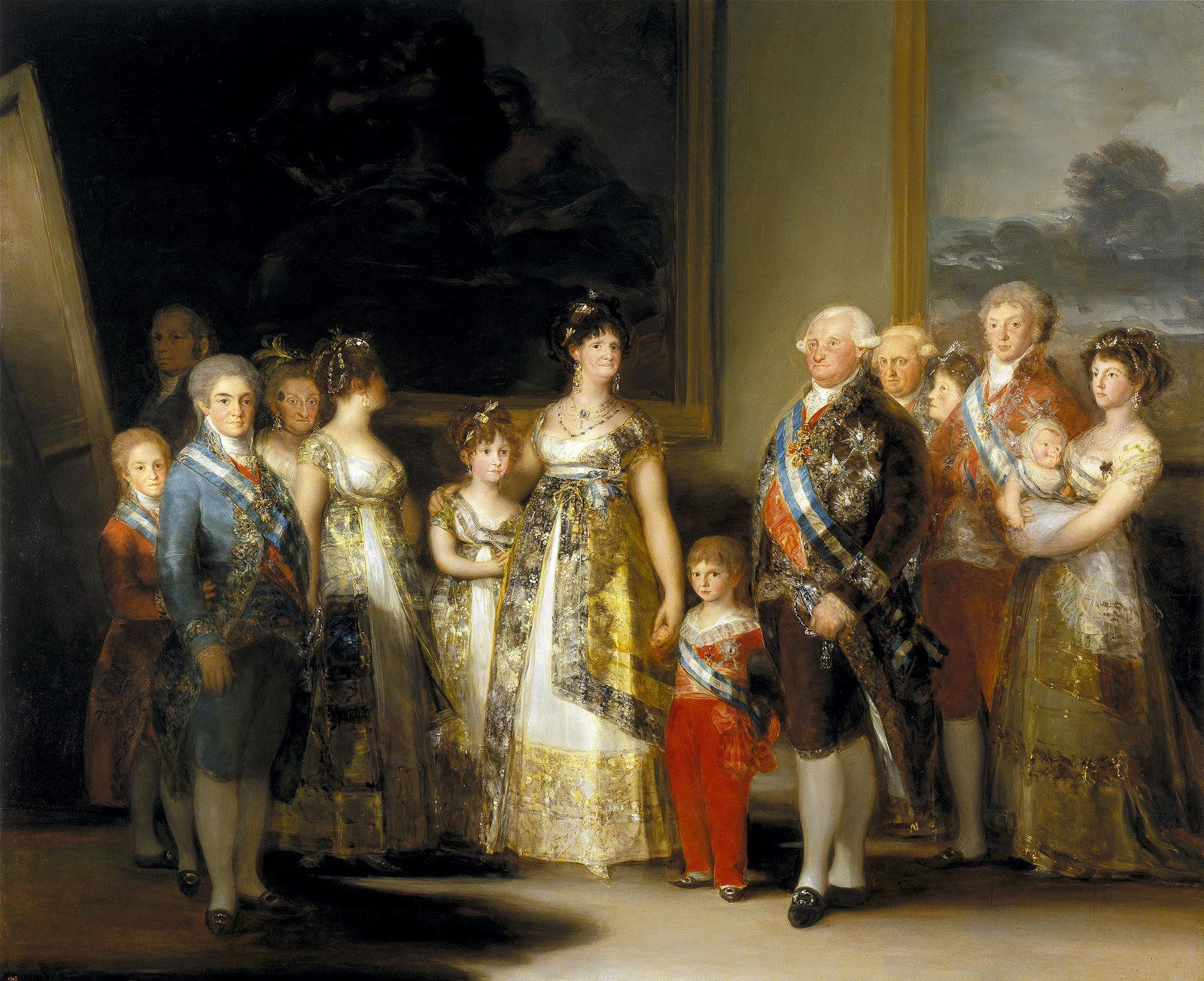
“The Family of Charles IV” was painted in 1800–1801. Shortly before, [[artist:521|Francisco de Goya]] had been appointed First Court Painter. In “The Family of Charles IV” the king, the queen and their relatives stand in a row, dressed in silk, gold and orders. In the centre is…

Read the story →
The Duke of Wellington — Francisco de Goya

The Duke of Wellington

Francisco de Goya

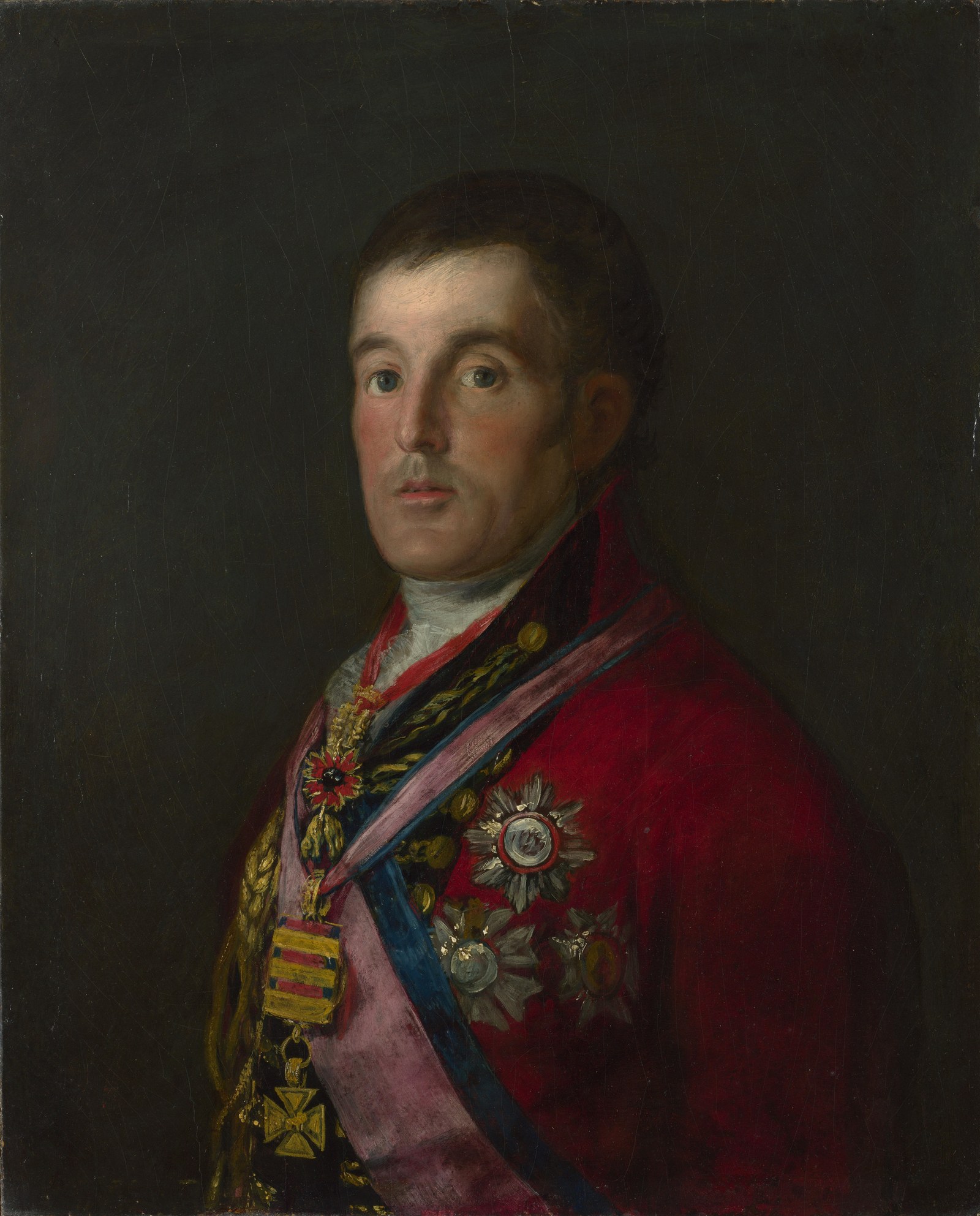
“The Duke of Wellington” was painted in 1812–1814. The British general Wellington entered Madrid in 1812 after defeating the French army. [[artist:521|Francisco de Goya]] painted his portrait and later changed it. In “The Duke of Wellington” we see the general to the waist, in …

Read the story →
The Dog — Francisco de Goya

The Dog

Francisco de Goya

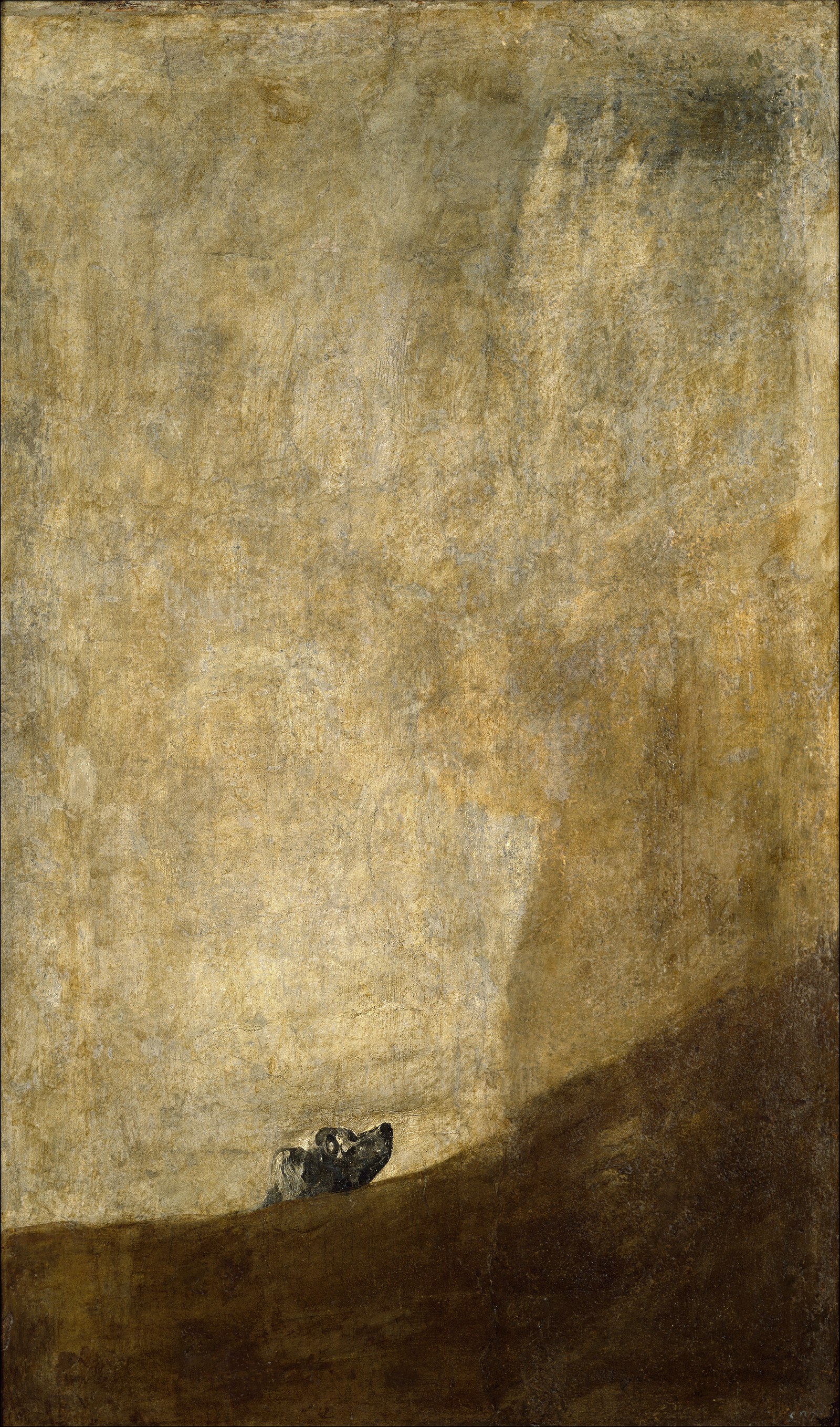
“The Dog” was painted around 1819–1823. It is one of the 14 “Black Paintings” that [[artist:521|Francisco de Goya]] painted directly on the walls of his house near Madrid. In “The Dog” almost everything is empty. Below there is a dark mass like sand or earth. Only the head of a…

Read the story →
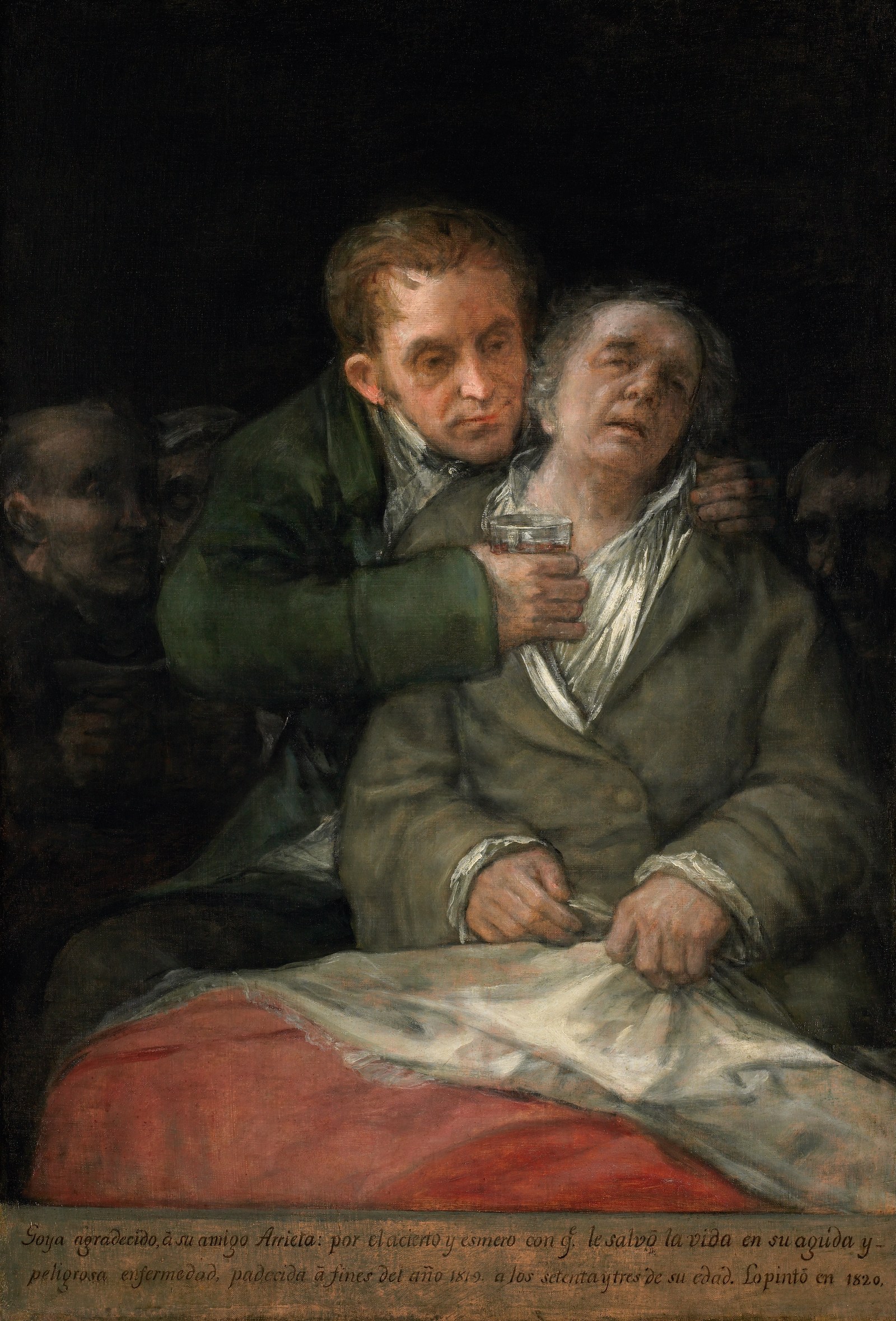
Self-Portrait with Dr Arrieta — Francisco de Goya

Self-Portrait with Dr Arrieta

Francisco de Goya

“Self-Portrait with Dr Arrieta” was painted in 1820. At the end of 1819 [[artist:521|Francisco de Goya]] fell seriously ill, and his friend, the doctor Eugenio Arrieta, saved him. In “Self-Portrait with Dr Arrieta” Goya sits in bed, pale and exhausted, clutching the sheet. Behi…

Read the story →
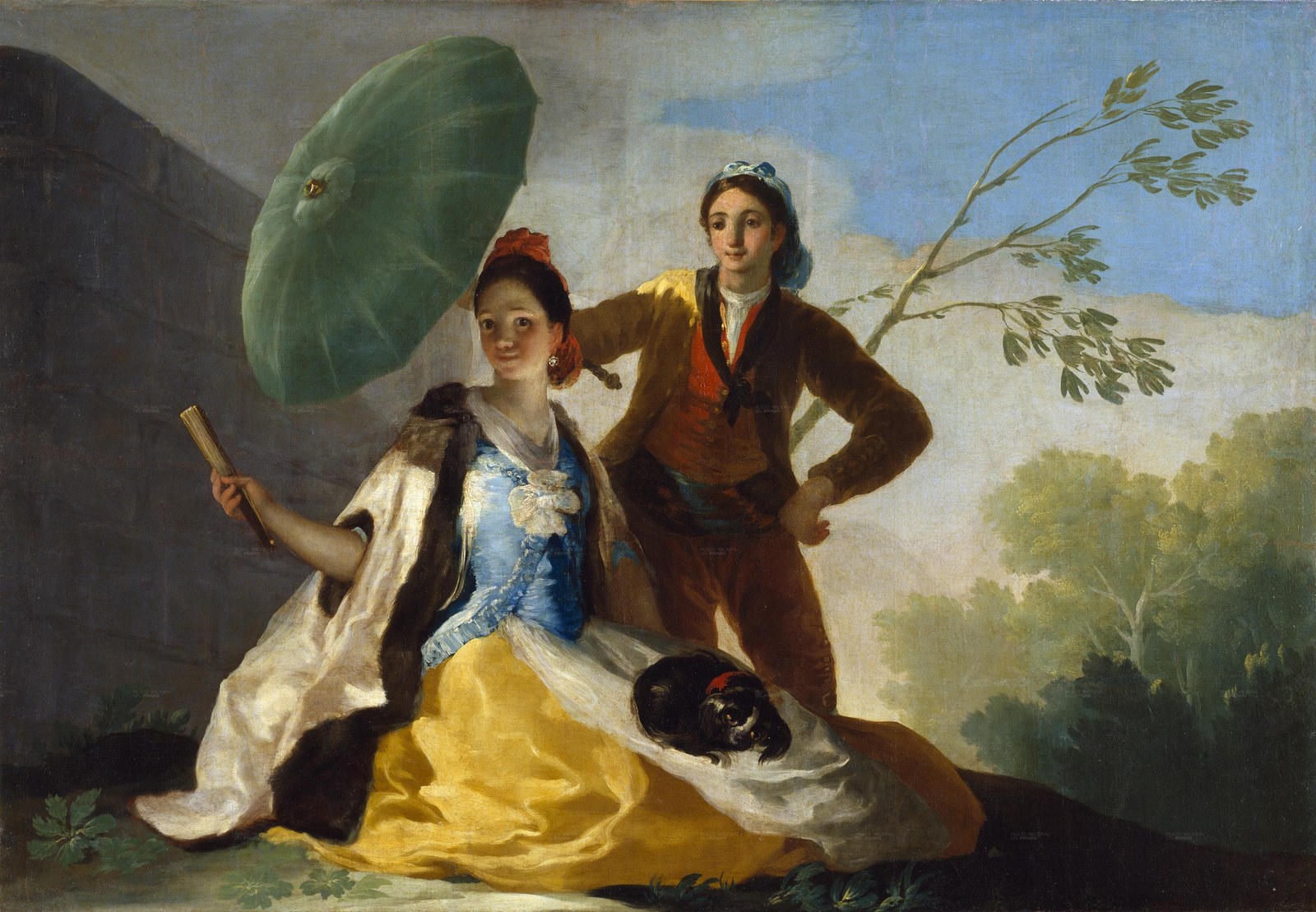
The Parasol — Francisco de Goya

The Parasol

Francisco de Goya

“The Parasol” was painted around 1777. It is a cartoon by [[artist:521|Francisco de Goya]] – a large painting from which the weavers made a tapestry for the dining room of the Prince and Princess of Asturias in the palace of El Pardo. In “The Parasol” a young lady sits on the g…

Read the story →
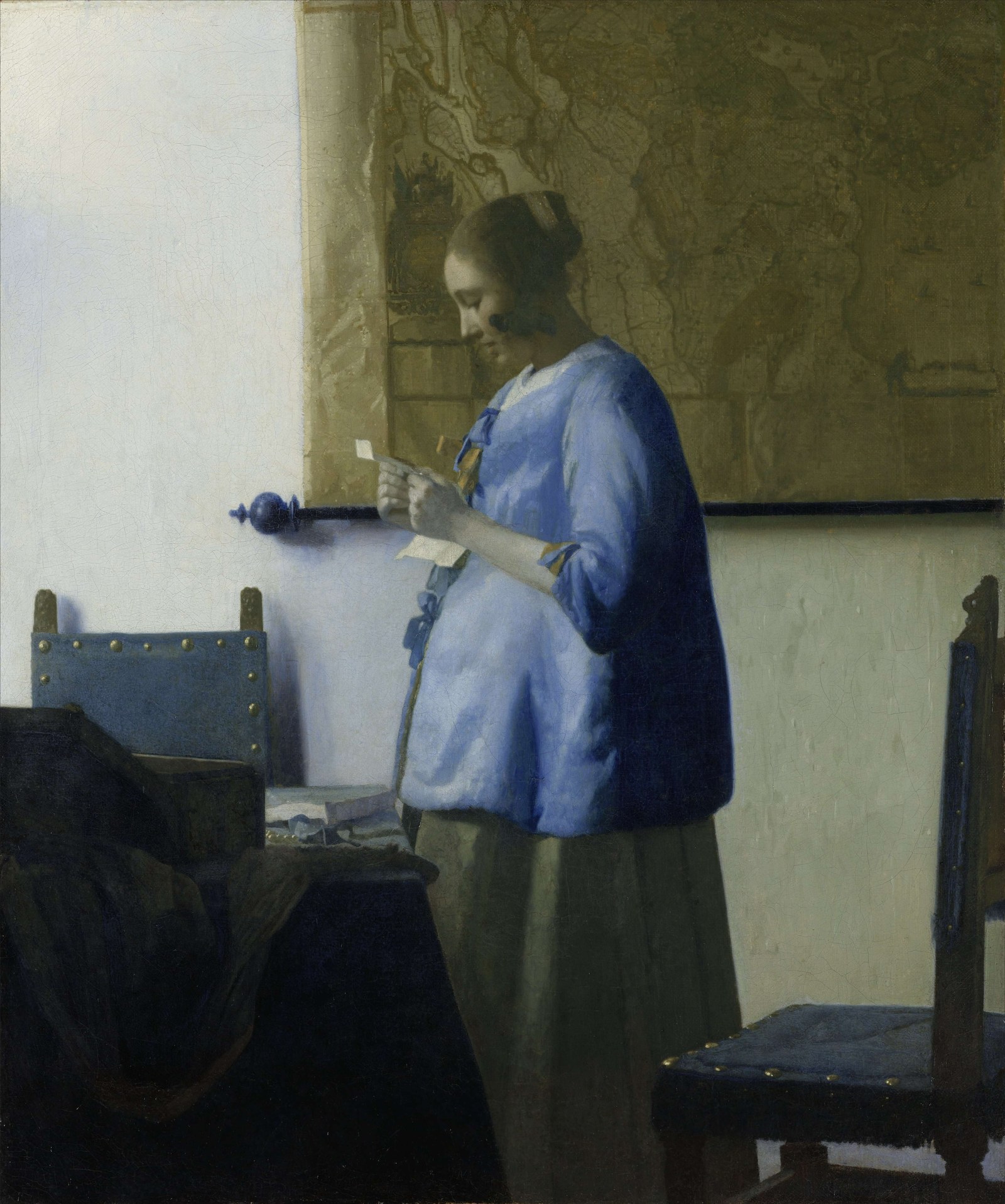
Woman in Blue Reading a Letter — Johannes Vermeer

Woman in Blue Reading a Letter

Johannes Vermeer

“Woman in Blue Reading a Letter” was painted around 1663 in Delft. [[artist:1786|Johannes Vermeer]] once again painted a young woman alone in a room with a letter in her hands. But this time everything is immersed in blue. In “Woman in Blue Reading a Letter” the woman stands in…

Read the story →