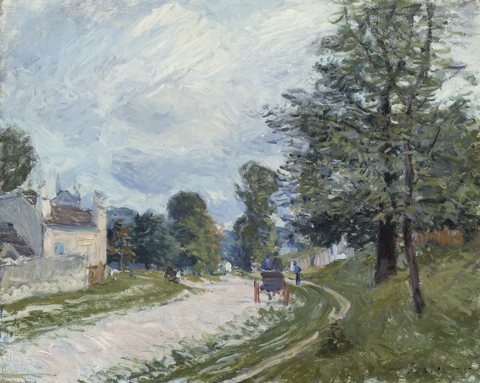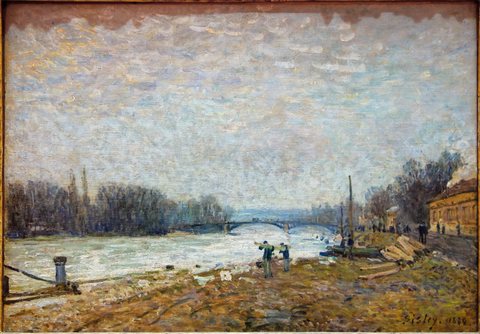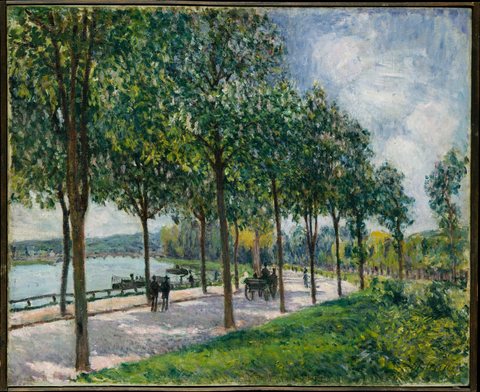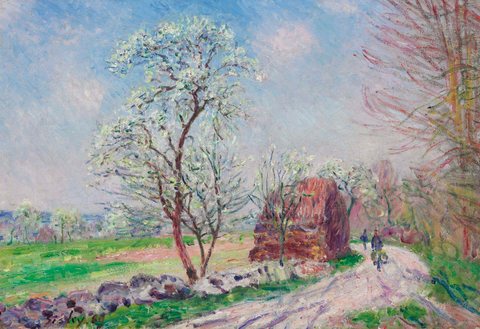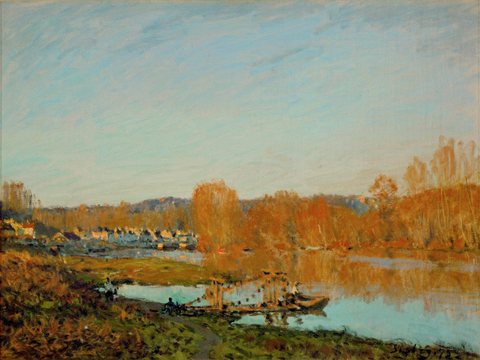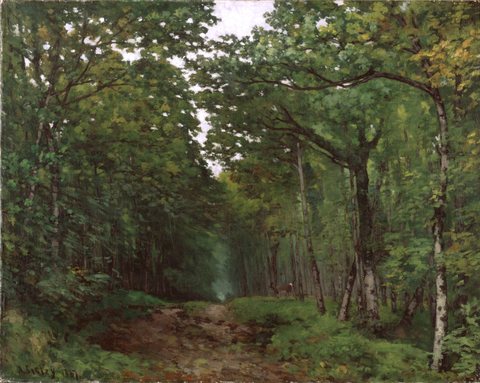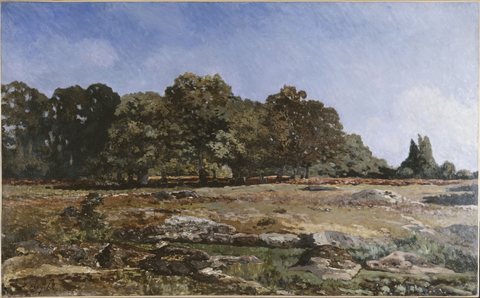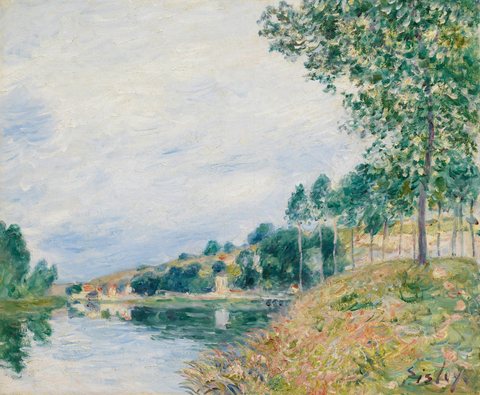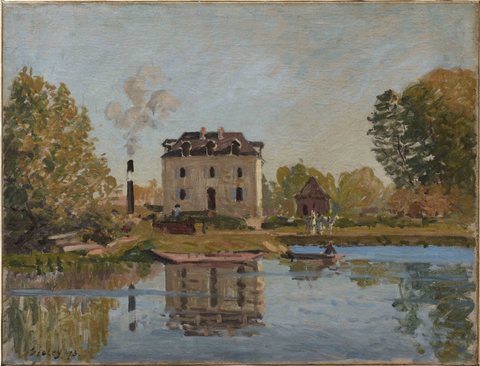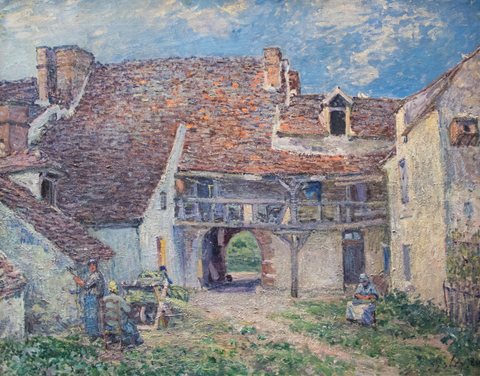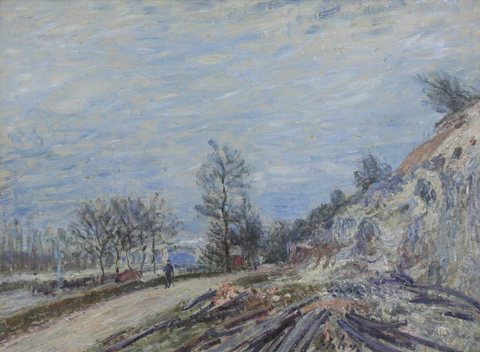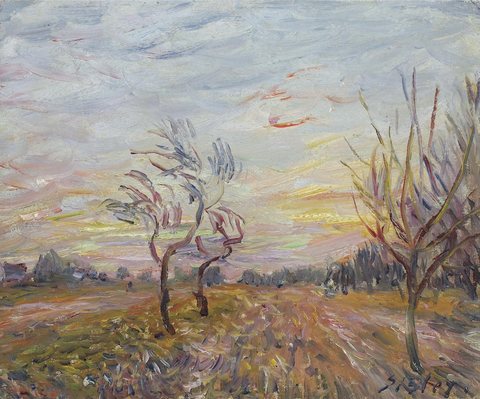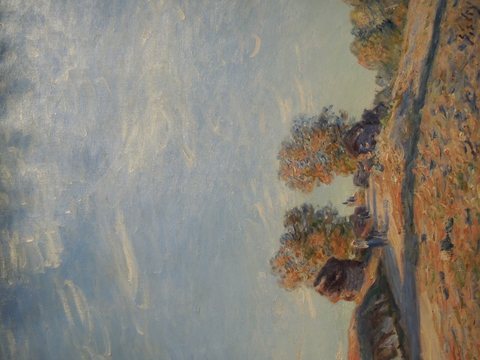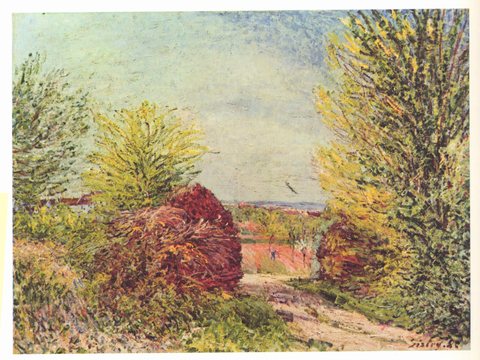
Альфред Сислей
Французский, 1839–1899, Импрессионизм
История жизни
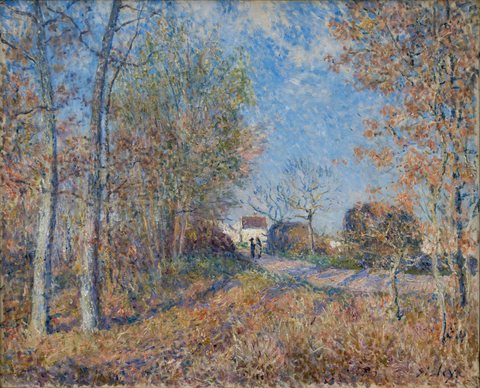
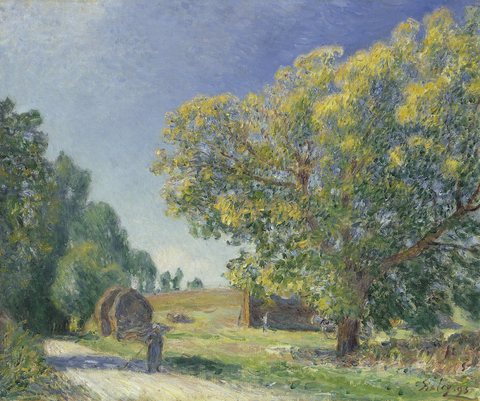
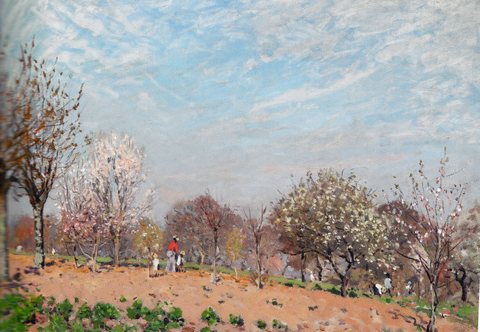
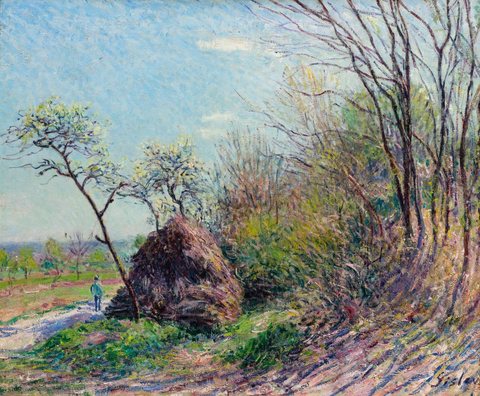
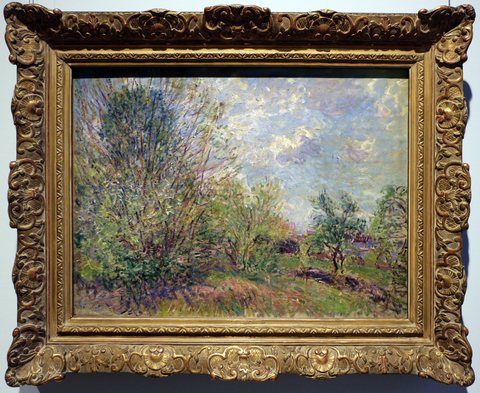
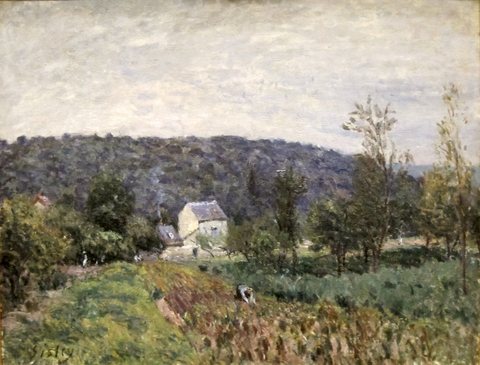
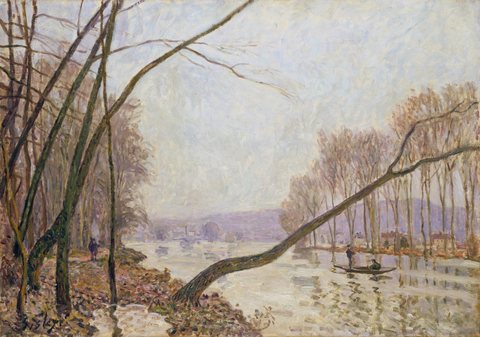
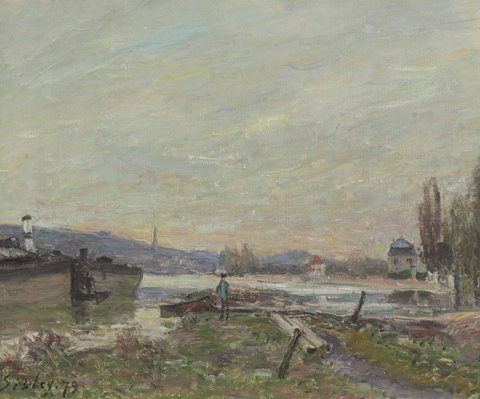
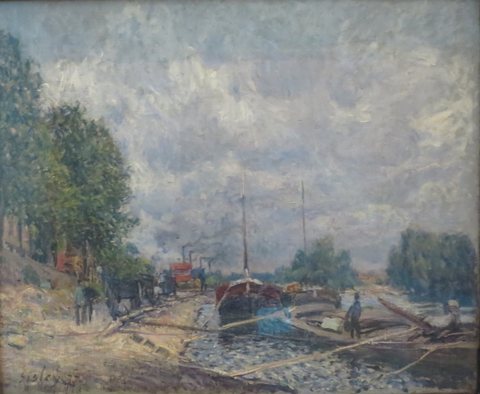
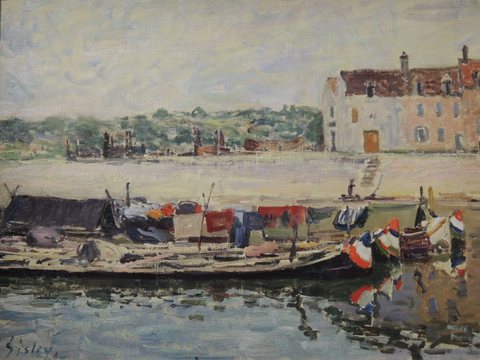
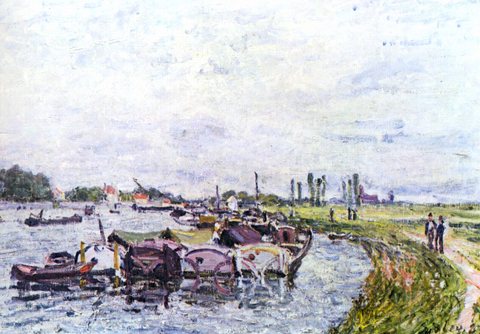
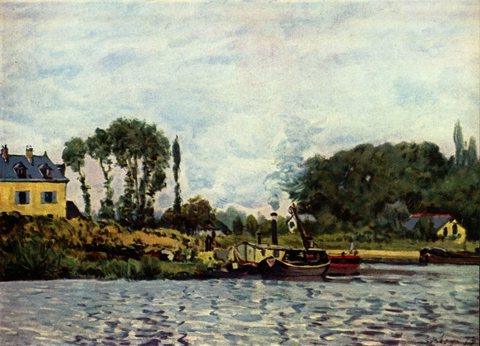
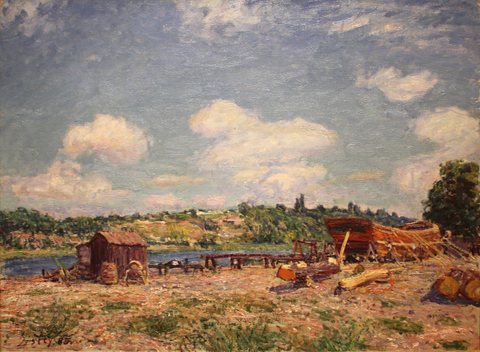
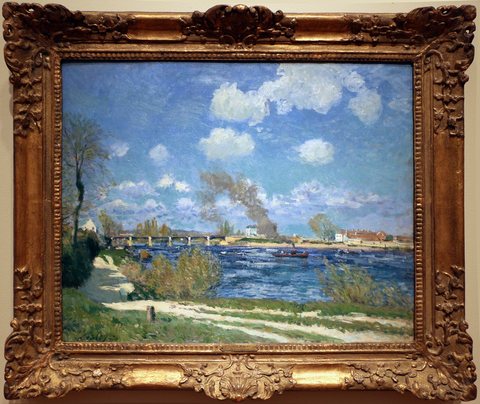
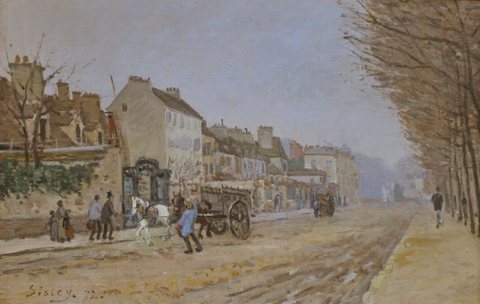
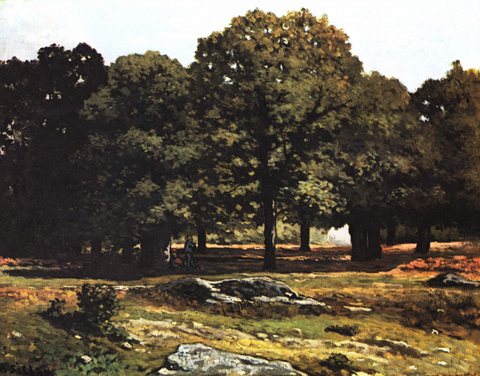
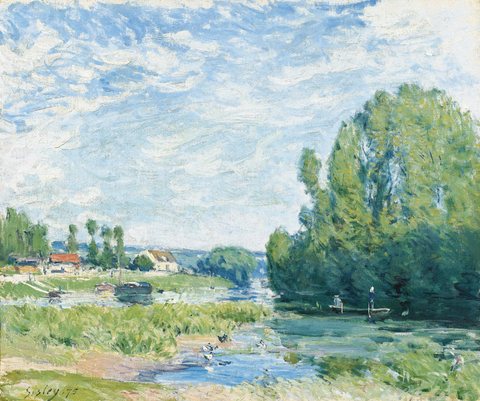
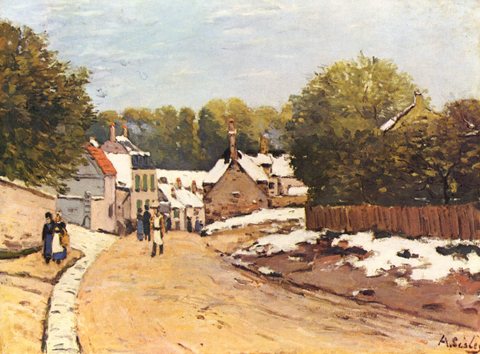
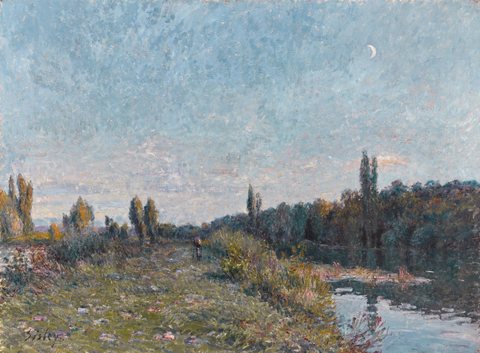
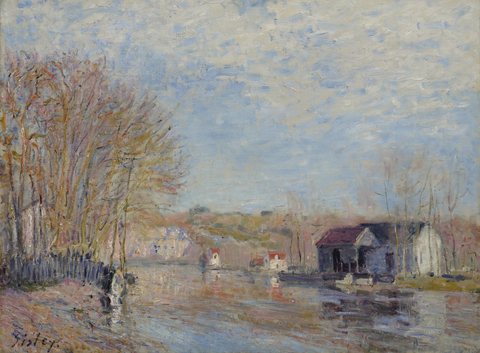
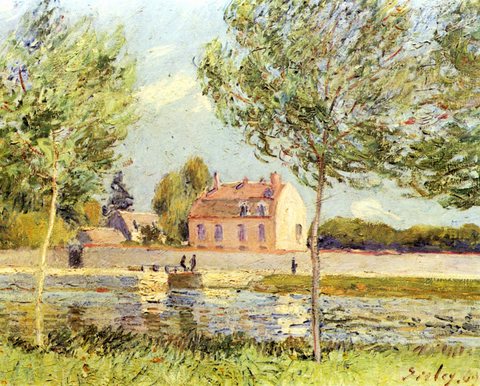
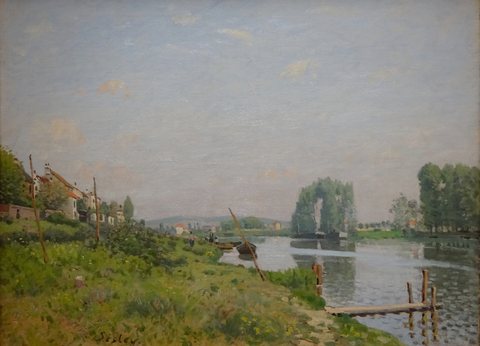
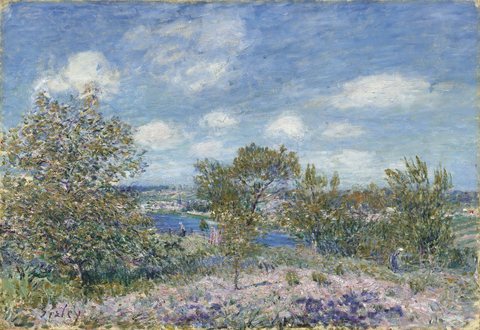
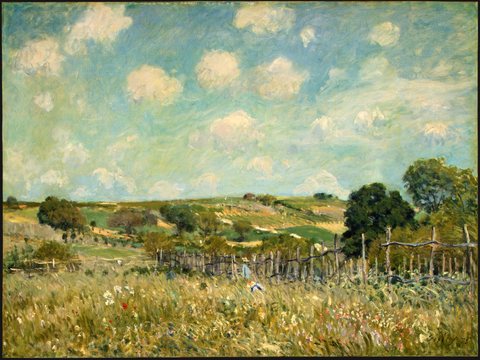
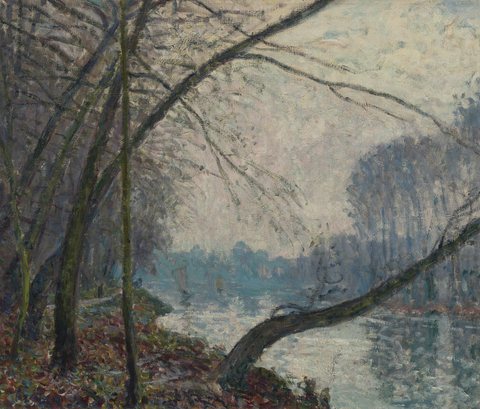
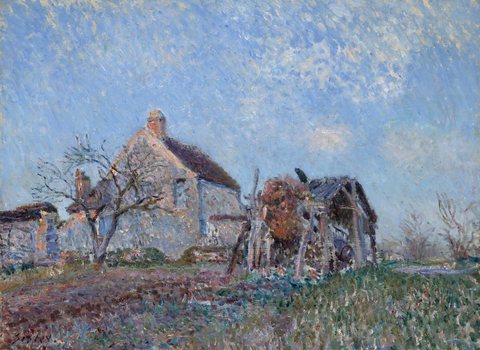
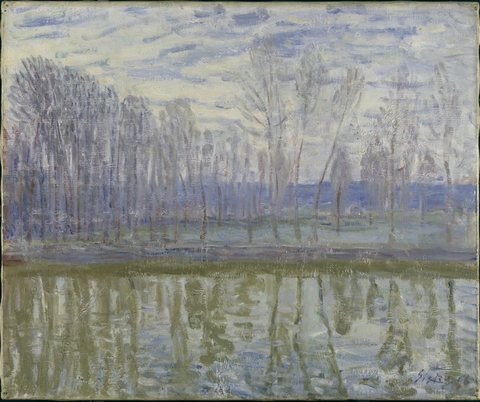
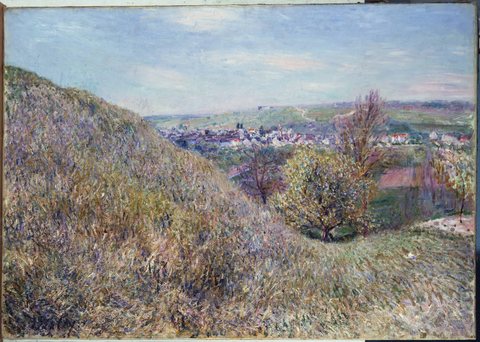
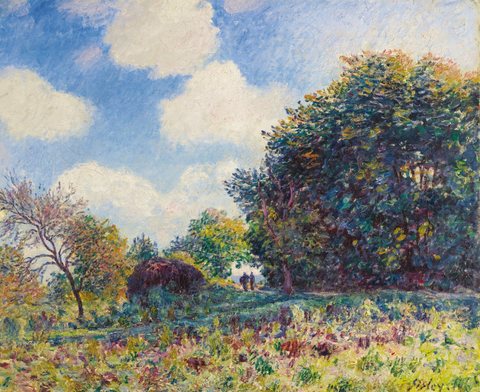
Alfred Sisley is the painter of quiet rivers, cloudy skies and the snowy streets of small French towns. He was one of the founders of Impressionism, together with Monet, Renoir and Pissarro. All his life he painted almost nothing but landscapes. In his lifetime few people knew him, and he died poor. Only a year after his death one of his paintings sold for a huge sum, and the world understood what a great painter it had lost.
A childhood in a wealthy family
Alfred Sisley was born in Paris on 30 October 1839. His parents were English. His father William traded in silk, and the family was well off. His mother Felicia loved music. So Sisley grew up in France, but he remained a British subject until the end of his life.
At 18, in 1857, his father sent him to London to learn business. Alfred stayed there for four years, but trade did not interest him. It is thought that in London he looked at the paintings of the English landscape painters John Constable and Joseph Mallord William Turner. In 1861 he returned to Paris with one wish – to paint.
Gleyre's studio
In 1862 Sisley began to study in the studio of the Swiss painter Charles Gleyre in Paris. There he met three young men who would change art: Claude Monet, Pierre-Auguste Renoir and Frederic Bazille. The four became friends. They left the dark studio and went to paint outdoors – in the forest of Fontainebleau, by the rivers and in the villages around Paris.
In 1867 Sisley and Bazille painted the same dead birds in Bazille's studio. This is how the painting The Heron was born. At the same time Renoir painted Bazille himself at his easel. Both paintings are today in the city of Montpellier.
In the evenings the friends met at the Café Guerbois in Paris, near where Sisley lived. Édouard Manet came there too, along with writers and critics. The young painters argued late into the night about light, about colour and about how the new world should be painted. Sisley was quiet and reserved. He listened more than he talked.
In 1866 Sisley met Eugénie Lescouezec, whom everyone called Marie. She was from Brittany, older than him, and lived in Paris. The two lived together for more than thirty years but married only at the very end. In 1867 their son Pierre was born, and in 1869 their daughter Jeanne.
War and poverty
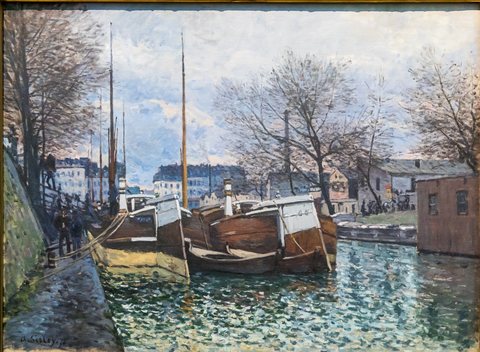
While his father was rich, Sisley lived comfortably. He painted for pleasure and was in no hurry to sell. In 1870 the Salon jury accepted his painting View of the Canal Saint-Martin. It seemed that his path was open.
The painting shows a canal in Paris – calm water, sky and reflections. Later it came into the hands of Dr Paul Gachet, a friend of many painters, who bought it for only 170 francs. Today it is in the Musée d'Orsay in Paris.
But that same year the war between France and Prussia began. His father's business collapsed, and soon afterwards his father died. Sisley also lost his belongings in his home near Paris. From a rich son he suddenly became a poor painter with a wife and two children. For the rest of his life he would live from selling his paintings, and they sold with difficulty and cheaply.
The small towns along the Seine
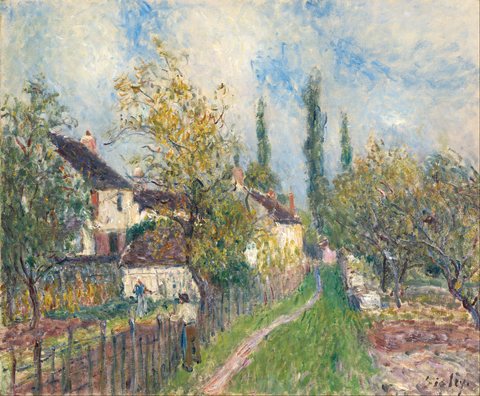
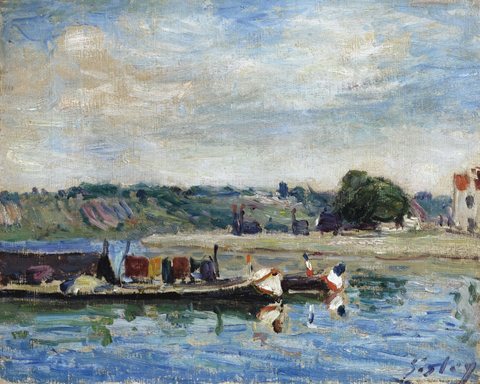
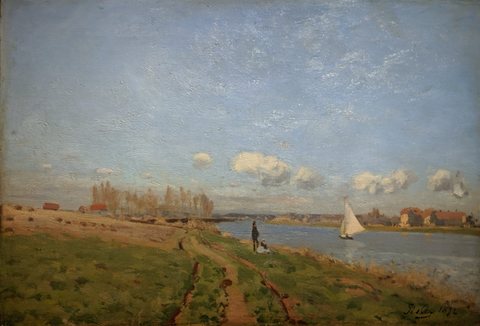
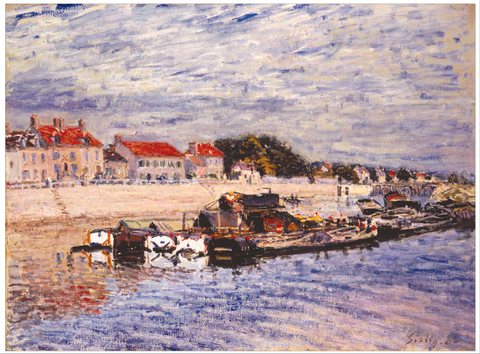
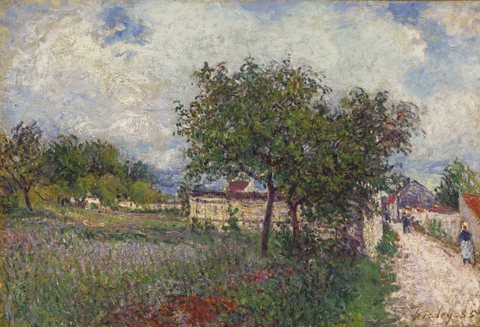
Sisley moved with his family to the small towns west of Paris – Louveciennes, Marly-le-Roi, Bougival. Life was cheaper there, and nature was close at hand. He painted the river, the roads, the bridges and the village houses. The art dealer Paul Durand-Ruel began to buy from him. In 1872 he sold him the painting Villeneuve-la-Garenne.
Around the town of Villeneuve-la-Garenne Sisley painted at least five pictures. One of them was later bought by the Russian collectors, the Shchukin brothers, and today it is in the Hermitage in Saint Petersburg. So Sisley's quiet French landscapes travelled all the way to Russia.
In 1874 Sisley and his friends held their own exhibition, without the Salon and without the jury. It took place in the former studio of the photographer Nadar. A critic mocked a painting by Monet and called them all “Impressionists”. The name stuck forever. Sisley took part in the first exhibition, and later in those of 1876, 1877 and 1882.
Summer in England
That same summer, in 1874, the opera singer Jean-Baptiste Faure, who collected Impressionist paintings, invited Sisley to England. Faure paid for the trip and bought six of his paintings. Sisley spent four months by the Thames, near the palace of Hampton Court.
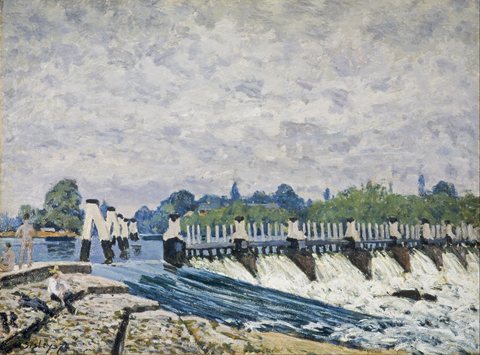
There he painted almost twenty pictures – the river, the boats, the people and the bridges. Among them are Bridge at Hampton Court and The Regatta at Molesey. His colours became brighter and more festive, even though England is a cloudy country. The English art historian Kenneth Clark called these paintings “a perfect moment of Impressionism”.
In 1894 the painter and collector Gustave Caillebotte left his collection to the French state. It included “The Regatta at Molesey”. So a painting by Sisley entered a state museum while he was still alive.
The flood
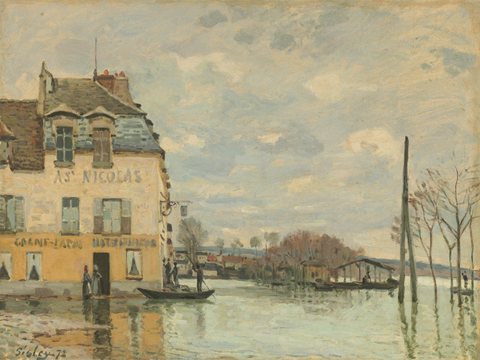
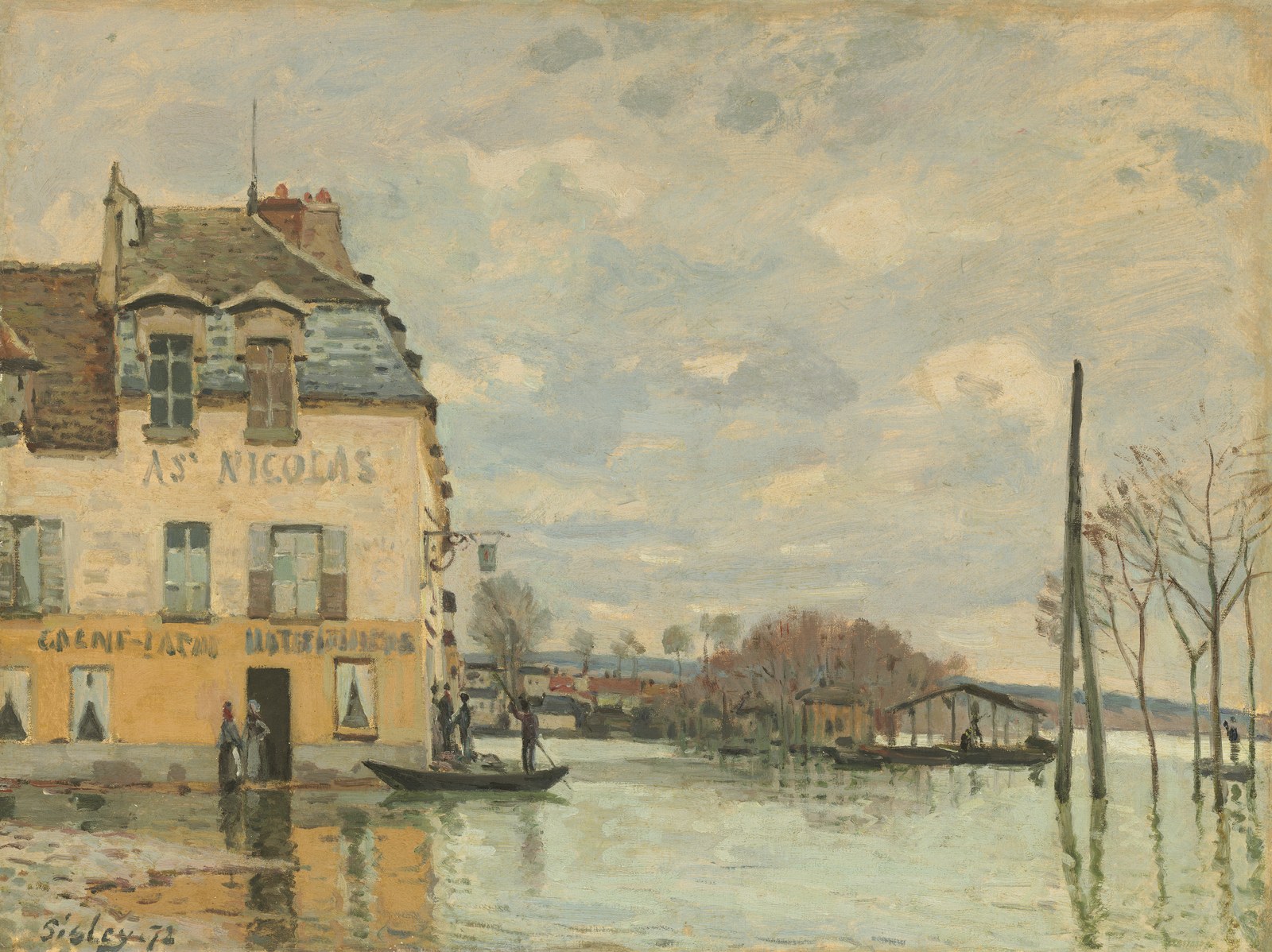
In the spring of 1876 the Seine burst its banks and flooded the town of Port-Marly. For the people it was a disaster. For Sisley it was a miracle of light and water. He painted the streets turned into a river and the inn standing in the middle of the water. This is how several paintings were born, among them The Flood at Port-Marly – his most famous work.
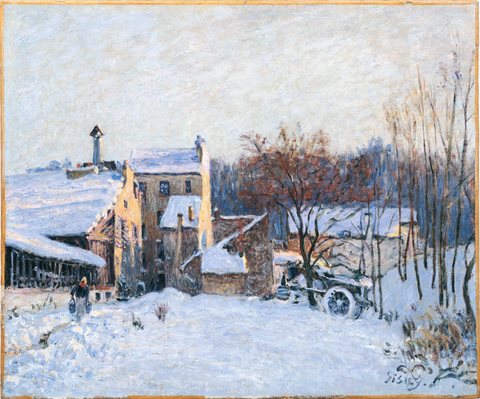
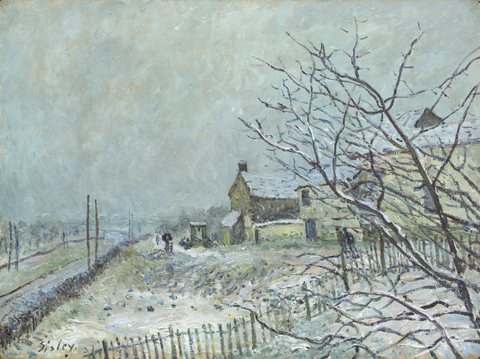
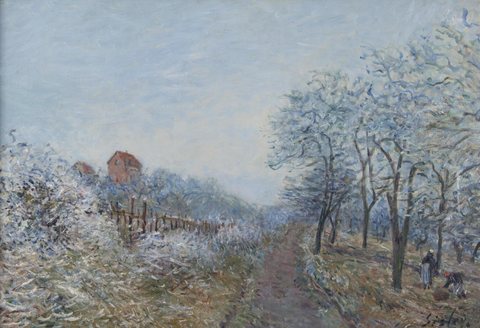
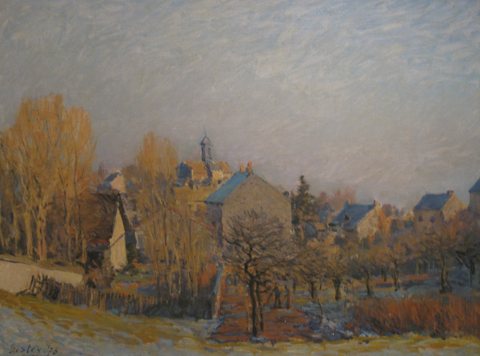
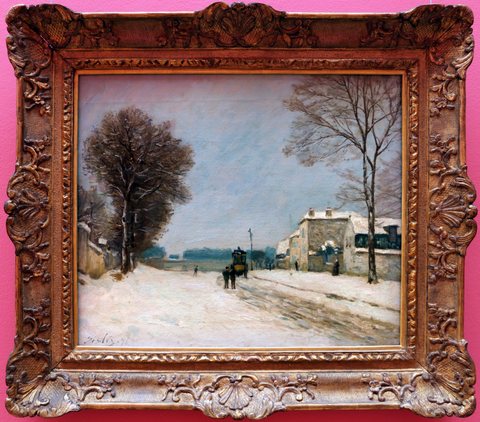
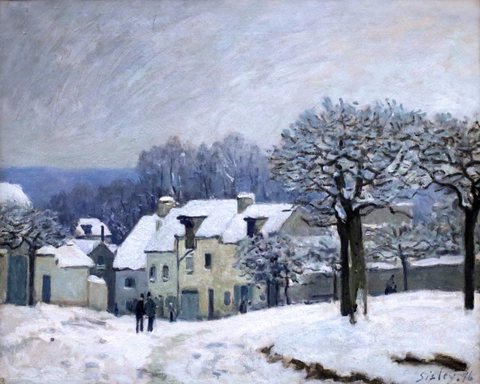
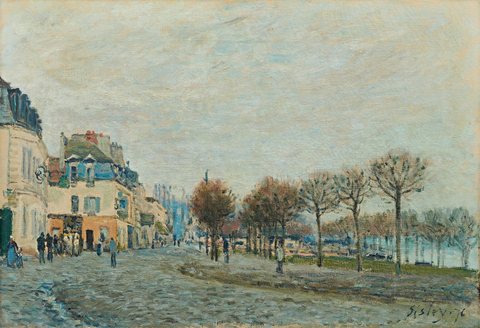
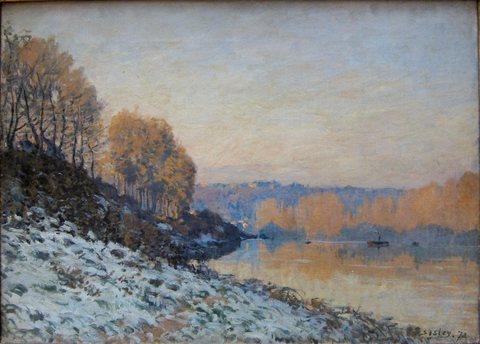
Winter inspired him too. He loved the snow that muffles every sound. In Snow at Louveciennes a woman with an umbrella walks alone down a snowy lane. The painting is so quiet that you can almost hear it.
Years of need
In 1875 the friends held an auction of their paintings in Paris. The public jeered, and the prices were very low. Sisley often wrote letters to buyers and friends asking for money. He painted tirelessly, but success did not come. Monet and Renoir gradually became famous. Sisley remained in the shadow.
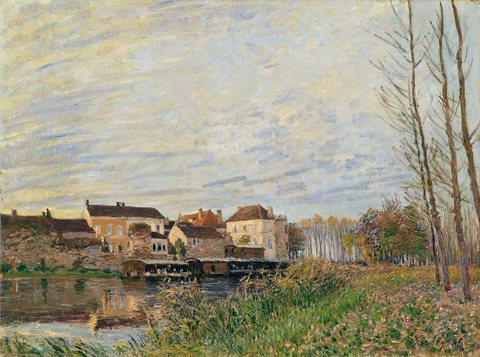
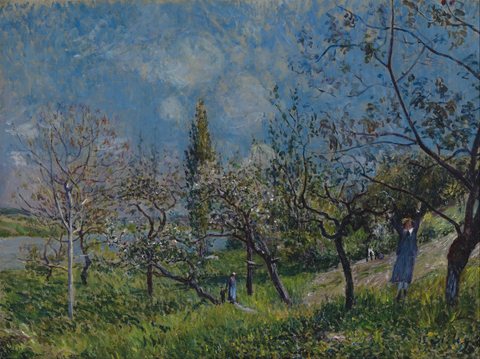
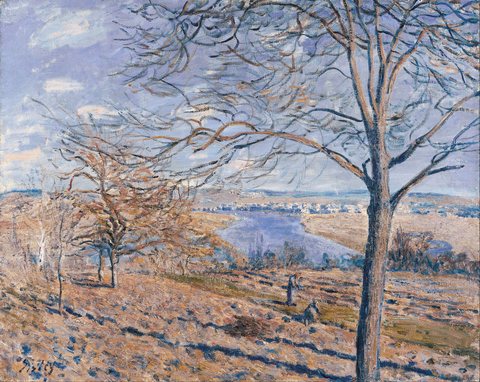
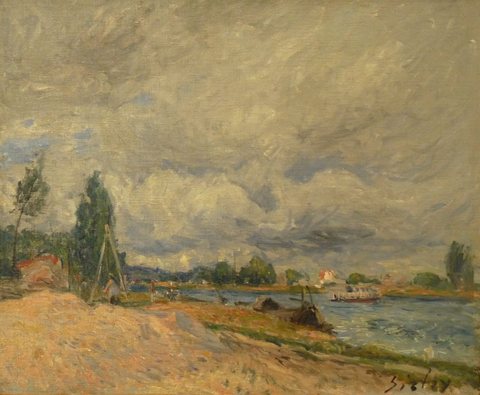
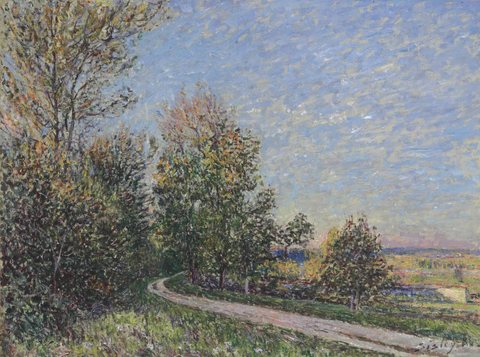
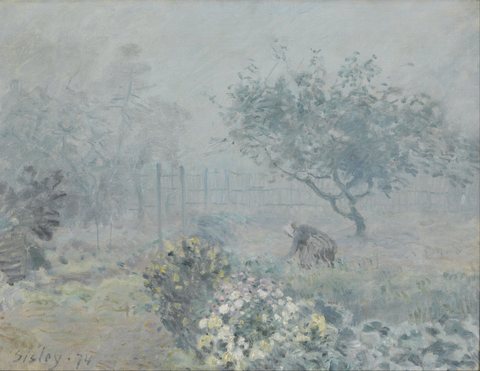
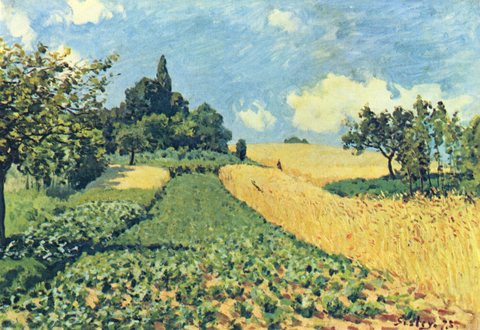
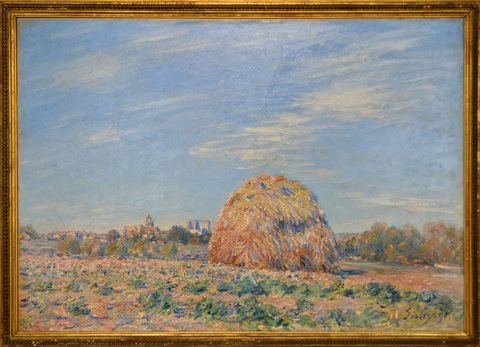
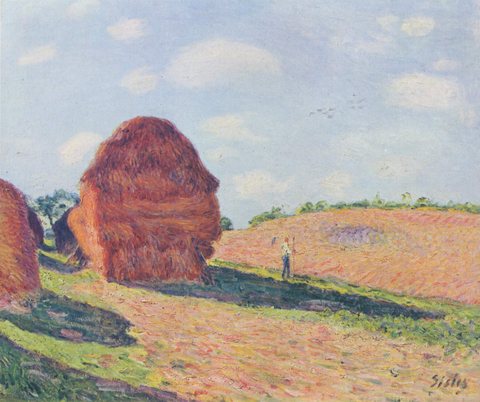
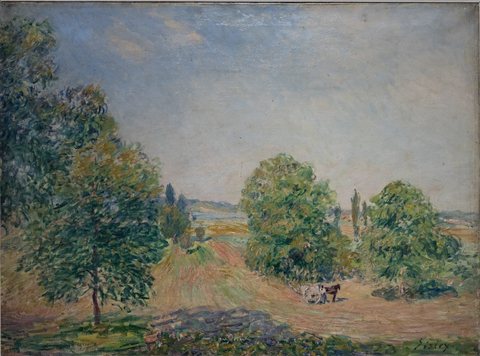
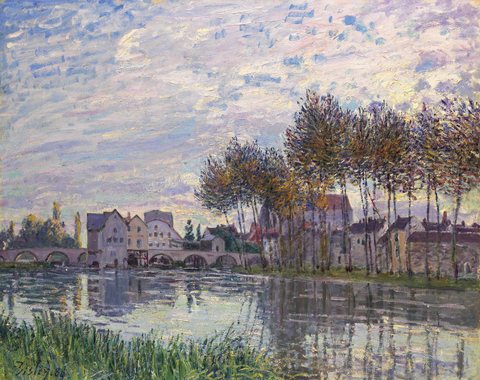
It is said that he always began a painting with the sky. For him the sky was not just a background, but the heart of the landscape. Indeed, in his paintings the clouds, the mist and the light often fill half the canvas.
Moret-sur-Loing
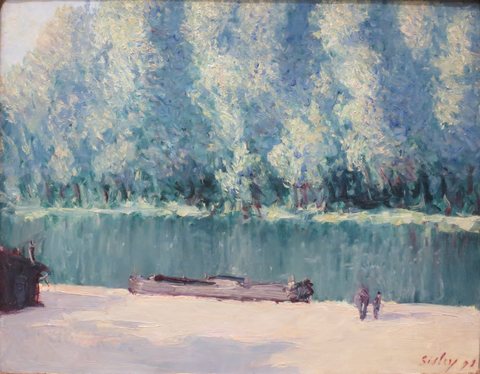
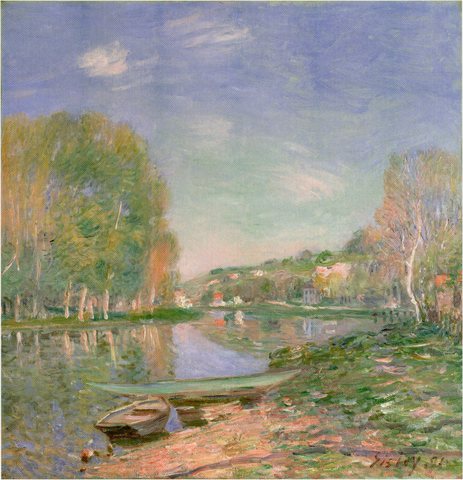
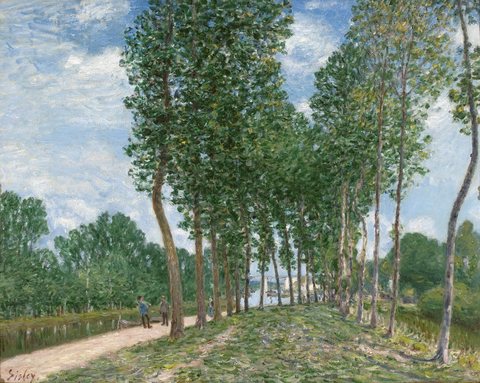
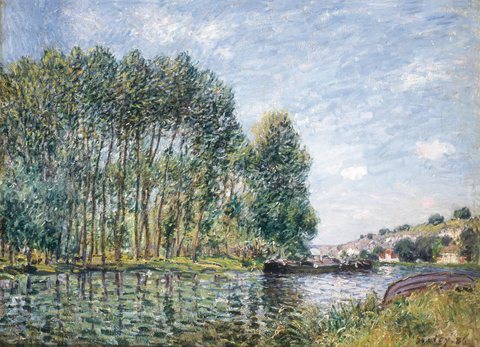
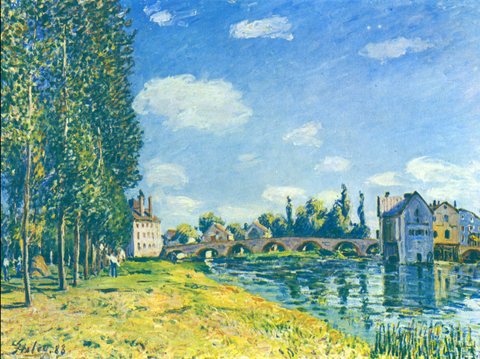
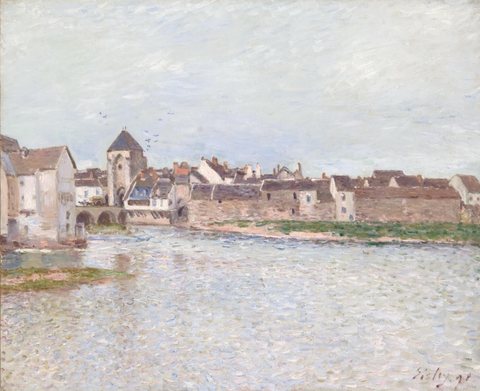
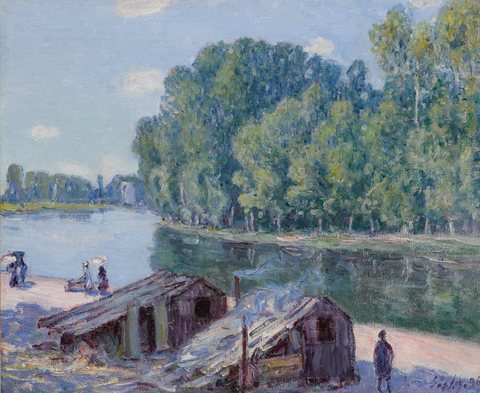
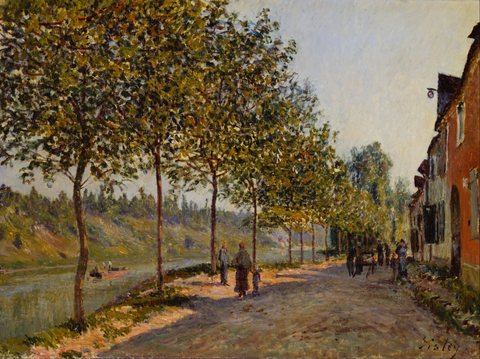
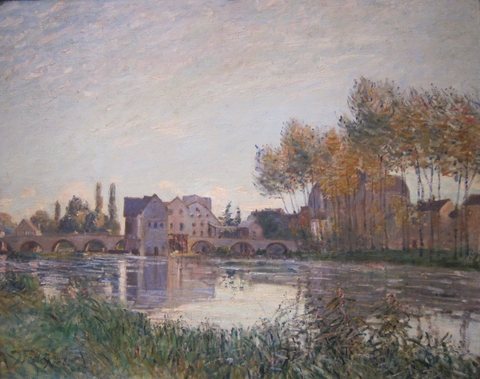
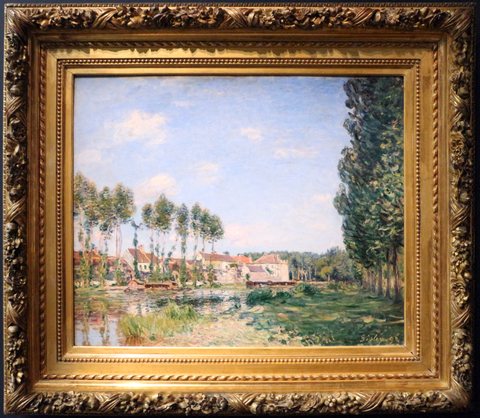
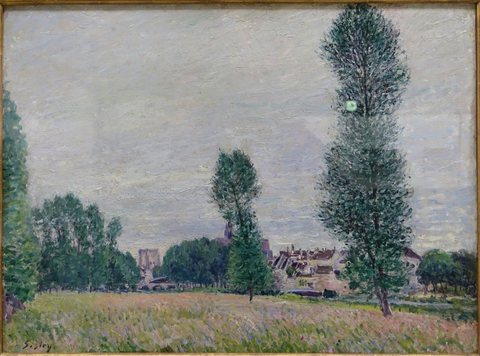
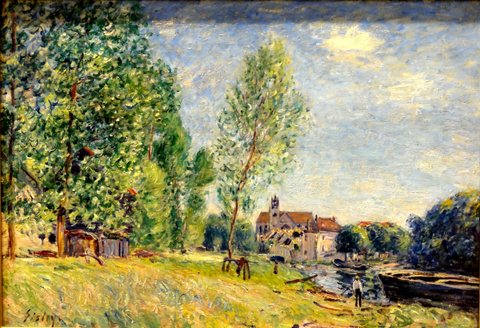
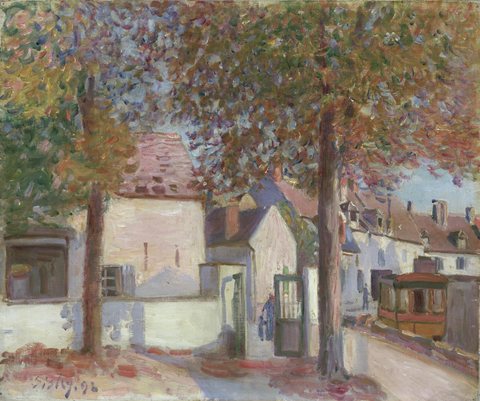
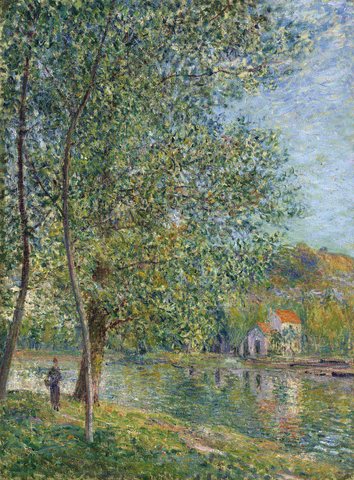
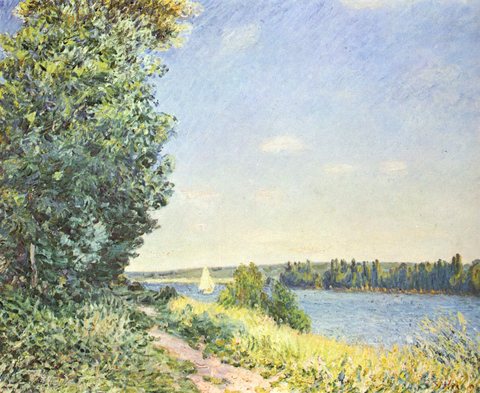
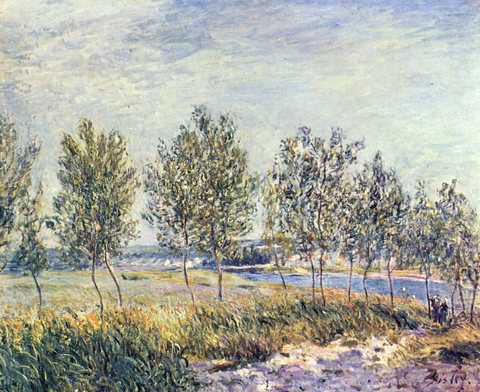
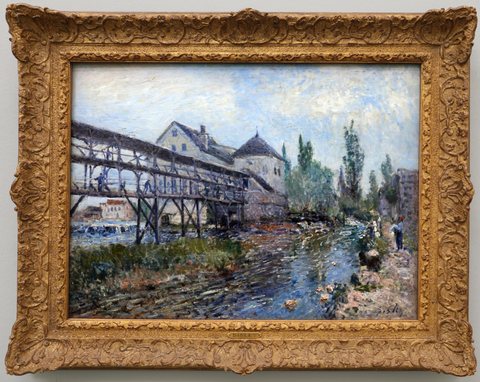
In 1880 Sisley moved with his family to the area around the town of Moret-sur-Loing, near the forest of Fontainebleau. He stayed there for the rest of his life. He painted the river Loing, the poplars, the bridge, the mills and the barges. In 1892 he wrote in a letter that it was in Moret, amid this dense nature, with its tall poplars and the beautiful, transparent and changing waters of the Loing, that his art had developed the most.
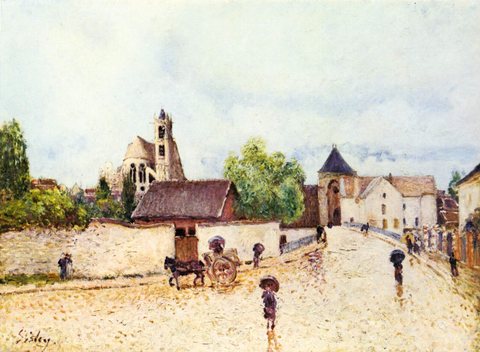
In Moret he painted the old Gothic church again and again. At different hours and in different weather it looks different – in the sun, in the evening, after the rain. One of these paintings is The Church at Moret, Rainy Weather, Morning. At the same time his friend Monet was painting similar series.
Sisley sold his paintings mainly through Durand-Ruel and through the gallery owner Georges Petit. Durand-Ruel also showed the Impressionists in New York. Shortly before Sisley's death, one of his paintings of the town of Saint-Mammès was bought by a museum in Pittsburgh – his first painting in an American museum.
In 1897 a large exhibition of Sisley's work with 146 paintings opened in Paris. It is said that not a single one was sold.
A wedding in Wales
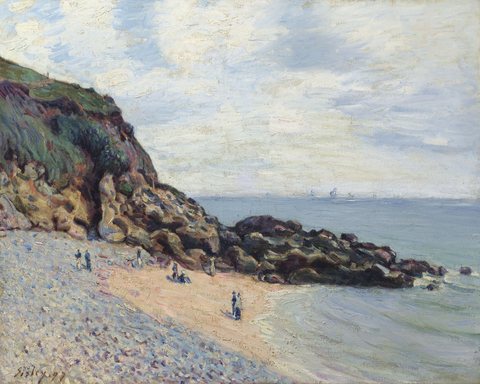
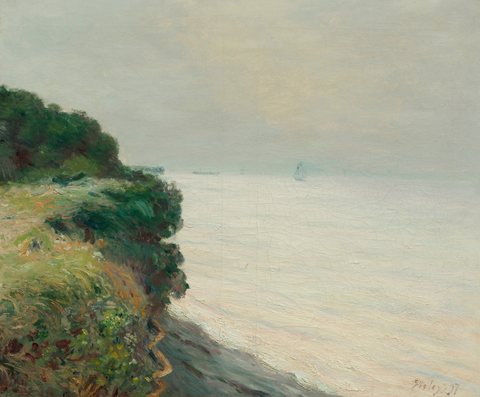
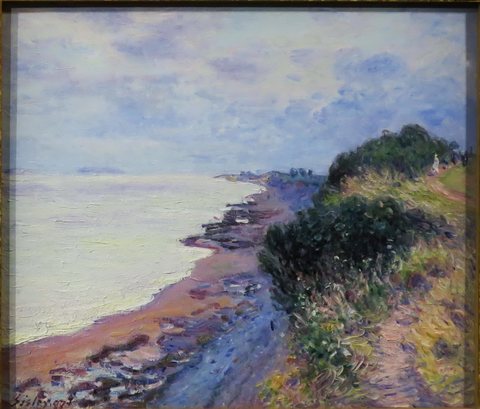
That same summer Sisley and Marie travelled to Great Britain. On 5 August 1897 they finally married in the city of Cardiff, after thirty years together. Then they stayed on the coast of Wales, at Penarth and at Langland Bay. There Sisley painted the sea and the rocks – something new for him. It was his last journey.
At Penarth he painted at least six pictures, and at Langland Bay, where he stayed at the Osborne Hotel, at least eleven. The rocks, the waves and the light over the sea excited him like a young painter. In October the two returned to France.
Sisley lived all his life in France and wanted to become French. In 1897 and 1898 he applied for French citizenship, but he did not manage to obtain it. He died a British subject.
The last years
In October 1898 Marie died. Sisley himself was already seriously ill with throat cancer. On 13 January 1899 he wrote to his doctor that he was “broken by pain”. Before his death he sent for his friend Monet and entrusted his children to him.
Alfred Sisley died in Moret-sur-Loing on 29 January 1899, aged 59. His friend Adolphe Tavernier wrote that same year: “Our poor friend Sisley, alas, will not live to see the final triumph, which is near.”
Fame after death
Tavernier was right. In 1900 Count Isaac de Camondo bought The Flood at Port-Marly for 43,000 francs – a record price for a painting by Sisley. About twenty years earlier the same painting had been sold for hundreds of times less.
Stolen and fake paintings
Fame also brought misfortune. As Sisley's paintings became expensive, many fakes appeared. Some of his canvases were looted by the Nazis during the Second World War. Some have been returned to the families of their owners only in our own time, and others have still not been found.
The painting “Avenue of Poplars at Moret” was stolen from the museum in Nice no fewer than three times – in 1978, 1998 and 2007. In June 2008 the police found it in a van in Marseille.
The legacy
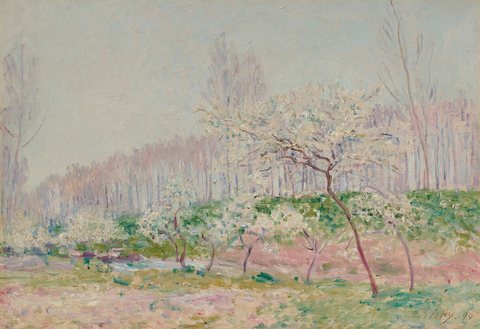
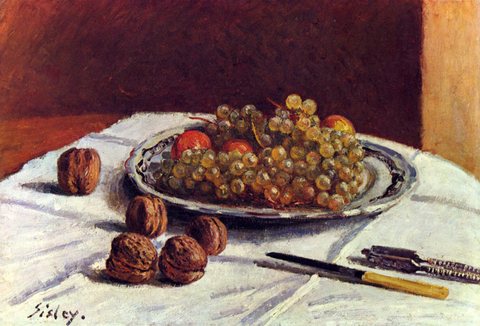
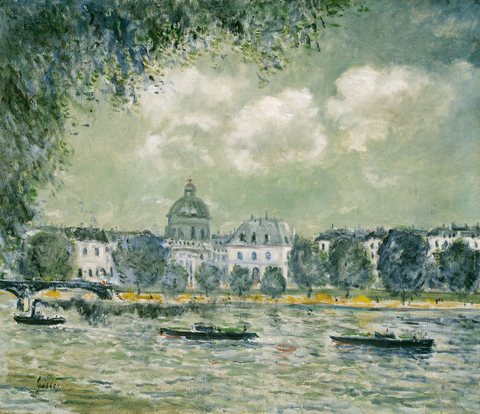
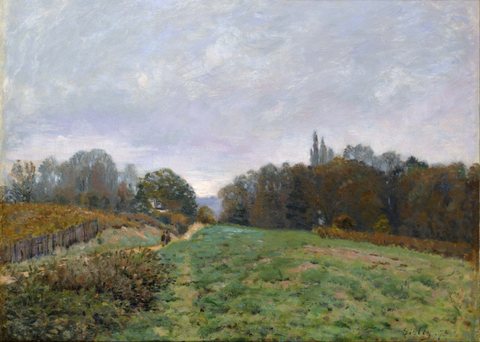
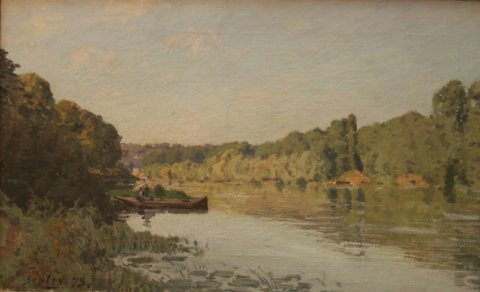
Today about 900 oil paintings and about 100 pastels are attributed to Sisley. His paintings are in the greatest museums of the world. In 2017 one of his snow scenes of Louveciennes sold in London for more than 9 million dollars. He remains the purest landscape painter among the Impressionists – the painter who all his life painted sky, water and silence.
Самые известные произведения
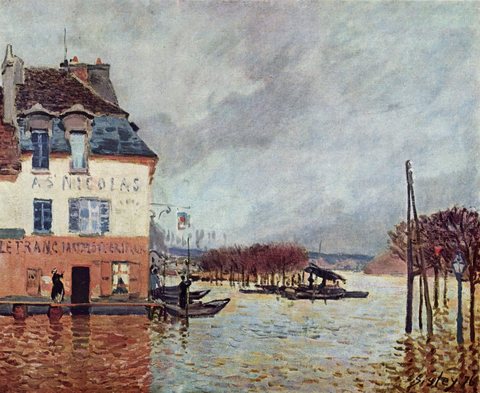 Наводнение в Пор-МарлиThe inn in the middle of the water, 1876. Musée d'Orsay, Paris.
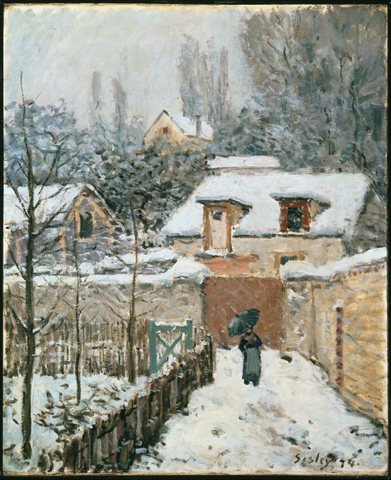 Снег в ЛувесьеннеA lonely woman in the snow, 1878. Musée d'Orsay, Paris.
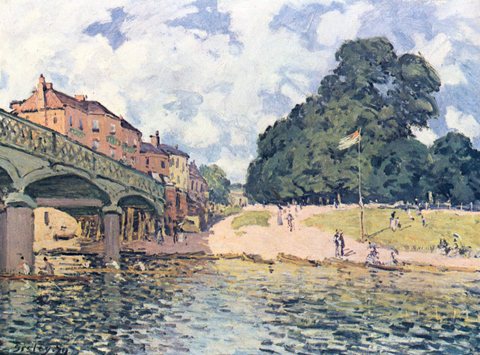 Мост в Хэмптон-КортеThe bridge over the Thames, 1874. Wallraf-Richartz Museum, Cologne.
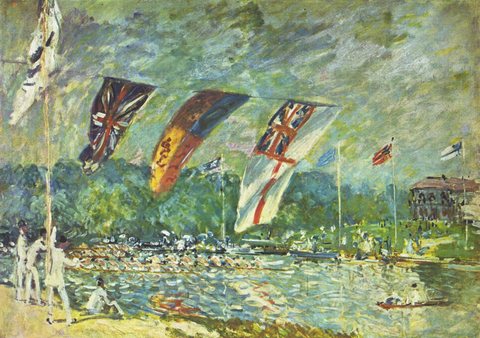 Регата в МоулсиA festival of flags on the river, 1874. Musée d'Orsay, Paris.
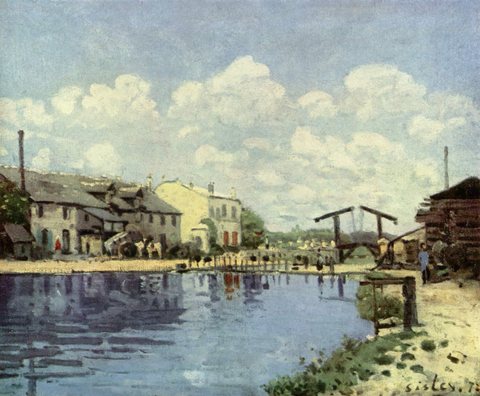 Вид на канал Сен-МартенThe calm water of a Paris canal, 1870. Musée d'Orsay, Paris.
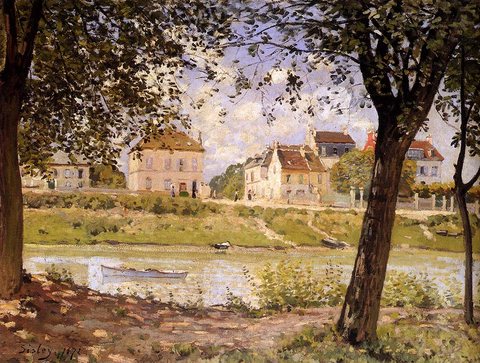 Вильнёв-ла-ГареннThe village on the bank of the Seine, 1872. Hermitage Museum, Saint Petersburg.
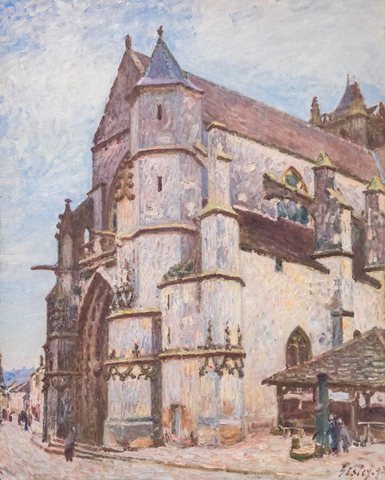 Церковь в Море, дождливое утроThe old church in the rain, 1893. Hunterian Art Gallery, Glasgow.
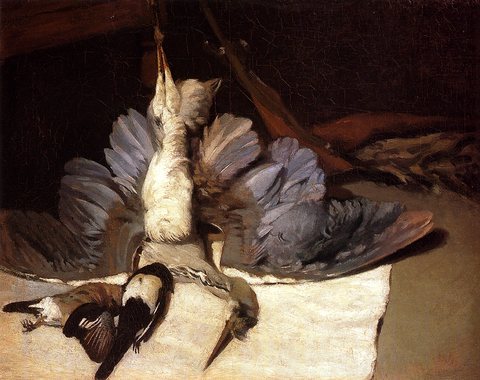 ЦапляThe birds from Bazille's studio, 1867. Musée Fabre, Montpellier.
Хронология
- 1839Born in Paris on 30 October
- 1857Goes to London to learn business
- 1861Returns to Paris
- 1862Gleyre's studio; meets Monet, Renoir and Bazille
- 1866Meets Marie
- 1867“The Heron”; his son Pierre is born
- 1869His daughter Jeanne is born
- 1870“View of the Canal Saint-Martin” at the Salon; his father's ruin
- 1872“Villeneuve-la-Garenne”
- 1874The first Impressionist exhibition; summer in England
- 1876“The Flood at Port-Marly”
- 1878“Snow at Louveciennes”
- 1880Moves to the area around Moret-sur-Loing
- 1893The series of the church at Moret
- 1894Caillebotte's collection goes to the state
- 1897Large exhibition in Paris; wedding in Cardiff; Wales
- 1898Marie dies
- 1899Dies in Moret-sur-Loing on 29 January
- 1900Record price for “The Flood at Port-Marly”
Где их увидеть
Интересные факты
Alfred Sisley was born in France and lived there all his life, but he died a British subject.
Sisley and Marie lived together for more than thirty years and married only in 1897, in Cardiff.
The opera singer Jean-Baptiste Faure paid for Sisley's trip to England in 1874 and bought six of his paintings.
In four months by the Thames in 1874 Sisley painted almost twenty pictures.
Kenneth Clark called Sisley's English paintings “a perfect moment of Impressionism”.
In 1867 Sisley and Bazille painted the same dead birds in Bazille's studio, while Renoir painted Bazille at the same time.
Dr Gachet bought “View of the Canal Saint-Martin” for only 170 francs.
It is said that Sisley always began a painting with the sky.
Sisley painted the church at Moret many times – in the sun, in the evening, after the rain.
At Sisley's large exhibition in 1897, 146 paintings were shown.
In 1900 “The Flood at Port-Marly” sold for 43,000 francs – a record for Sisley.
About 900 oil paintings and about 100 pastels are attributed to Sisley.
The painting “Avenue of Poplars at Moret” was stolen from the museum in Nice three times.
In 2017 a snow scene of Louveciennes by Sisley sold in London for more than 9 million dollars.