Polski
1 online · 1 dzisiaj
Obraz dnia →

strona 6 — Pictavera

 
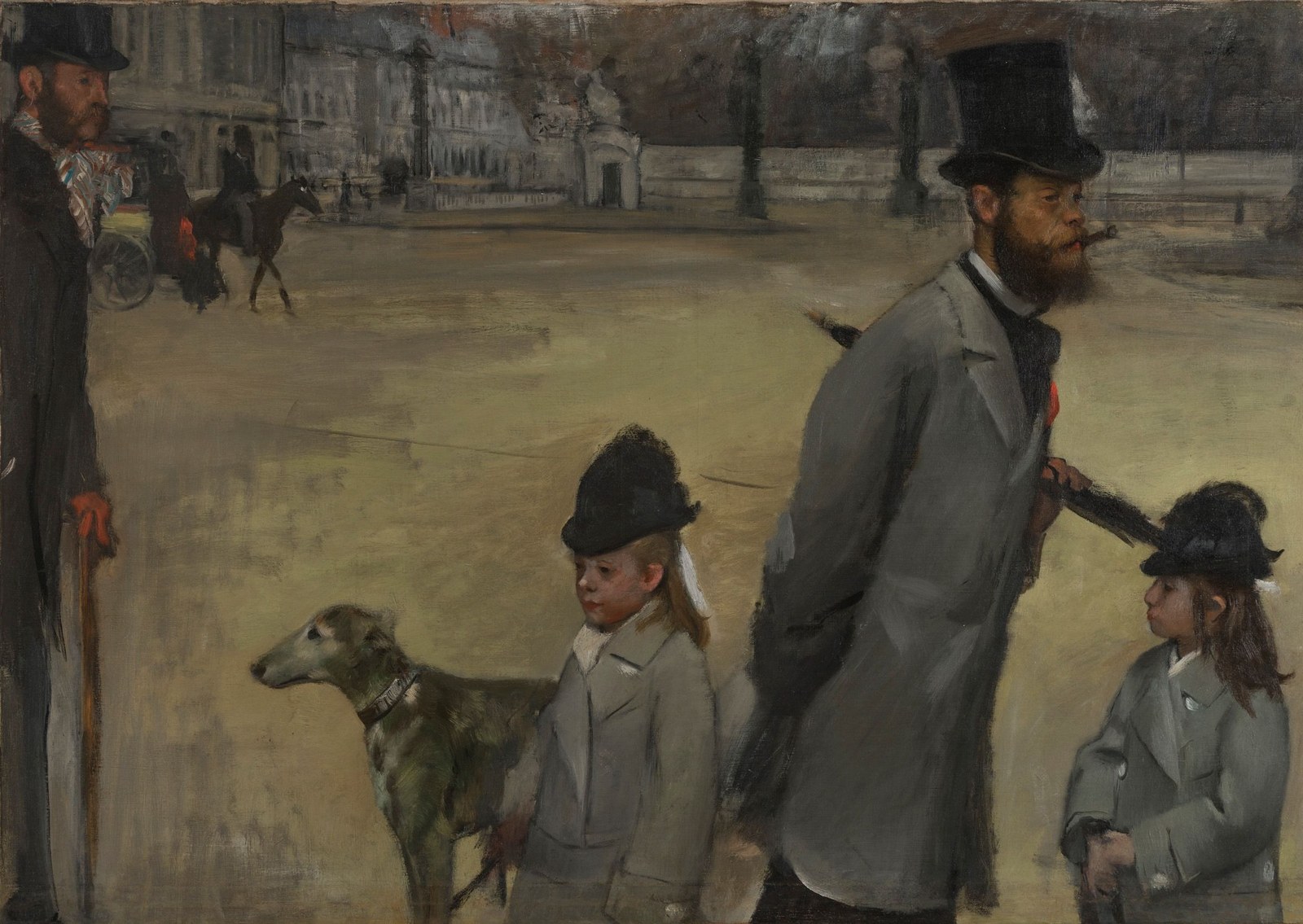
Plac Zgody — Edgar Degas

Plac Zgody

Edgar Degas

“Place de la Concorde” was painted in 1875. It shows a friend of [[artist:2072|Edgar Degas]], Viscount Ludovic Lepic, a painter and engraver, with his two daughters and their dog. They are crossing the largest square in Paris, and Degas painted them as if he had seen them by cha…

Przeczytaj historię →
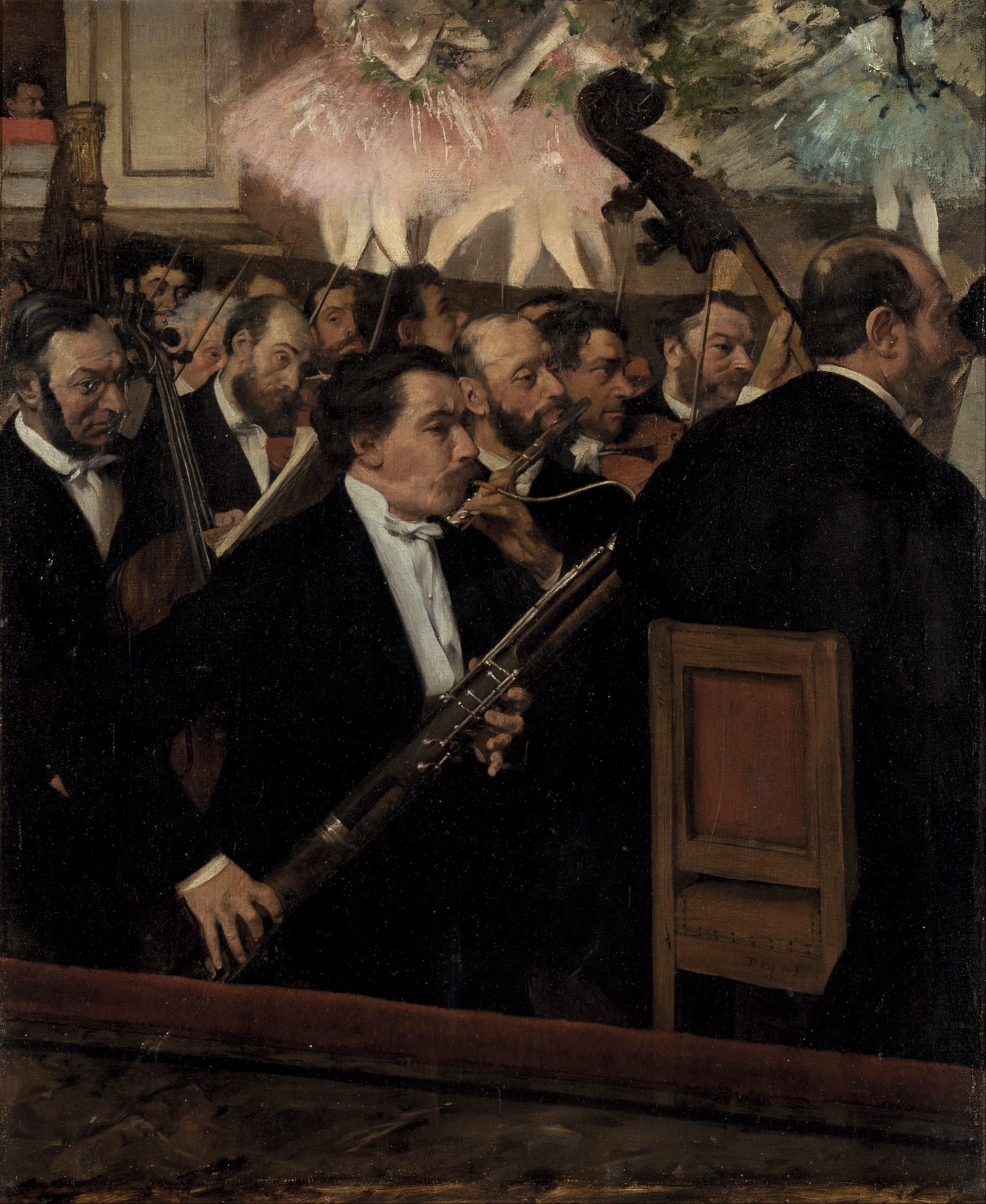
Orkiestra Opery — Edgar Degas

Orkiestra Opery

Edgar Degas

“The Orchestra at the Opera” was painted around 1870. Its main figure is a friend of [[artist:2072|Edgar Degas]], the bassoonist Désiré Dihau, who played in the orchestra of the Paris Opera. Degas painted him in the centre, with his bassoon in his hands, and around him other mus…

Przeczytaj historię →
Absynt — Edgar Degas

Absynt

Edgar Degas

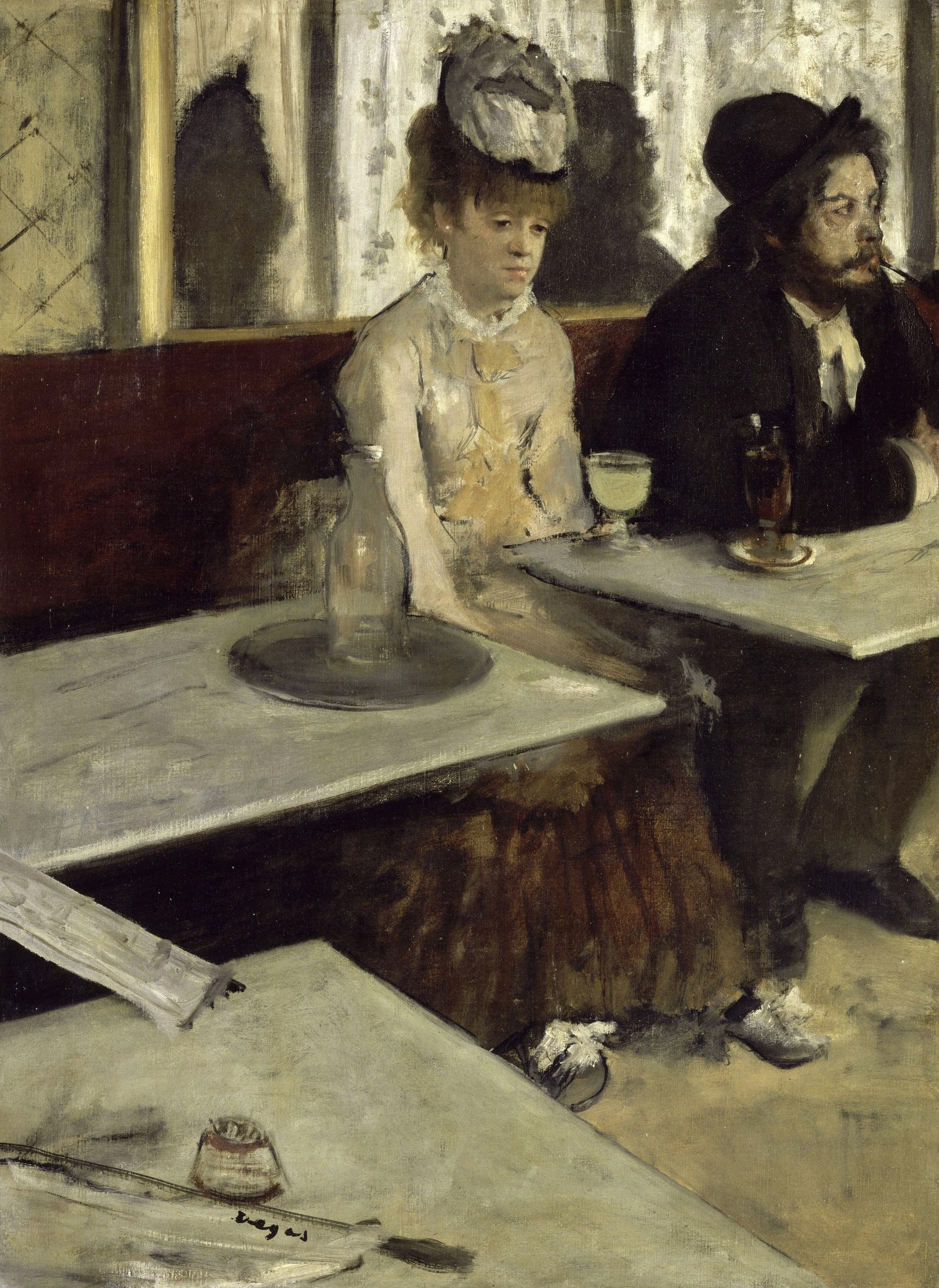
“The Absinthe Drinker (L'Absinthe)” was painted in 1875–1876. [[artist:2072|Edgar Degas]] asked two friends to pose in the café La Nouvelle Athènes in Paris, where artists gathered: the actress Ellen Andrée and the engraver Marcellin Desboutin. In “The Absinthe Drinker (L'Absin…

Przeczytaj historię →
Dwie siostry — Auguste Renoir

Dwie siostry

Auguste Renoir

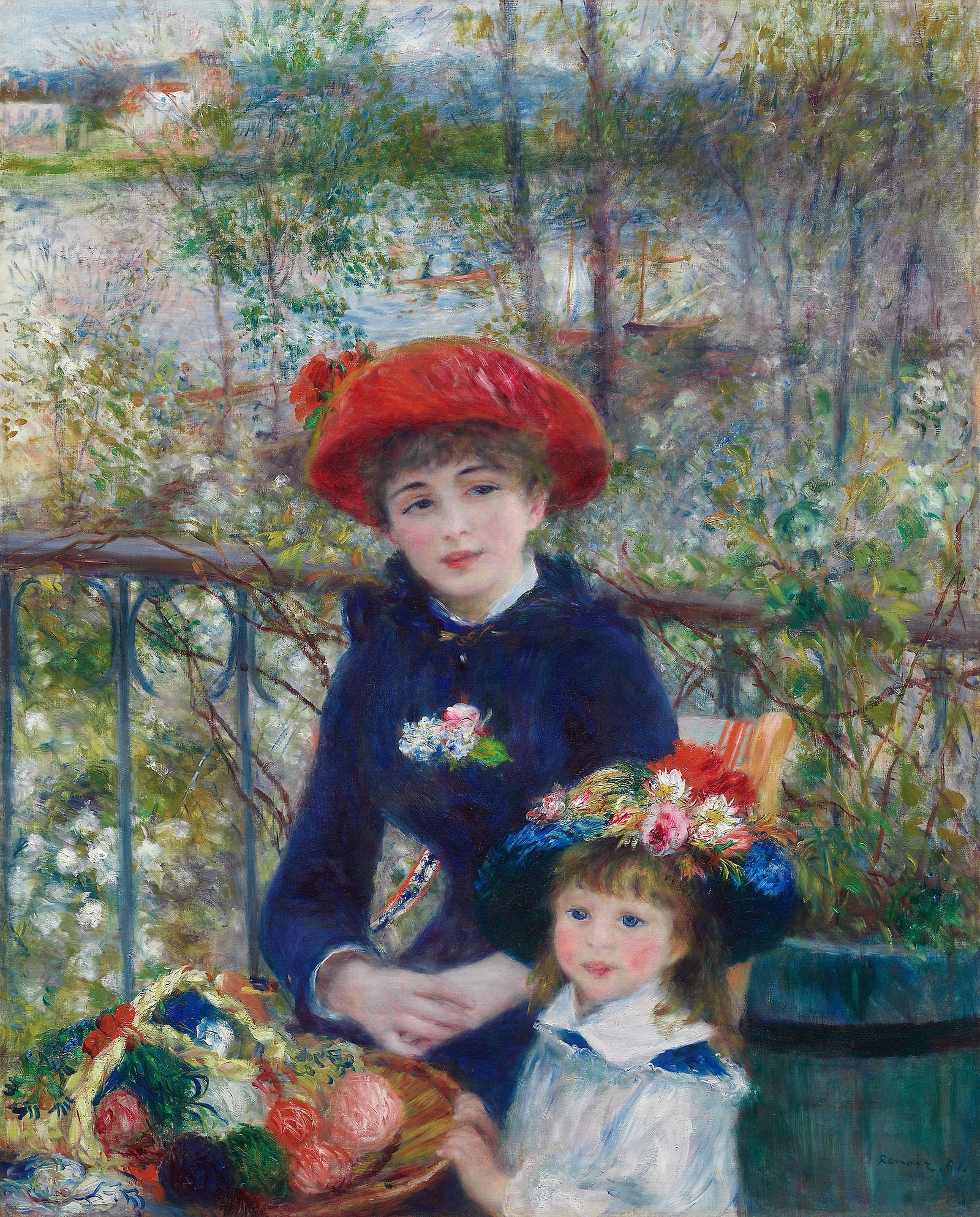
„Dwie siostry” to obraz pełen wiosny. Młoda kobieta siedzi na tarasie nad rzeką, a przed nią mała dziewczynka w czerwonym kapeluszu. Wokół kwitną kwiaty, za balustradą widać zieleń, a w oddali lśni woda. Młoda kobieta ma na sobie granatową suknię i kapelusz ozdobiony jaskrawymi …

Przeczytaj historię →
Parasolki — Auguste Renoir

Parasolki

Auguste Renoir

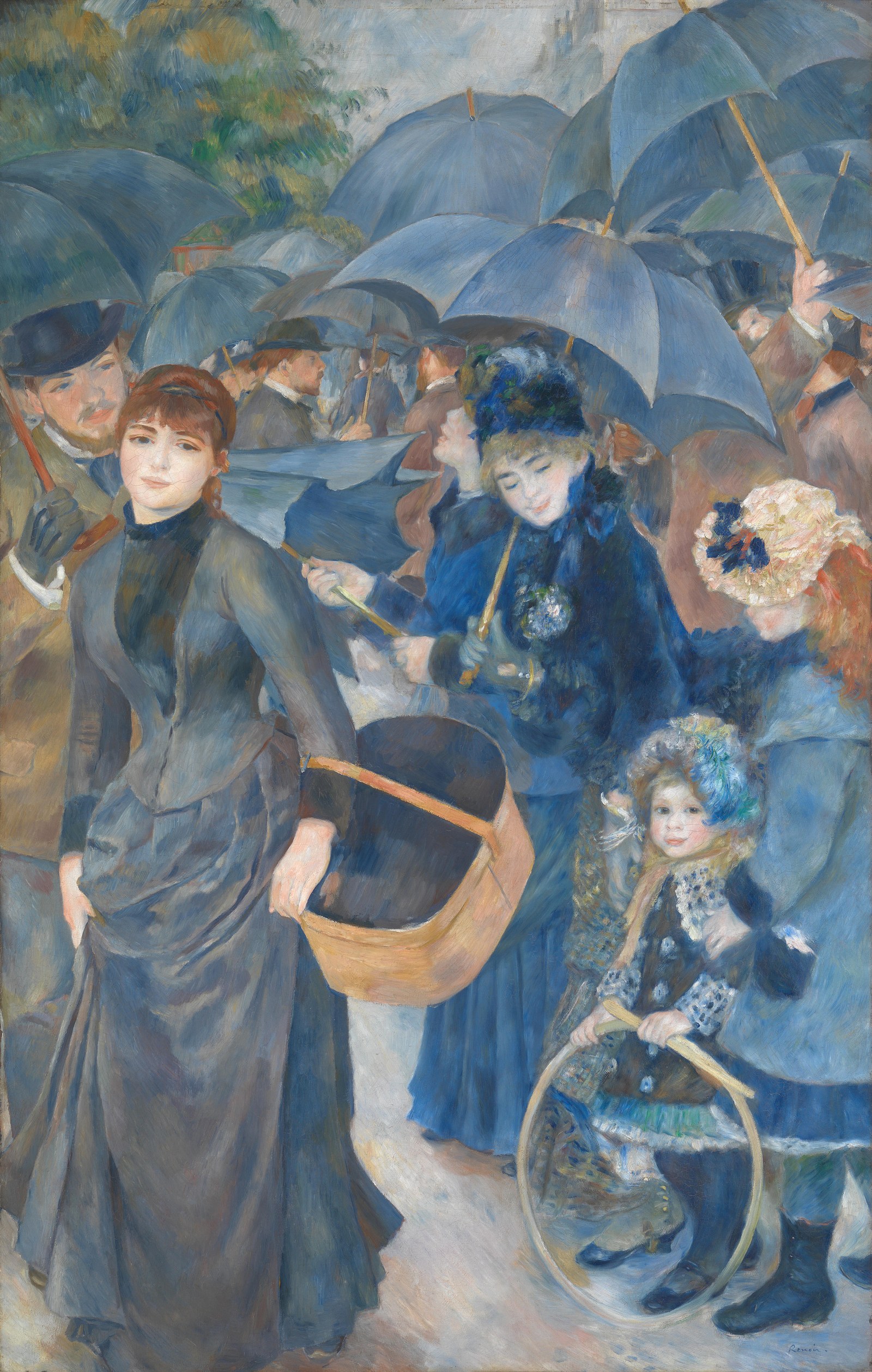
„Parasolki” to obraz z tajemnicą widoczną gołym okiem. Paryska ulica, nagła ulewa. Nad głowami ludzi rozkwitają ciemne parasole i niemal zasłaniają niebo. Po prawej matka i dwie dziewczynki z obręczą zatrzymują się na chwilę. Po lewej młoda kobieta z koszem idzie bez parasola i …

Przeczytaj historię →
La Grenouillère — Auguste Renoir

La Grenouillère

Auguste Renoir

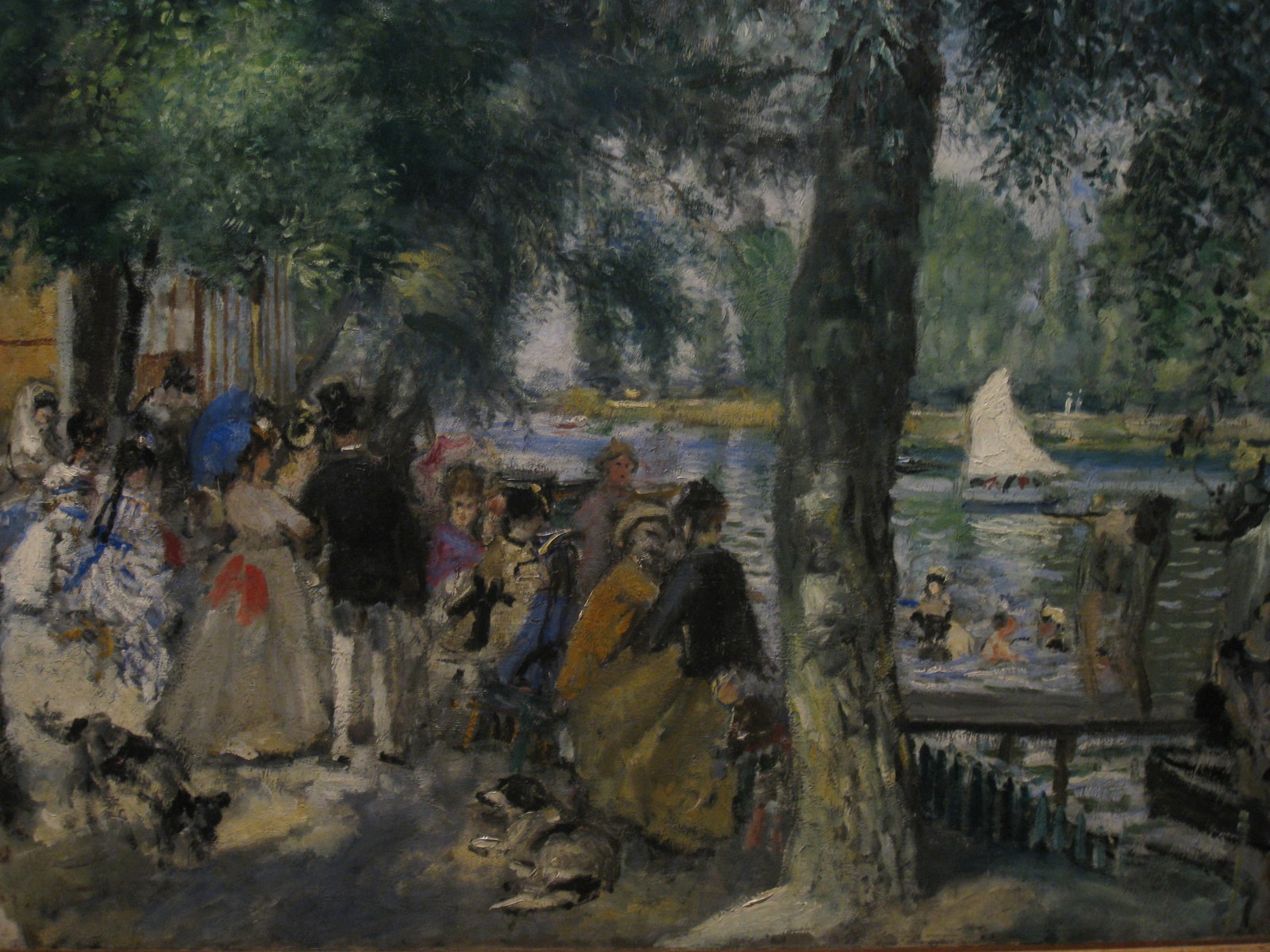
„La Grenouillère” to miejsce, w którym narodził się impresjonizm. Było to gwarne kąpielisko i przystań łodzi nad Sekwaną, niedaleko Paryża. Była tam pływająca kawiarnia, drewniane pomosty i mała okrągła wysepka z jednym drzewem, którą paryżanie żartobliwie nazywali „Camembertem”…

Przeczytaj historię →